Views: 0 Author: Site Editor Publish Time: 2026-01-23 Origin: Site
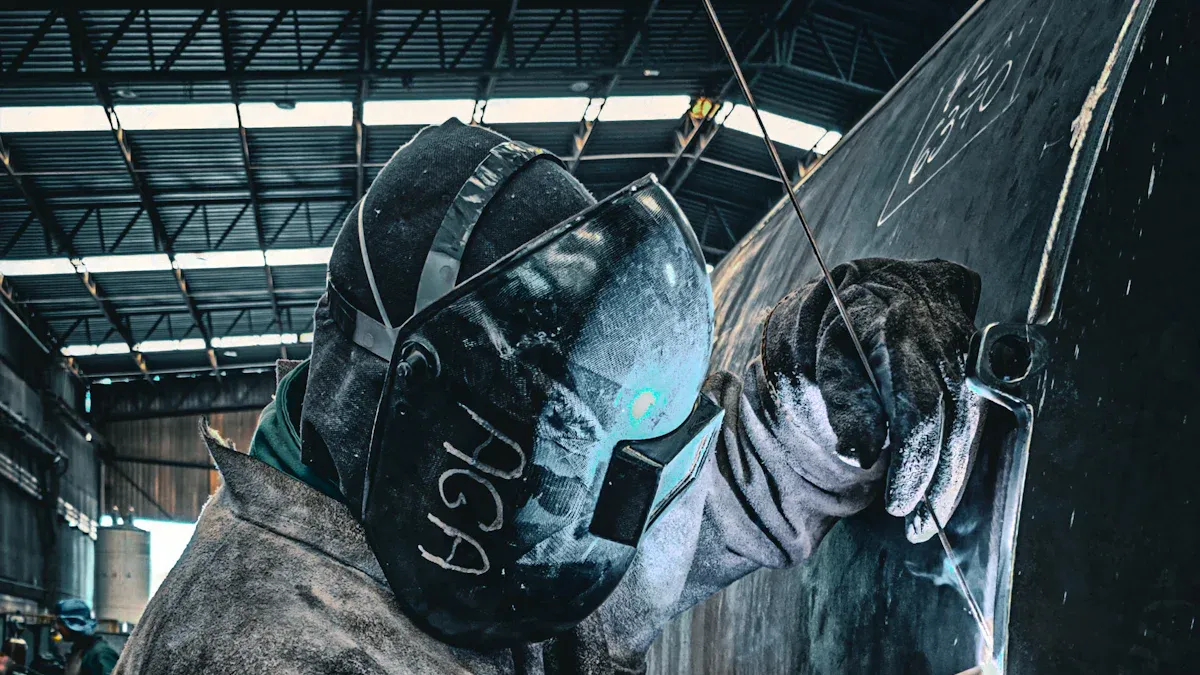
The fundamental principles of Friction Stir Welding (FSW) represent a paradigm shift in metallurgical joining. Centered on the sophisticated synergy of frictional heat generation, mechanical plasticization, and precise kinetic tool control, FSW achieves high-integrity bonds through a solid-state process. By maintaining the material's temperature below its liquidus point, this method facilitates dynamic recrystallization and atomic diffusion, effectively forging a homogeneous bond that is free from the typical drawbacks of fusion.
Unlike traditional fusion welding methods such as MIG (Metal Inert Gas) or TIG (Tungsten Inert Gas), FSW operates without the risks of gas porosity, solidification cracking, or excessive thermomechanical distortion. The result is a defect-free joint that consistently retains superior mechanical properties, often rivaling or exceeding those of the parent material.
As global manufacturing accelerates toward high-performance, lightweight architectures, the commercial footprint of FSW is expanding at an unprecedented rate.
Sector Valuation: The global automotive market for Friction Stir Welding is projected to reach a significant milestone of USD 1.42 billion in 2024.
Strategic Growth: Driven by the aggressive transition to Electric Vehicles (EVs) and the necessity for leak-proof battery enclosures and high-strength chassis components, the market is forecasted to maintain a robust CAGR of 8.5% through 2033.
At the forefront of this industrial evolution, manufacturers are instrumental in translating theoretical FSW principles into scalable, high-efficiency production standards. As an industrial friction stir welding equipment manufacturer, Zhihui Welding focuses on optimizing tool geometry and digitalizing process parameters to support high-reliability production in New Energy Vehicle (NEV) assembly lines. Their commitment to innovation ensures that FSW remains the gold standard for manufacturers seeking to balance structural integrity with sustainable, eco-friendly manufacturing.
Friction stir welding (FSW) uses frictional heat to join materials without melting them, resulting in strong, defect-free welds.
This process minimizes distortion and residual stresses, making it ideal for lightweight alloys used in electric vehicles.
FSW enhances mechanical properties, providing superior strength and fatigue resistance compared to traditional welding methods.
Automated FSW systems ensure consistent quality and efficiency, reducing human error in high-volume production.
Understanding FSW principles helps engineers select optimal welding solutions for advanced manufacturing applications.
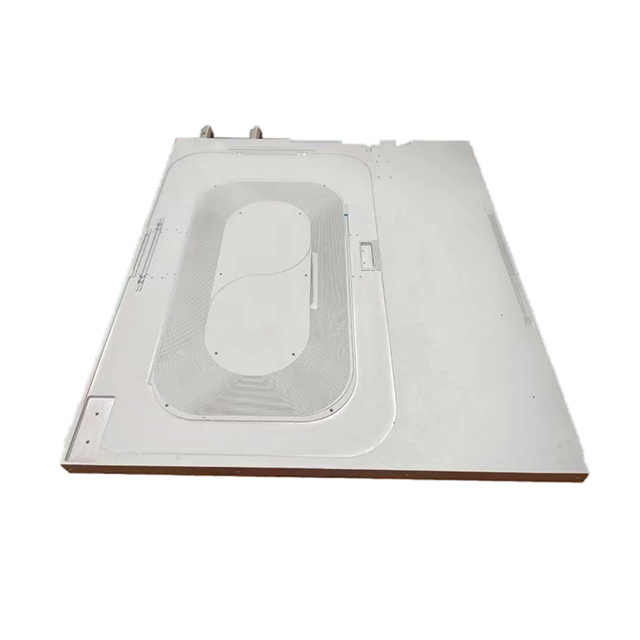
The technology supports the production of critical components like battery trays and cooling plates, essential for electric vehicles.
Friction stir welding is environmentally friendly, consuming less energy and producing fewer emissions than fusion welding.
Investing in advanced FSW equipment can lead to long-term benefits, including improved weld quality and reduced defect rates.
Friction stir welding is a solid-state joining technique that uses a non-consumable rotating tool to bond materials. The welding process does not rely on melting the base metals. Instead, it leverages frictional heat to soften the material at the joint interface. This approach sets friction stir welding apart from conventional fusion welding methods, which typically involve melting and solidification. The result is a strong, homogeneous bond with minimal defects and superior mechanical properties.
The welding process begins with the placement of the materials to be joined. The rotating tool, designed with a specific geometry, plunges into the joint line. The tool generates localized heat through friction, causing the material to reach a plasticized state without reaching its melting point. This characteristic makes friction stir welding ideal for joining lightweight alloys, such as aluminum, which are commonly used in electric vehicle manufacturing.
The core mechanism of friction stir welding involves several precise steps. The process starts when the rotating tool contacts the workpiece surface. As the tool rotates and advances along the joint, frictional heat is produced. This heat softens the material, allowing the tool to stir and mix the plasticized region. The tool's shoulder and pin create additional interface surfaces, which are then consolidated under pressure and elevated temperature. The result is a solid-state weld with refined microstructure and enhanced strength.
This welding process eliminates the risk of solidification cracks and reduces residual stresses. The absence of melting ensures that the joint maintains the original properties of the base material. The process also allows for excellent control over weld quality, making it suitable for automated production lines.
Friction stir welding has become essential in electric vehicle manufacturing. The technique is widely used for assembling battery enclosures, producing motor housings with integrated cooling channels, and joining hybrid structures that combine die-cast and extruded components. The table below highlights common applications in the EV sector:
| Application Type | Description |
|---|---|
| Battery Enclosures | FSW is used to assemble large battery enclosures, ensuring they are leak-proof and structurally sound. |
| Motor Housings | Complex motor designs often require housings with internal cooling channels, which are best produced using FSW. |
| Hybrid Structures | FSW enables the joining of different manufacturing processes, such as die-casting and extrusion, to optimize strength and cost. |
Friction stir welding continues to transform the welding process landscape, offering manufacturers a reliable and efficient solution for advanced applications.
Friction stir welding principles rely on a solid-state joining technique. This method does not melt the base materials. The rotating tool generates heat through friction, which softens the material at the joint. The absence of melting prevents solidification cracks and reduces residual stresses. This approach is especially valuable for lightweight alloys used in electric vehicle manufacturing. The process maintains the original properties of the base metals, resulting in robust and reliable welds.
FSW is recognized for its low distortion and residual stresses.
It is environmentally friendly and offers excellent joint performance.
Significant weight savings can be achieved in aerospace applications.
The solid-state joining technique creates a homogeneous bond between the materials. The tool stirs and forges the softened material, ensuring thorough mixing at the joint interface. This action produces a weld with uniform microstructure and enhanced mechanical properties. The result is a strong, defect-free connection that meets the demanding requirements of EV battery trays and die-cast components.
| Joint Type | Yield Strength (MPa) | Tensile Strength | Elongation (%) |
|---|---|---|---|
| DS-FSW | 228 | Higher than SS-FSW | 4.43 |
| SS-FSW | 174 | Lower than DS-FSW | 4.87 |
Friction stir welding principles ensure that the joint area achieves superior strength and durability compared to conventional welding methods.
Friction stir welding principles depend on the interaction between the tool and the material. The rotating tool presses against the workpiece, generating frictional heat at the joint. This heat softens the material without reaching its melting point. The process allows precise control over the temperature, which is critical for joining sensitive alloys in EV manufacturing. Zhihui Welding's specialized tool heads optimize this interaction, delivering consistent results across various applications.
FSW reduces defects compared to conventional fusion welding.
It enhances mechanical properties and microstructural characteristics of aluminum alloys.
Controlled temperature is a key aspect of friction stir welding principles. The process maintains the temperature below the melting point, which preserves the integrity of the base materials. This control minimizes distortion and ensures a stable welding environment. Manufacturers can adjust tool speed and pressure to achieve the desired heat input, making the process adaptable for different materials and thicknesses.
Material plasticization and flow are central to friction stir welding principles. The frictional heat softens the material at the joint, allowing it to enter a plasticized state. The tool stirs the softened material, promoting thorough mixing and eliminating voids. Experimental studies show that tool profiles, welding speed, and rotational speed affect plasticization and flow patterns. Square tool profiles enhance stirring action, leading to improved material agitation and distribution of reinforcement particles.
The study investigates the effects of tool profiles, welding speed, and rotational speed on material plasticization and flow patterns during FSW of AA6061-B4C composites.
Different tool profiles lead to varying fracture behaviors, with square tools showing significant plastic deformation and ductile failure modes.
The square tool profile enhances stirring action, resulting in improved material agitation and distribution of B4C particles, leading to stronger joints.
Seam formation is the final outcome of effective material plasticization and flow. The stirred and mixed material consolidates under the tool's pressure, forming a continuous and defect-free seam. Welding speed and rotational speed play crucial roles in seam quality. Optimal speeds improve plasticization and material flow, while excessive speeds can cause defects. An intermediate welding speed ensures proper heat distribution and mixing, resulting in high-quality welds for EV battery packs and cooling plates.
Friction stir welding principles provide manufacturers with the ability to produce strong, reliable, and homogeneous joints, meeting the rigorous standards of modern EV production.
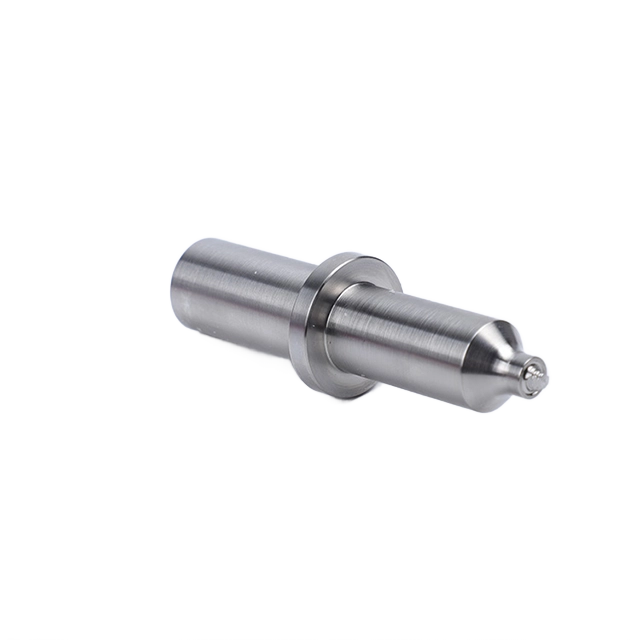
Tool geometry plays a pivotal role in friction stir welding. The shape and features of the tool directly influence how the material flows and consolidates during the welding process. Engineers design the tool with a shoulder and a pin, each with specific profiles to optimize performance. The shoulder generates heat and contains the plasticized material, while the pin stirs and mixes the joint area.
Tool shoulder and pin geometry are crucial for high-quality welds, especially in carbon steel and aluminum alloys.
Tri-flute pin and conical pin profiles enhance material flow and reduce defects.
Modified tri-flute pin designs can reduce displaced volume in the weld zone, improving efficiency.
Finite element analysis recommends conical pin profiles for better material flow and velocity distribution.
Research on tool geometry optimization for steels is less extensive than for other materials, but studies show that specific designs significantly improve weld integrity.
Zhihui Welding offers custom superalloy tool heads tailored for different EV applications. These specialized designs ensure optimal heat generation and material mixing, which are essential for producing robust battery trays and die-cast components.
The design of the tool directly affects weld quality. Proper geometry ensures consistent material flow, minimizes defects, and enhances the mechanical properties of the joint. A well-designed tool reduces the risk of voids, cracks, and incomplete fusion. Engineers select tool materials that withstand high temperatures and repeated use, maintaining performance over long production runs.
Rotational speed refers to how fast the tool spins during friction stir welding. This parameter influences the amount of frictional heat generated and the degree of material plasticization. Higher rotational speeds increase heat input, which can improve tensile strength and elongation up to a certain limit. However, excessive speed may cause overheating and degrade weld quality.
Traverse rate describes how quickly the tool moves along the joint line. Pressure refers to the force applied by the tool during welding. Both parameters must be carefully controlled to achieve optimal results. If the traverse rate is too high, cracks may form due to insufficient heat and mixing. If the rate is too low, excessive heat can lead to distortion. Pressure must be sufficient to consolidate the plasticized material without causing excessive wear on the tool.
The table below summarizes optimal process parameters for friction stir welding in electric vehicle component production:
| Parameter | Optimal Value | Effect on Weld Quality |
|---|---|---|
| Tool Rotational Speed | 600 rpm | Increases tensile strength and elongation up to a limit. |
| Welding Speed | 125 mm/min | Affects crack formation; too high speeds lead to cracks. |
| Tilt Angle | 3 degrees | Optimal for minimizing crack propagation energy. |
Zhihui Welding's advanced machines allow precise adjustment of these parameters, ensuring consistent weld quality across different EV components. Automated systems monitor and control speed, pressure, and tool alignment, reducing human error and improving production efficiency.
Tip: Consistent process parameters are essential for producing defect-free welds in battery packs and cooling plates. Automated monitoring helps maintain optimal conditions throughout the welding cycle.
The stir zone, also known as the nugget, forms directly beneath the rotating tool during friction stir welding. The intense frictional heat and mechanical stirring cause the material in this region to plasticize and flow. The tool's pin and shoulder mix the softened material, creating a highly deformed and dynamically recrystallized area. This process results in a distinct region at the center of the weld, where the original grain structure is completely transformed.
Grain size in the stir zone typically remains within the range of 4–5 µm, even when welding speed changes.
The nugget often displays onion-ring patterns, which indicate a refined and layered microstructure.
Grain size is not uniform throughout the nugget, leading to subtle variations in mechanical response.
The average grain size is about 5 μm, with a moderate density of dislocations.
Nanometric precipitates are present, mostly located inside the grains.
These features contribute to the unique properties of the stir zone, setting it apart from other weld regions.
The stir zone plays a critical role in determining the overall strength and integrity of the weld. The fine, recrystallized grains enhance mechanical properties such as tensile strength and ductility. The presence of nanometric precipitates within the grains further improves the joint's resistance to deformation. A well-formed nugget ensures a homogeneous and defect-free weld, which is essential for demanding applications like EV battery trays and structural components.
The TMAZ surrounds the stir zone and experiences both elevated temperatures and mechanical deformation. However, the material here does not undergo full recrystallization. The tool's movement causes the grains to elongate and rotate, altering their orientation and texture. This region marks the transition between the highly mixed nugget and the less affected base material.
The TMAZ exhibits a complex microstructure. In some alloys, this zone shows lower hardness than the base material due to precipitation coarsening. The microstructure evolves with new shear components and changes in the original texture. In magnesium alloys, the TMAZ contains nanoscale particles and twin boundaries, which block dislocation movement. These features enhance work hardening and ductility, balancing strength and toughness through multiple mechanisms.
The TMAZ significantly influences the mechanical performance of the welded joint. While it may have lower hardness in certain alloys, the introduction of nanoscale particles and twin boundaries can improve ductility and resistance to fracture. The balance between strength and toughness in this zone is vital for ensuring reliable welds in automotive and EV applications.
The HAZ lies adjacent to the TMAZ and is exposed to the thermal cycles of welding without direct mechanical deformation. The heat alters the microstructure of this region, causing changes in grain size and characteristics compared to the parent material. The HAZ often transitions gradually from the weld interface to the unaffected base metal, forming a continuous gradient rather than a sharp boundary.
The HAZ displays several sub-zones, each with unique microstructural properties. Grain boundary character distribution changes, with a notable increase in thin precipitate-free zone (PFZ) boundaries. This results in a smaller average radius of gyration for wide-PFZ clusters. The microstructure in the HAZ is distinct from both the nugget and the parent material, reflecting the influence of thermal exposure.
The properties of the HAZ can affect the overall performance of the welded joint. Changes in grain structure and boundary characteristics may influence hardness, corrosion resistance, and fatigue life. A well-controlled HAZ helps maintain the desired mechanical properties and ensures the long-term reliability of friction stir welded components.
The parent material refers to the original base metal before friction stir welding begins. This region remains outside the direct influence of the welding tool and thermal cycle. During the welding process, the parent material serves as the foundation for the joint. The tool interacts with the edge of the parent material, initiating changes only at the interface. The bulk of the parent material retains its initial microstructure, grain orientation, and mechanical properties. The transition from parent material to the heat-affected zone marks the boundary where thermal effects start to alter the microstructure.
The microstructure of the parent material plays a critical role in determining the outcome of friction stir welding. Grain size, phase distribution, and the presence of precipitates or inclusions define the initial mechanical properties. These features influence how the material responds to the heat and mechanical stirring generated by the welding tool. The interaction at the joint interface can lead to localized microstructural evolution, especially near the boundary with the stir zone.
Grain size variation in the parent material affects the mechanical properties of the final weld.
The tool's interaction with the parent material initiates microstructural changes that impact tensile strength and overall weld integrity.
The formation of interface structures and intermetallic compounds depends on the parent material's microstructure, influencing joint strength and fracture behavior.
Materials with uniform grain size and minimal impurities tend to produce welds with superior strength and durability. In contrast, heterogeneous microstructures may result in uneven grain growth or the formation of brittle phases at the weld interface.
The characteristics of the parent material directly affect the quality and performance of the friction stir weld. Consistent grain structure and controlled composition help ensure predictable weld behavior. The parent material's response to thermal and mechanical inputs determines the extent of grain refinement and the formation of strong interface bonds. Welds produced from high-quality parent materials exhibit enhanced tensile properties, improved fatigue resistance, and reduced risk of fracture.
Note: Selecting parent materials with optimized microstructure is essential for achieving robust and reliable welds in electric vehicle manufacturing. Manufacturers often perform material characterization before welding to ensure compatibility and maximize joint performance.
The parent material serves as the baseline for all subsequent microstructural transformations during friction stir welding. Its properties set the stage for the formation of defect-free, high-strength joints that meet the demanding requirements of modern automotive and industrial applications.
The principles behind friction stir welding are essential for producing strong, defect-free welds. This process relies on solid-state joining, which prevents melting and reduces the risk of common welding defects such as porosity, cracks, and incomplete fusion. The controlled frictional heat and precise tool movement ensure that the material is plasticized and mixed thoroughly, resulting in a homogeneous bond. Manufacturers consistently achieve high joint efficiency and surface quality by optimizing these principles.
| Technique | Joint Efficiency | Defects Observed |
|---|---|---|
| Single-side FSW | 69% | Root defect present |
| Double-side FSW | 81% | Root defect removed |
| Stationary shoulder FSW | Above conventional | Better surface quality |
| Conventional FSW | Below stationary | Internal defects present |
| FSW with high rotational speed | 91% | No voids or cracks found |
Welds produced using advanced FSW techniques, such as double-side and stationary shoulder methods, demonstrate higher joint efficiencies and fewer defects compared to conventional approaches. The absence of voids and cracks in high-speed FSW further highlights the reliability of this process.
Double-side FSW achieves higher joint efficiency than single-side FSW.
Stationary shoulder FSW improves surface quality and eliminates internal defects.
High rotational speed FSW reaches up to 91% joint efficiency with no microscopic defects.
Friction stir welding produces joints that are stronger and more homogeneous than those created by fusion welding. The process does not melt the material, which helps prevent defects commonly seen in fusion methods. This advantage is especially important for aluminum alloys, such as Al-Cu and Al-Zn-Mg, which are difficult to weld using traditional techniques. The mechanical properties of friction stir welded joints depend on precise control of welding parameters, including rotational speed, which can significantly enhance tensile strength.
Friction stir welding avoids melting, reducing the risk of defects.
Joints in aluminum alloys show higher strength compared to fusion welding.
Rotational speed adjustment improves tensile properties.
Automotive components require welds that resist fatigue and corrosion over time. Research demonstrates that friction stir welded areas exhibit stronger corrosion resistance than base materials. Fatigue crack propagation resistance also improves, especially in corrosive environments. The addition of ethylene glycol during testing delayed crack propagation, increasing the service life of welded joints.
| Key Findings | Description |
|---|---|
| Corrosion Resistance | Weld area specimens showed stronger corrosion resistance than base materials |
| Weight Loss Comparison | Lower weight loss in saltwater for FSW joints |
| SEM Analysis | Base metal AA8011 displayed significant corrosion, highlighting FSW's benefit |
| Key Findings | Description |
|---|---|
| Fatigue Propagation | Improved fatigue crack resistance in corrosive environments |
| Corrosion Impact | Uniform and pitting corrosion did not significantly alter yield strength |
| Ethylene Glycol Effect | Delayed crack propagation, enhancing service life of FSW joints |
Fusion welding often leads to solidification cracks, especially in aluminum alloys. Friction stir welding eliminates this risk by operating below the melting point. The solid-state process ensures that the joint remains free from solidification-related defects, resulting in a more reliable weld.
Thermal distortion and residual stress can compromise weld quality. Friction stir welding minimizes these issues by controlling heat input and avoiding melting. The result is a weld with precise dimensions and low residual stress, which is critical for applications like battery trays and cooling plates in electric vehicles.
Friction stir welding is more energy-efficient than fusion welding processes such as gas metal arc welding (GMAW). Studies show that friction stir welding consumes 42% less energy and produces 31% fewer greenhouse gas emissions for similar tensile strength.
| Welding Process | Energy Consumption | Material Utilization | Greenhouse Gas Emissions |
|---|---|---|---|
| Friction Stir Welding (FSW) | 42% less than GMAW | 10% less | 31% less than GMAW |
| Gas Metal Arc Welding (GMAW) | Baseline | Baseline | Baseline |
Friction stir welding does not require filler materials or shielding gases, reducing both cost and environmental impact. Life cycle assessments confirm that the environmental impact of friction stir welding depends on welding parameters, but overall, the process offers lower energy consumption and minimal emissions, especially when using advanced cooling conditions.
| Cooling Condition | Energy Consumption | Environmental Impact |
|---|---|---|
| Dry | Higher | Moderate |
| Submerged | Moderate | Lower |
| n-MQL | Lowest | Minimal |
The environmental impact index is based on energy and material flows.
Mechanical properties, such as ultimate tensile strength, relate to environmental impact.
Friction stir welding principles deliver superior mechanical performance, reduced defects, and significant energy and environmental benefits, making them ideal for modern manufacturing and electric vehicle production.
Friction stir welding (FSW) stands out as a preferred method for joining lightweight alloys, especially in the context of advanced manufacturing for electric vehicles (EVs). Manufacturers increasingly select aluminum and other lightweight metals to reduce vehicle mass and improve energy efficiency. FSW addresses the unique challenges these materials present during welding.
FSW produces strong, leak-proof joints, which are essential for sealed battery enclosures and cooling system components in EVs.
The process works exceptionally well with aluminum and similar lightweight metals, which are difficult to weld using traditional fusion methods.
FSW enhances joint strength and improves production efficiency, supporting the drive toward environmental sustainability.
The ability to create robust, homogeneous bonds without melting the base material gives FSW a significant advantage. Battery packs, cooling plates, and die-cast structural parts benefit from the process's precision and reliability. FSW minimizes the risk of defects such as porosity or cracking, which often occur in fusion welding. This reliability is critical for components that must remain leak-proof and structurally sound throughout the vehicle's lifespan.
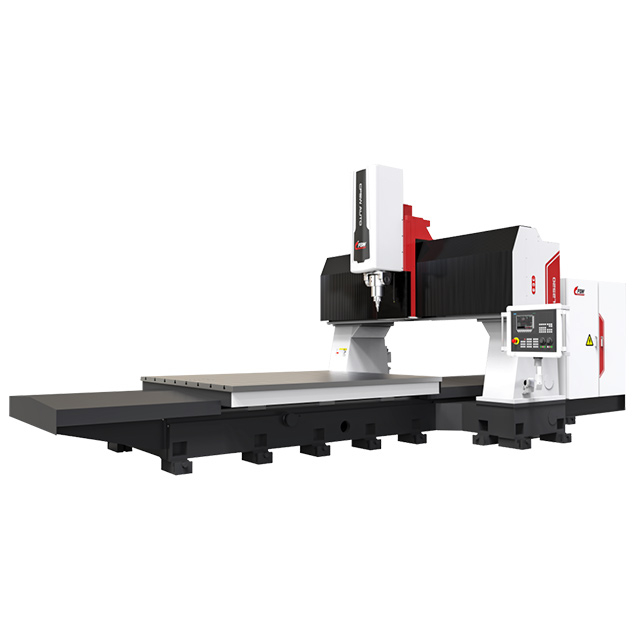
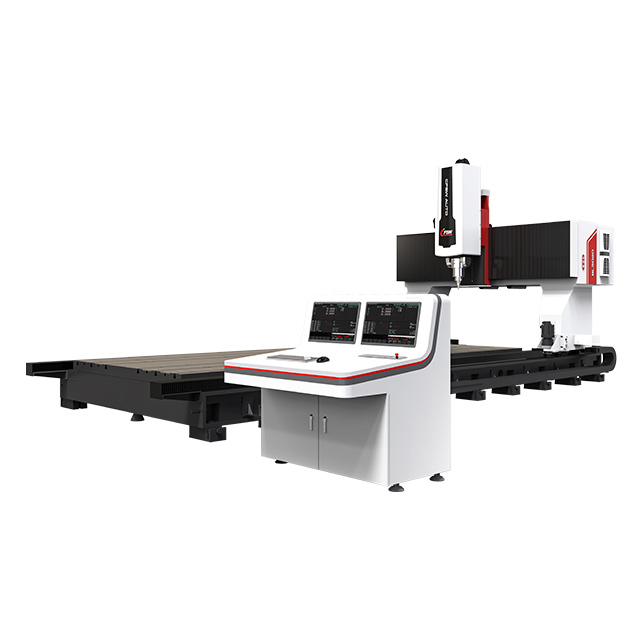
Note: Zhihui Welding's advanced FSW machines, such as the FSW-DM5020 and FSW-BL3020, are specifically engineered to handle large-scale battery trays and long aluminum components, ensuring consistent quality and performance.
Modern manufacturing demands not only high-quality welds but also repeatability and efficiency. FSW meets these requirements through its compatibility with automation and digital control systems. Automated FSW systems maintain precise control over process parameters, such as tool speed, pressure, and alignment. This control ensures that each weld meets strict quality standards, even in high-volume production environments.
Automated FSW lines reduce human error and variability. Manufacturers can achieve uniform weld quality across thousands of components, which is essential for the automotive industry. The process also supports real-time monitoring and adaptive parameter adjustment, allowing for immediate correction if deviations occur.
Automated FSW systems deliver consistent welds, reducing scrap rates and rework.
Digital control enables rapid adaptation to different component designs and material thicknesses.
Integration with robotics, as seen in Zhihui Welding's FSW-R Series, enhances flexibility and safety on the production floor.
FSW's suitability for advanced manufacturing extends beyond EVs. Aerospace, rail, and shipbuilding industries also benefit from its ability to join lightweight alloys with high precision. The process's adaptability and reliability make it a cornerstone of modern, automated production lines.
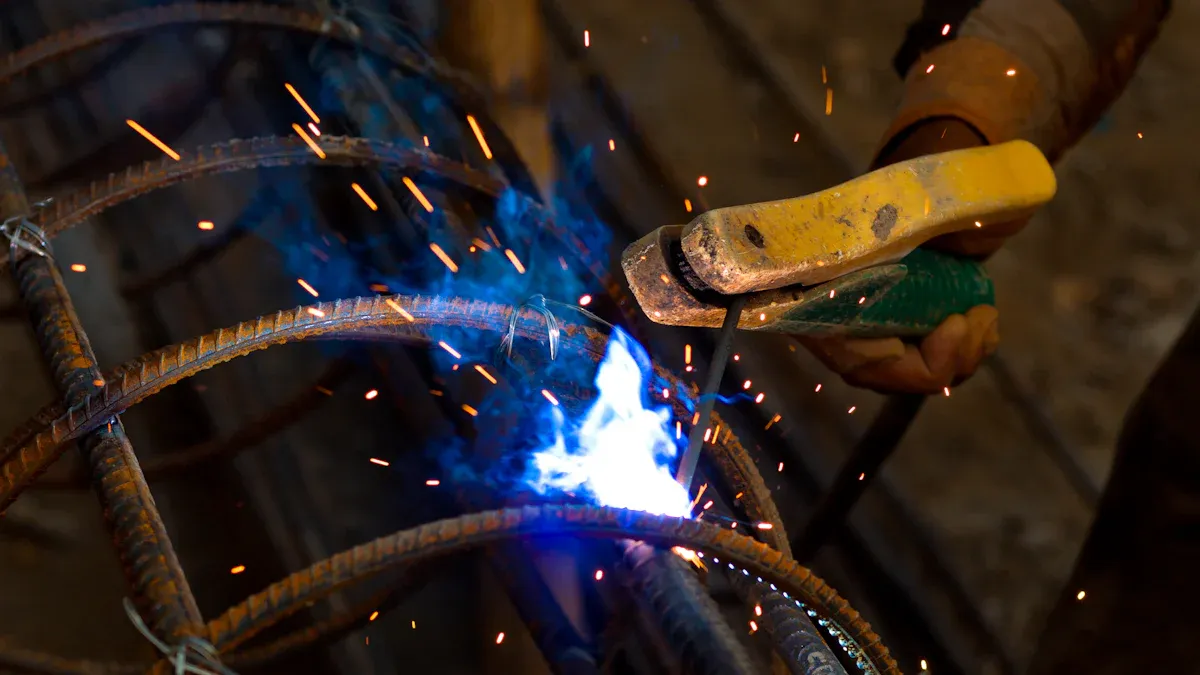
The initial phase of the friction stir welding process focuses on securing the workpieces. Operators clamp the materials firmly to prevent movement during welding. Proper alignment ensures the joint line remains straight and consistent. This step is critical for achieving a uniform weld and avoiding defects. In electric vehicle manufacturing, precise clamping and alignment support the production of battery trays and cooling plates with tight tolerances. Automated systems often use sensors to verify alignment, reducing the risk of human error.
Selecting the correct tool is essential for the process. Engineers consider the material type, thickness, and joint configuration. The tool's geometry, including the shoulder and pin design, influences heat generation and material flow. For aluminum alloys used in EV components, specialized tool heads optimize the welding process. Zhihui Welding offers custom superalloy tool heads tailored for specific applications, ensuring consistent quality and performance.
Once the setup is complete, the welding tool makes initial contact with the material surface. The tool rotates at a predetermined speed, ready to generate frictional heat. This stage marks the beginning of the plunge phase, where the tool starts to penetrate the joint line. Accurate positioning is vital for initiating the process without causing surface damage.
The tool plunges into the material at high speed, reaching the required depth for effective welding. During this step, the tool's shoulder and pin engage the workpiece, creating a localized zone of elevated temperature. The process pauses briefly, allowing the tool to dwell and generate sufficient heat through friction. This dwell period softens the material, preparing it for the next phase.
Tip: Industry standards recommend a controlled plunge and dwell to prevent excessive wear and ensure optimal heat input.
Frictional heat generation is a defining feature of the friction stir welding process. The rotating tool, under controlled pressure, produces heat at the joint interface. This heat softens the material without melting it, which is crucial for maintaining the integrity of lightweight alloys. The amount of heat depends on tool speed, contact pressure, and material properties. Real-time monitoring systems, such as Spatiotemporal Feature Analysis, help maintain the correct temperature and prevent defects.
As the heat builds, the material enters a plasticized state. The softened region allows the tool to stir and mix the joint area effectively. This thermo-mechanical process ensures a strong weld without introducing gas solubility changes or solidification cracks. Adaptive control systems, including reinforcement learning algorithms, adjust parameters in real time to enhance weld quality and prevent defects.
The following ordered list outlines the key steps in the friction stir welding process for electric vehicle manufacturing:
Plunge: The tool is positioned and plunged into the material at high speed.
Dwell: The tool pauses to generate heat through friction, softening the material.
Traverse: The tool moves along the joint, mixing and forging the materials together.
Extraction: The tool is removed, completing the weld.
Each step contributes to weld quality and defect prevention, supporting the production of reliable EV components.
The tool traverse marks a critical phase in friction stir welding. The rotating tool moves steadily along the joint line, guided by precise control systems. This movement ensures that the entire length of the joint receives uniform heat and mechanical action. The tool's shoulder maintains consistent pressure on the surface, while the pin stirs the plasticized material beneath. Consistent traverse speed is essential. Too fast, and the material may not plasticize fully. Too slow, and excessive heat can cause distortion or degrade the material.
In electric vehicle (EV) manufacturing, automated systems like those from Zhihui Welding maintain optimal traverse rates. These systems use sensors and feedback loops to adjust speed in real time. This approach guarantees that each weld meets strict quality standards. The result is a continuous, defect-free seam that supports the structural integrity of battery trays, cooling plates, and die-cast components.
Tip: Consistent traverse speed and pressure are key to avoiding weld defects such as voids or incomplete fusion.
As the tool traverses the joint, it stirs the softened material. The pin's rotation creates intense mixing, blending the materials from both sides of the joint. This action eliminates gaps and voids, ensuring a homogeneous bond. The shoulder helps forge the material, consolidating the stirred region into a solid, continuous seam.
The mixing process refines the grain structure within the weld zone. Fine, equiaxed grains form, which enhance mechanical properties such as strength and fatigue resistance. The bond formation is not just physical but metallurgical. Atoms from each side of the joint inter-diffuse, creating a strong, unified structure.
| Step | Purpose | Result |
|---|---|---|
| Tool Traverse | Moves tool along joint | Uniform heat and mixing |
| Mixing | Stirs and blends plasticized material | Homogeneous, defect-free bond |
| Bond Formation | Consolidates and forges the seam | Strong, continuous weld |
Once the tool reaches the end of the joint, it retracts vertically from the workpiece. This step must occur smoothly to prevent surface defects or abrupt changes in the weld profile. The retraction leaves a small exit hole, which can be minimized with optimized tool design and process control. In high-volume EV production, automated systems ensure consistent tool withdrawal, reducing the risk of end-of-weld defects.
Quality control is the final, crucial step in the friction stir welding process. Inspection methods include visual checks, ultrasonic testing, and X-ray analysis. These techniques detect internal defects such as voids, cracks, or incomplete fusion. Automated inspection systems, like those integrated into Zhihui Welding's production lines, provide real-time feedback. This feedback allows immediate correction of process parameters if deviations occur.
Note: Rigorous inspection ensures that every weld meets the demanding safety and performance standards required for electric vehicle components.
A robust quality control process guarantees that each friction stir weld delivers the strength, durability, and reliability expected in advanced manufacturing environments.

Friction stir welding has become a cornerstone in electric vehicle and automotive manufacturing. Zhihui Welding delivers advanced solutions for these sectors, supporting the production of critical components with high precision and reliability.
Manufacturers rely on friction stir welding to assemble battery packs. This process creates robust, leak-proof joints that withstand thermal cycling and vibration. Aluminum is the preferred material for battery enclosures due to its lightweight and conductive properties. The welding process ensures the integrity of liquid cooling circuits within battery trays, which are essential for maintaining optimal operating temperatures.
Die-cast aluminum components benefit from friction stir welding's ability to join complex shapes without introducing defects. Automotive power electronics enclosures require strong seals to protect high-voltage systems. The process reduces the need for additional sealing methods, improving cost efficiency and performance. Tailor-welded blanks, made by joining aluminum sheets of varying thicknesses and alloys, enable lightweight and durable vehicle structures.
Key EV and automotive applications include:
Battery pack assembly for electric vehicles
Die-cast aluminum component joining
Tailor-welded blanks for lightweight structures
Power electronics enclosures with robust seals
Liquid cooling circuits for battery trays
| Application | Benefit |
|---|---|
| Battery Packs | Leak-proof, strong joints |
| Die-Cast Components | Defect-free, complex shapes |
| Tailor-Welded Blanks | Lightweight, strong vehicle structures |
| Power Electronics Enclosures | Cost-effective, reliable seals |
| Liquid Cooling Circuits | Efficient thermal management |
Friction stir welding extends beyond automotive uses. Aerospace manufacturers employ the process to join aluminum alloys in aircraft fuselages and wings, where strength and weight reduction are critical. Shipbuilding companies use friction stir welding for hull panels and superstructures, taking advantage of its ability to produce long, continuous welds with minimal distortion. These industries benefit from the process's capacity to weld dissimilar alloys, which are often incompatible with conventional welding methods.
While friction stir welding can join dissimilar alloys, its compatibility remains limited compared to some other welding techniques. The process works best with aluminum and certain non-ferrous metals. Joining high-strength steels or materials with vastly different melting points presents challenges. Manufacturers must carefully select materials to ensure successful welds.
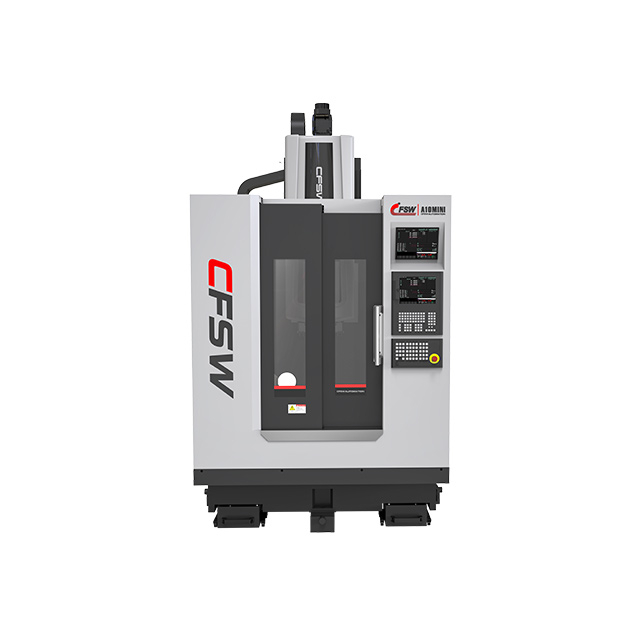
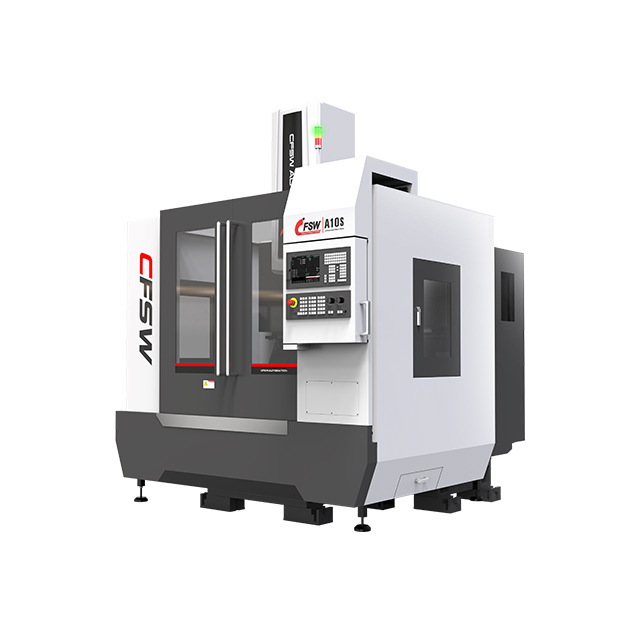
Friction stir welding requires specialized equipment and tooling. The initial investment for machines and custom tool heads can be significant. Zhihui Welding addresses these needs by offering a range of machines tailored for different scales and applications, from compact units for small components to gantry systems for large battery trays. Despite the upfront costs, the long-term benefits include improved weld quality and reduced defect rates.
Note: Manufacturers should evaluate material compatibility and equipment requirements before implementing friction stir welding in new applications.
Recent advancements in friction stir welding tool design have transformed the efficiency and quality of welds. Engineers focus on optimizing the geometry of both the pin and shoulder to improve heat generation and material flow. These innovations directly impact the consistency and strength of the weld.
Tool geometry, especially the shoulder and pin, plays a critical role in generating frictional heat and directing material movement.
Enhanced surface area and specialized features on the tool increase the amount of heat produced, which helps soften the material for welding.
Different pin profiles, such as threaded, tapered, or fluted designs, influence how the material is stirred and blended, resulting in more homogeneous welds.
Properly designed tools minimize common defects, including voids and incomplete penetration, leading to higher weld integrity.
The shoulder creates frictional heat, while the pin blends materials at the joint, ensuring a seamless and strong weld.
Manufacturers like Zhihui Welding utilize these innovations to deliver reliable joints in electric vehicle battery trays and die-cast components.
The selection of tool materials has evolved to meet the demands of modern manufacturing. Advanced alloys and composite materials extend tool life and maintain performance under high temperatures and pressures. Superalloy tool heads, such as those offered by Zhihui Welding, withstand repeated use and resist wear, which is essential for high-volume production.
Adaptive tool materials enable welding of a broader range of alloys, including those with higher strength or unique thermal properties. This flexibility supports the production of lightweight and durable EV components, ensuring consistent weld quality across different applications.
Hybrid friction stir welding processes incorporate pre-heating or post-heating steps to optimize weld quality and efficiency. Pre-heating the material before welding reduces the force required for tool penetration and improves material plasticization. Post-heating can relieve residual stresses and enhance the mechanical properties of the weld.
These enhancements allow manufacturers to tailor the welding process for specific materials, such as high-strength aluminum alloys used in electric vehicles. By controlling the thermal profile, engineers achieve faster welding speeds and improved joint performance.
Modern manufacturing often combines friction stir welding with other joining techniques to leverage their individual strengths. Hybrid processes, such as laser-arc hybrid welding, integrate FSW with fusion methods to increase welding speed and expand application range. This approach is especially valuable in industries like shipbuilding and automotive, where joining thick plates or complex structures is required.
Hybrid welding processes enable manufacturers to optimize both speed and quality. FSW eliminates issues associated with solidification, such as porosity and thermal distortion, while fusion methods provide versatility for different material combinations. In aerospace and automotive sectors, these integrated processes produce lightweight, high-strength components that enhance safety and performance.
Tip: Combining FSW with other joining methods allows engineers to address challenging materials and complex designs, supporting innovation in advanced manufacturing.
Automation has become a cornerstone of modern friction stir welding. Real-time process monitoring uses sensors and digital feedback systems to track key parameters, such as temperature, tool position, and weld quality. These systems detect deviations instantly, allowing operators to maintain optimal conditions throughout the welding cycle.
Automated monitoring improves consistency and reduces the risk of defects. Manufacturers can ensure every weld meets strict quality standards, which is critical for electric vehicle production and other high-volume applications.
Digital control systems now enable automated adjustment of welding parameters during operation. Algorithms analyze sensor data and modify tool speed, pressure, or alignment in real time. This adaptability ensures that the welding process responds to changes in material thickness or joint configuration without manual intervention.
Automated parameter adjustment increases production efficiency and supports the creation of defect-free welds. Manufacturers benefit from reduced scrap rates and improved throughput, making friction stir welding a reliable choice for advanced manufacturing environments.
Friction stir welding (FSW) has evolved to address the challenge of joining dissimilar metals. Traditional fusion welding often struggles with differences in melting points, thermal expansion, and metallurgical compatibility. FSW operates below the melting temperature, which reduces the risk of brittle intermetallic compounds and excessive distortion. This capability is essential for electric vehicle (EV) manufacturing, where engineers frequently combine aluminum with copper or magnesium to optimize weight and conductivity.
The process uses a specially designed tool to stir and forge the interface between two different metals. The tool geometry and process parameters must be carefully selected to promote effective mixing and minimize defects. Advanced FSW machines, such as those from Zhihui Welding, offer precise control over rotational speed, traverse rate, and pressure. These controls enable consistent welds between materials with contrasting properties.
Note: Dissimilar metal welding supports innovative designs in battery packs, cooling plates, and power electronics enclosures. Manufacturers can achieve lightweight structures with enhanced performance.
| Metal Combination | Application Example | Benefit |
|---|---|---|
| Aluminum-Copper | Battery busbars | Improved electrical conductivity |
| Aluminum-Magnesium | Lightweight chassis | Reduced vehicle weight |
| Aluminum-Steel | Structural reinforcements | Enhanced crash resistance |
FSW's ability to join dissimilar metals expands the possibilities for advanced manufacturing. Engineers can select optimal materials for each component, balancing strength, weight, and functionality.
Modern FSW technology now enables welding of high-temperature alloys that were previously considered unweldable. Alloys such as titanium, nickel-based superalloys, and advanced steels present unique challenges due to their hardness and thermal stability. FSW addresses these challenges by using robust tool materials and adaptive process controls.
Zhihui Welding provides custom superalloy tool heads designed to withstand the demands of high-temperature alloy welding. These tools maintain integrity under extreme conditions, ensuring consistent heat generation and material flow. The process parameters, including tool speed and pressure, are optimized for each alloy type.
Titanium alloys are used in aerospace and EV motor housings for their strength-to-weight ratio.
Nickel-based superalloys support high-performance cooling plates and battery trays.
Advanced steels enhance safety and durability in automotive structures.
FSW of high-temperature alloys delivers welds with refined grain structures and minimal defects. The solid-state process preserves the mechanical properties of the base material, which is critical for components exposed to thermal cycling and mechanical stress.
Tip: Selecting the right tool material and process parameters is essential for successful welding of high-temperature alloys. Automated monitoring systems help maintain optimal conditions throughout production.
The expansion of FSW material capabilities supports the development of next-generation EVs, aerospace components, and industrial systems. Manufacturers can now produce complex assemblies with superior strength, reliability, and efficiency.
Recent years have seen remarkable progress in tool and machine design for welding. Manufacturers now focus on modular machine structures that allow rapid changeover and flexible production. Custom tool heads, such as those developed by Zhihui Welding, enable precise control over heat input and material flow. These innovations support the production of complex components, including battery trays and cooling plates for electric vehicles. Superalloy tool heads extend tool life and maintain weld quality, even under demanding conditions. Machine designs now emphasize energy efficiency and sustainability, aligning with industry goals for reduced environmental impact.
Automation has become a defining trend in the welding industry. Robotic friction stir welding systems, like Zhihui Welding's FSW-R Series, deliver consistent, high-quality welds with minimal human intervention. These systems integrate advanced sensors and real-time monitoring to ensure process stability. The adoption of artificial intelligence and Industry 4.0 principles, such as IoT connectivity and predictive maintenance, further enhances operational efficiency.
The following table highlights key trends in automation and robotics for welding:
| Trend Description | Details |
|---|---|
| Automation and AI Integration | Advanced automation and AI-driven solutions improve efficiency and quality. |
| Industry Adoption | Aerospace and automotive sectors lead in adopting robotic welding systems. |
| Growth Rate | The market grows at about 8% annually, driven by technological advances. |
Robotic FSW equipment is expected to grow at a CAGR of 7.5%.
Modular designs and rapid changeover capabilities boost manufacturing efficiency.
Sustainability drives the shift toward energy-efficient machines and eco-friendly materials.
Note: Automation not only increases throughput but also ensures each weld meets strict quality standards, which is critical for safety and performance in automotive and aerospace applications.
The range of materials suitable for welding continues to expand. Modern systems can now join dissimilar metals, such as aluminum to copper or magnesium, supporting innovative designs in electric vehicles and aerospace. High-temperature alloys, including titanium and nickel-based materials, are now weldable thanks to advanced tool materials and adaptive process controls. This expansion allows engineers to select optimal materials for each application, balancing weight, strength, and durability.
Manufacturers will continue to push the boundaries of material compatibility and process control. Future trends point toward even greater integration of digital technologies, real-time data analysis, and adaptive parameter adjustment. These advances will ensure friction stir welding remains at the forefront of modern manufacturing.
Friction stir welding relies on solid-state joining, frictional heat, and precise tool action.
Manufacturers achieve strong, defect-free welds with minimal distortion.
EV production benefits from FSW's reliability and energy efficiency.
Understanding these principles helps engineers select optimal welding solutions.
As friction stir welding adoption expands in electric vehicle manufacturing, equipment capability and process stability become critical factors. Zhihui Welding works with engineering teams to deliver FSW solutions aligned with real-world production requirements.
Friction stir welding joins materials without melting them. The process uses a rotating tool to generate frictional heat, which softens and stirs the material. This method produces stronger, more reliable joints with fewer defects than conventional fusion welding.
Aluminum and its alloys are ideal for friction stir welding. The process also works with magnesium, copper, and some steels. High-strength and dissimilar metals can be joined using advanced tool designs and process controls.
Friction stir welding creates strong, leak-proof joints in battery trays, cooling plates, and die-cast components. The process supports lightweight designs and ensures high reliability, which are essential for electric vehicles.
Tool geometry, including the shape of the shoulder and pin, controls heat generation and material flow. Proper tool design minimizes defects, improves joint strength, and ensures consistent weld quality across different applications.
Yes. Modern friction stir welding systems, such as Zhihui Welding's FSW-R Series, use robotics and digital controls. Automation ensures repeatable, high-quality welds and increases production efficiency.
Zhihui Welding offers advanced machines with precise parameter control, custom tool heads, and automation options. These features deliver consistent, high-quality welds for electric vehicle and industrial applications.
Manufacturers use visual inspection, ultrasonic testing, and X-ray analysis to check for defects. Automated systems provide real-time feedback, ensuring each weld meets strict quality standards.