- All
- Product Name
- Product Keyword
- Product Model
- Product Summary
- Product Description
- Multi Field Search




| Quantity: | |
|---|---|
High defect rates (leakage, porosity) in large-size aluminum battery trays.
Long outsourcing chains increase delivery risks and costs.
Inconsistent welding depth control leads to rework and scrap.
These issues are common in aluminum battery tray welding, especially for large-format EV battery trays.
Flexible Processing Modes: Welding-only (customer-supplied parts) or one-stop turnkey manufacturing.
Thickness Optimization: Covers the common 3–10mm range for EV battery trays.
Defect-Free FSW Process: Stable torque & precision clamping ensure leak-proof results.
Faster Delivery: Reduce supply chain steps with integrated production.
EV Expertise: Proven track record with top EV battery pack suppliers.
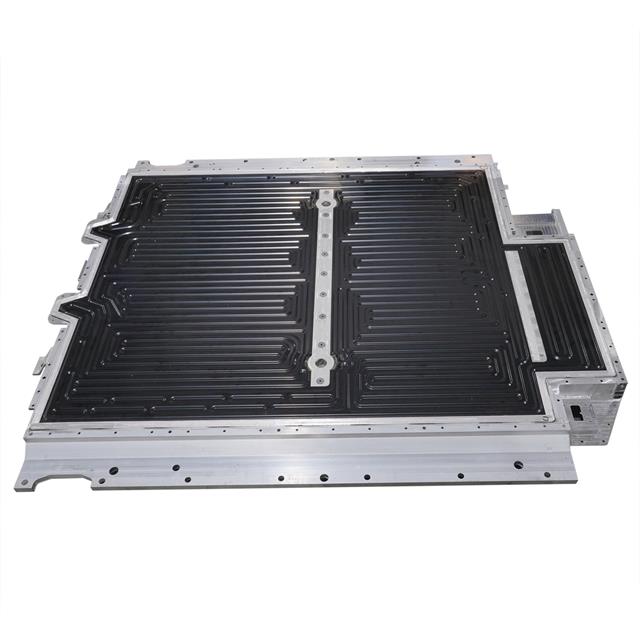
EV Battery Pack Cooling Trays
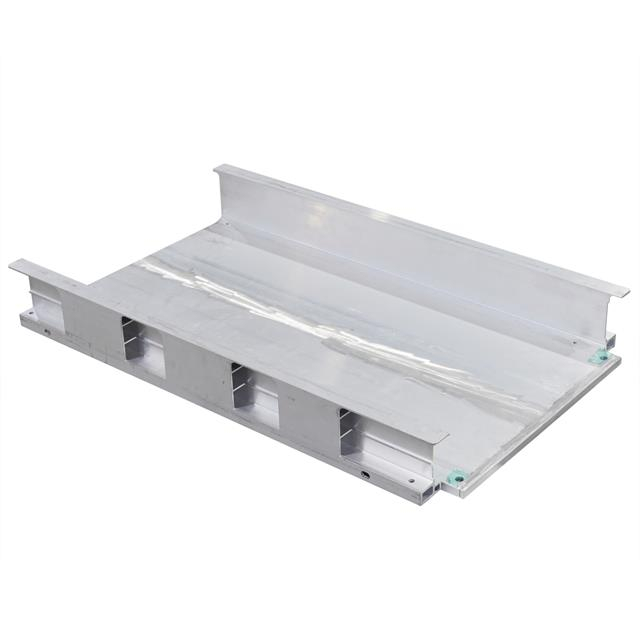
Aluminum EV Battery Trays (FSW Process)
Large-Format EV Battery Base Plates
Welding Depth Capacity: Optimized for 3–10mm aluminum alloys.
Fixture Flexibility: Custom fixturing for large rectangular structures.
Automation Ready: Scalable to robotic integration for mass production.
Data-Driven QC: Real-time monitoring & process traceability.
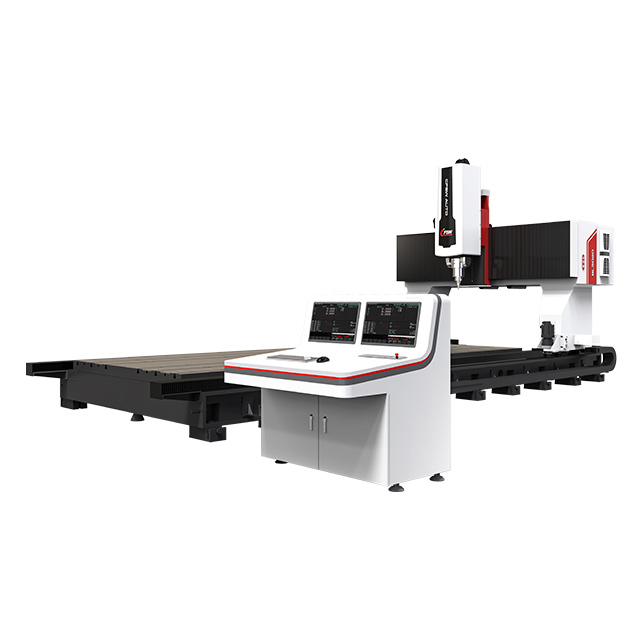
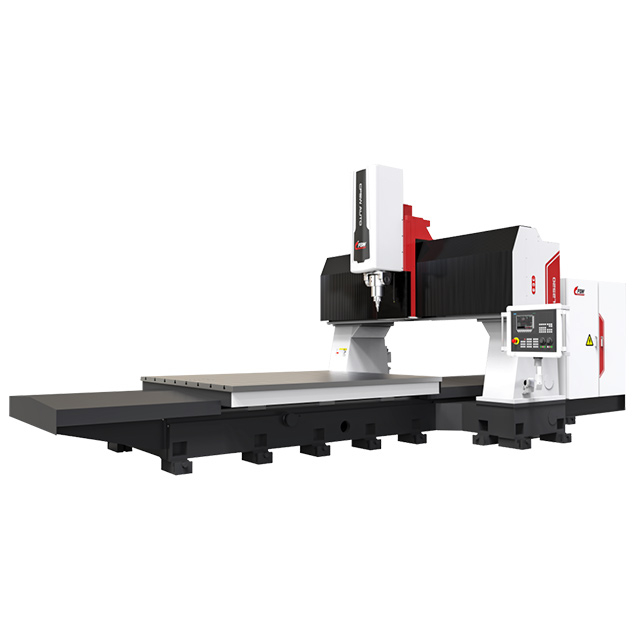
Process Technology: Friction Stir Welding (FSW) for aluminum battery tray structures
Q1: Do you support different EV battery tray designs?
A1: Yes. We process both customer-supplied trays and fully customized battery tray designs, ensuring compatibility with various EV platforms.
Q2: Why is friction stir welding suitable for EV battery trays?
A2: Friction stir welding provides solid-state joining with low heat input, making it ideal for aluminum EV battery trays that require high strength, airtightness, and minimal distortion.
Q3: What size and thickness can you weld?
A3: We specialize in large-scale trays up to several meters long with weld depths suited for structural stiffness and load-bearing capacity.
Q4: Can you handle mass production?
A4: Absolutely. Our automated FSW lines are designed for high-volume manufacturing, reducing cycle time and ensuring consistent output.
Q5: What makes your service different from other suppliers?
A5: Unlike traditional welding shops, we focus on lightweight aluminum battery trays, offering design support + scalable production tailored for the EV industry.
⚡ Contact us today to discuss your EV battery tray project — from welding-only to full turnkey manufacturing.
High defect rates (leakage, porosity) in large-size aluminum battery trays.
Long outsourcing chains increase delivery risks and costs.
Inconsistent welding depth control leads to rework and scrap.
These issues are common in aluminum battery tray welding, especially for large-format EV battery trays.
Flexible Processing Modes: Welding-only (customer-supplied parts) or one-stop turnkey manufacturing.
Thickness Optimization: Covers the common 3–10mm range for EV battery trays.
Defect-Free FSW Process: Stable torque & precision clamping ensure leak-proof results.
Faster Delivery: Reduce supply chain steps with integrated production.
EV Expertise: Proven track record with top EV battery pack suppliers.
EV Battery Pack Cooling Trays
Aluminum EV Battery Trays (FSW Process)
Large-Format EV Battery Base Plates
Welding Depth Capacity: Optimized for 3–10mm aluminum alloys.
Fixture Flexibility: Custom fixturing for large rectangular structures.
Automation Ready: Scalable to robotic integration for mass production.
Data-Driven QC: Real-time monitoring & process traceability.
Process Technology: Friction Stir Welding (FSW) for aluminum battery tray structures
Q1: Do you support different EV battery tray designs?
A1: Yes. We process both customer-supplied trays and fully customized battery tray designs, ensuring compatibility with various EV platforms.
Q2: Why is friction stir welding suitable for EV battery trays?
A2: Friction stir welding provides solid-state joining with low heat input, making it ideal for aluminum EV battery trays that require high strength, airtightness, and minimal distortion.
Q3: What size and thickness can you weld?
A3: We specialize in large-scale trays up to several meters long with weld depths suited for structural stiffness and load-bearing capacity.
Q4: Can you handle mass production?
A4: Absolutely. Our automated FSW lines are designed for high-volume manufacturing, reducing cycle time and ensuring consistent output.
Q5: What makes your service different from other suppliers?
A5: Unlike traditional welding shops, we focus on lightweight aluminum battery trays, offering design support + scalable production tailored for the EV industry.
⚡ Contact us today to discuss your EV battery tray project — from welding-only to full turnkey manufacturing.