Views: 0 Author: Site Editor Publish Time: 2026-02-28 Origin: Site
Selecting the appropriate friction stir welding (FSW) tool for aluminum alloys is a critical engineering decision that directly determines weld integrity, process stability, and production efficiency. In high-demand applications such as NEV/EV battery enclosures, lightweight structural components, and aerospace-grade assemblies, tool material selection must align precisely with alloy strength, thermal conductivity, and mechanical load characteristics.
For high-strength 2xxx and 7xxx aluminum series, PCBN tools provide superior hardness retention and thermal stability. Tool steel materials such as H13 and M2 offer cost-effective and reliable performance for the widely used 6xxx series. In high-temperature or thick-section welding scenarios, tungsten-rhenium tools deliver enhanced durability and consistent weld formation.
Optimized tool selection not only ensures defect-free welds and stable microstructure but also significantly reduces tool wear and downtime. Modern friction stir welding systems, such as those developed by Dongguan Zhihui Welding Technology Co., Ltd., are engineered to support advanced tool materials and automated parameter control, enabling manufacturers to achieve repeatable, high-precision welds across a wide range of aluminum alloys.
Market data shows that 68% of all friction stir welding applications involve aluminum, with over 6,000 machines installed worldwide as of 2024.
Benefit | Description |
|---|---|
Enhanced Mechanical Properties | FSW produces less distortion and improves strength. |
Eco-Friendly | Reduces carbon footprint by requiring no filler material. |
Cost-Effective | Low energy consumption leads to lower operational costs. |
You need to match your fsw tool for aluminum alloys to the specific alloy and process requirements to achieve the best weld results and process reliability.
Selecting the right FSW tool is crucial for achieving high-quality welds in aluminum alloys.
PCBN tools excel with 2xxx and 7xxx aluminum series, ensuring defect-free welds and superior mechanical properties.
Tool steel (H13/M2) is cost-effective and ideal for the 6xxx series, commonly used in NEV/EV applications.
Tungsten-rhenium tools are best for high-strength or high-temperature aluminum alloys, providing durability and consistent weld quality.
Understanding the specific properties of aluminum alloy series helps you choose the right tool for optimal weld performance.
Monitor tool wear and adjust welding parameters to maximize tool life and maintain weld quality.
Always consult with machine suppliers to ensure tool compatibility and optimize your welding process.
Friction stir welding offers eco-friendly production with strong, leak-tight joints, essential for the growing EV industry.
When you work with friction stir welding in NEV/EV and lightweight manufacturing, you often encounter three main aluminum alloy series: 2xxx, 6xxx, and 7xxx. Each series brings unique properties and challenges to the joining process. Understanding these differences helps you select the right tool and achieve reliable welds.
You will find the 2xxx series in aerospace structures, EV battery enclosures, and high-stress automotive parts. These alloys offer high strength and fatigue resistance, making them ideal for components that experience repeated loading. Many manufacturers choose this series for critical joining tasks where mechanical performance matters most.
Property | Description |
|---|---|
High Strength | 2xxx series aluminum exhibits high strength, which is crucial for structural applications. |
Fatigue Resistance | These alloys have good fatigue resistance, important for components subjected to cyclic loading. |
Weldability | Limited weldability; many grades crack under fusion welding, but 2219 is an exception for FSW. |
Thermal Stability | Specific alloy characteristics influence thermal stability, affecting tool material selection. |
You face several challenges when using friction stir welding with the 2xxx series:
The 2xxx aluminum series, especially AA2024, faces challenges in microstructural evolution and mechanical properties during friction stir welding.
Issues such as susceptibility to defects during the welding process are common.
Hot cracking and poor solidification microstructure are significant challenges when using fusion welding methods, making them unsuitable for this alloy series.
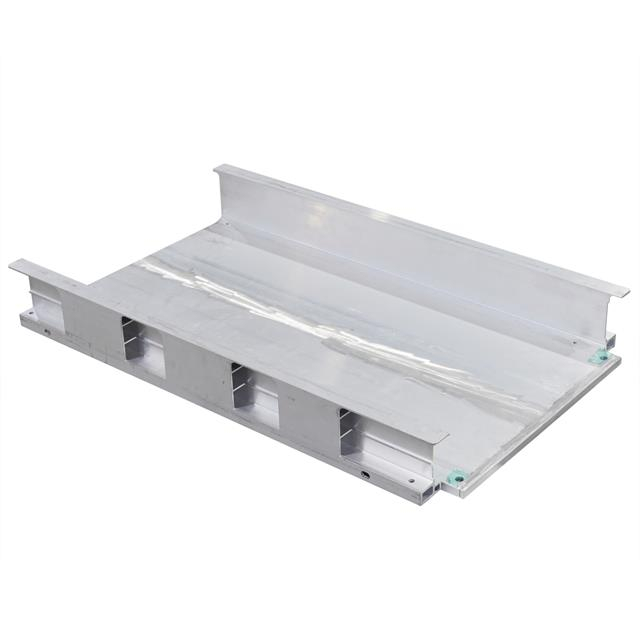
The 6xxx series dominates the NEV/EV sector. You see these alloys in chassis parts, extruded profiles, battery trays, and cooling plates. Their excellent formability and moderate strength make them a top choice for lightweight structures. You benefit from their versatility in both structural and non-structural joining.
You may encounter moderate tool wear and occasional softening in the heat-affected zone during friction stir welding. The 6xxx alloys generally respond well to the process, but you must control parameters to avoid surface defects and maintain consistent weld quality. Proper tool selection ensures smooth joining and extends tool life.
You use the 7xxx series for high-performance joining in aerospace, EV subframes, and sports equipment. These alloys deliver exceptional strength-to-weight ratios, which is essential for lightweight and safety-critical components. Their main chemical element, zinc, boosts mechanical properties for demanding welding applications.
Property | Description | Influence on FSW Tool Choice |
|---|---|---|
Main Chemical Element | Affects weldability and corrosion resistance | |
Heat Treatability | Increased strength with magnesium addition | Requires tools with higher hardness |
Density | Low density (2.81 g/cm3) | Influences tool design for weight considerations |
Corrosion Resistance | Average compared to other alloys | Impacts choice of tool materials for durability |
Hardness | High hardness of the alloy | Necessitates harder tool materials for effective welding |
You must address high hardness and moderate corrosion resistance when joining the 7xxx series. Friction stir welding tools need to withstand increased wear and maintain performance over long production runs. Selecting the right tool material prevents premature failure and ensures defect-free welds.
Tip: Always match your friction stir welding tool to the specific alloy series and application to maximize joint quality and production efficiency.
When you select fsw tools for aluminum alloys, you must understand the main types and their unique features. Each tool design influences weld quality, process efficiency, and compatibility with different alloy series. The right choice ensures you achieve strong, defect-free joints in your friction stir welding projects.
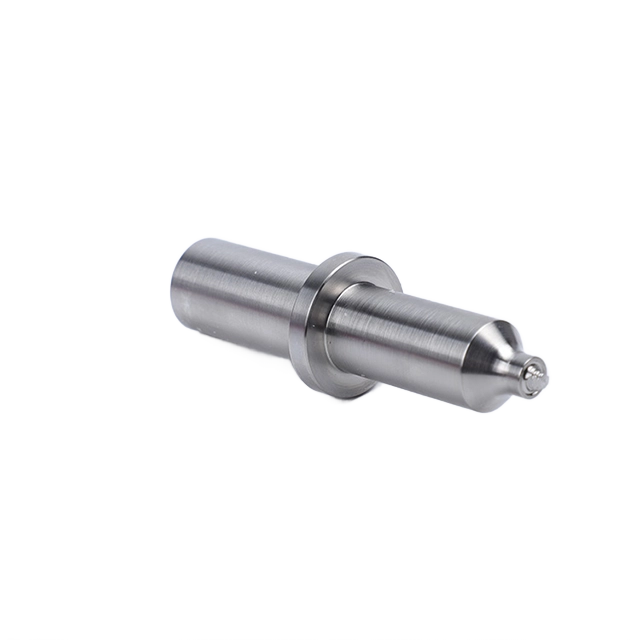
Fixed pin fsw tools remain the most common choice for joining aluminum alloys. You will find these tools consist of two main parts: the shoulder and the pin. The shoulder generates frictional heat and applies pressure, while the pin stirs and mixes the softened material. Tool geometry, such as pin length and shoulder diameter, directly affects heat generation, material flow, and weld zone structure. Most fixed pin tools use tool steel like H13 for standard applications. For higher strength alloys, you may see superalloys or tungsten carbide.
Simple design makes them cost-effective.
Geometry influences process speed and defect formation.
Suitable for a wide range of thicknesses.
You should use fixed pin fsw tools for welding aluminum sheets under 5mm. These tools excel in automotive, aerospace, and general manufacturing where you need straightforward, reliable joints. Their simplicity and durability make them ideal for high-volume production.
Self-reacting fsw tools, often called bobbin tools, feature two shoulders—one on each side of the workpiece. This design balances heat input and reduces distortion. You do not need a backing anvil, which simplifies setup. The dual-shoulder approach improves temperature control and material flow, especially in thicker plates.
Enhanced heat distribution across the weld.
Reduced residual stresses and improved joint properties.
No need for backing support.
You will benefit from self-reacting fsw tools when welding thicker aluminum plates or when you want to minimize distortion. These tools deliver superior weld quality and process efficiency, especially in demanding applications like battery trays and large structural components. Studies show that bobbin tools can outperform conventional designs in both weld strength and appearance.
You must consider tool material when choosing fsw tools. Tool steel, such as H13 or M2, offers good wear resistance and affordability for most aluminum alloys. For high-strength or abrasive alloys, polycrystalline cubic boron nitride (PCBN) and tungsten-rhenium (W-Re) provide exceptional durability and longer tool life.
Tool material selection depends on the alloy series and production needs. Tool steel works well with 6xxx series alloys. PCBN and W-Re excel with 2xxx and 7xxx series, where higher hardness and thermal stability are critical. Matching the right material to your application ensures consistent weld quality and reduces downtime.
Note: Recent advances in friction stir welding include heat-assisted methods like laser-heated and plasma-assisted FSW. These innovations improve weld quality, reduce tool wear, and expand the range of compatible alloys for modern fsw tools.
Application | Recommended Tool Type | Suggested Material | Key Considerations |
|---|---|---|---|
Aluminum sheet (<5mm) | Fixed pin | Tool steel (H13) | Simple, cost-effective |
Aluminum plate (>10mm) | Bobbin tool | MP159 or similar | Balanced heat distribution |
Aircraft fuselage | Retractable pin | Tool steel or superalloy | Elimination of exit holes |
Automotive spot welds | FSSW tool (refill) | Tool steel | Production speed, appearance |
You can see that understanding the types of fsw tools and their materials helps you optimize your friction stir welding process for any aluminum alloy.
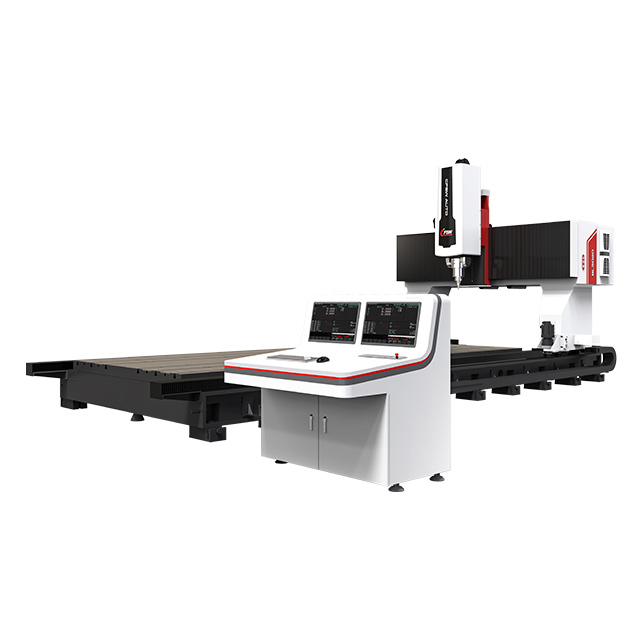
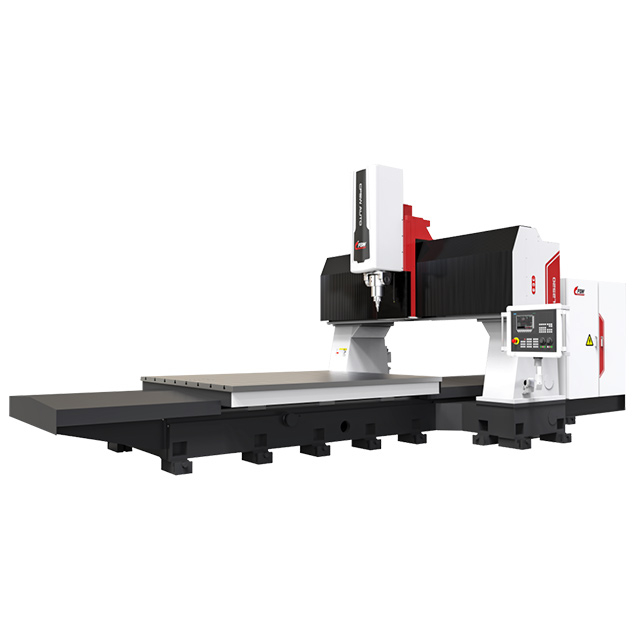
Selecting the right friction stir welding tool is essential for achieving high-quality welds in the NEV/EV and lightweight manufacturing sectors. You need to consider not only the tool material but also how it aligns with your production goals and the capabilities of your equipment. Dongguan Zhihui Welding Technology Co., Ltd. designs its friction stir welding machines to support these top tool choices, ensuring you meet the demands of modern aluminum joining.
When you match your tool to both the alloy and the application, you maximize weld quality and production efficiency.
PCBN (polycrystalline cubic boron nitride) tools offer exceptional hardness and thermal stability. You benefit from their ability to maintain shape and sharpness even under intense friction and heat. These tools deliver superior microstructural properties in the weld zone, which leads to outstanding mechanical performance. You will notice that PCBN tools excel when you need to join hard or heat-resistant aluminum alloys.
You should use PCBN tools for the 2xxx and 7xxx aluminum series. These alloys present significant challenges due to their high strength and hardness. PCBN tools allow you to achieve defect-free welds and maintain consistent quality, even in demanding applications like battery enclosures and aerospace components.
Pros:
Delivers the highest weld quality, especially in hard aluminum alloys.
Maintains tool geometry for longer production runs.
Reduces the risk of defects and improves joint strength.
Cons:
Higher initial cost compared to other tool materials.
Tool life can be limited by rapid degradation in some applications.
PCBN tools provide unmatched weld strength and microstructural quality, but you must weigh their cost against your production needs.
Tool steel tools, such as H13 and M2, remain a popular choice for friction stir welding. You gain from their affordability and ease of manufacturing. These tools offer good wear resistance and are suitable for most aluminum alloys, especially when you focus on moderate production volumes. Tool steel tools are easy to re-machine and maintain, which helps you control costs.
You will find tool steel tools ideal for the 6xxx aluminum series. These alloys are common in NEV/EV chassis, battery trays, and cooling plates. Tool steel tools allow you to achieve reliable welds and maintain consistent quality in these applications.
Pros:
Cost-effective for large-scale production.
Suitable for a wide range of aluminum alloys.
Easy to manufacture and maintain.
Cons:
Rapid wear can occur when welding hard or reinforced aluminum alloys.
Tool life may be shorter in abrasive or high-strength applications.
You should choose tool steel tools when you need a balance between cost and weld quality, especially for standard aluminum alloys.
Tungsten-rhenium (W-Re) tools combine high melting points with excellent thermal and electrical conductivity. You benefit from their ability to withstand elevated temperatures and maintain strength during long welding cycles. The addition of rhenium improves ductility, which is crucial for effective welding of high-strength aluminum alloys.
You should select tungsten-rhenium tools for high-strength or high-temperature aluminum alloys, including advanced 7xxx series and certain aerospace-grade materials. These tools perform well in applications where you require both durability and consistent weld quality, such as EV battery pack assembly and die-cast aluminum joining.
Pros:
Excellent high-temperature strength and durability.
Maintains weld quality in demanding applications.
Suitable for thick or high-strength aluminum components.
Cons:
Higher cost due to material composition.
Brittleness can be a concern, requiring careful handling and optimized tool design.
Tungsten-rhenium tools give you the edge in high-temperature and high-strength aluminum welding, but you must consider their cost and brittleness.
You need to ensure that your tool choice aligns with your machine’s capabilities and your production requirements. Dongguan Zhihui Welding Technology Co., Ltd. friction stir welding machines support all three tool types, offering you flexibility for a wide range of NEV/EV applications.
Feature/Requirement | Description |
|---|---|
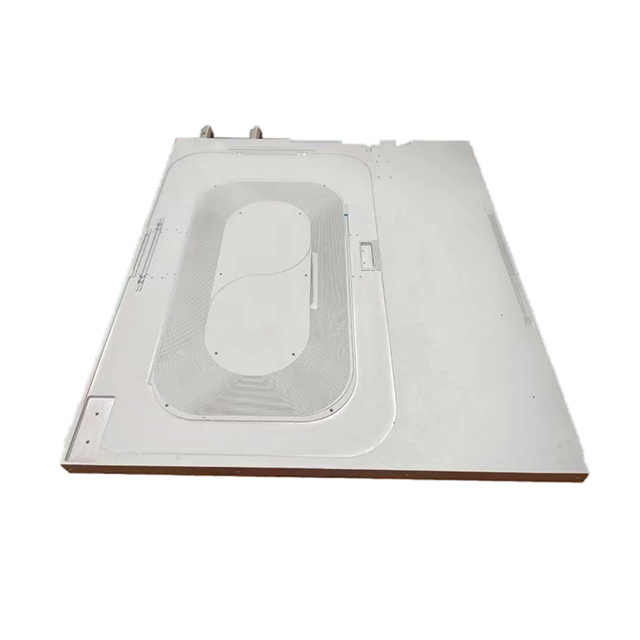
Machine Compatibility | Zhihui Welding's FSW machines handle large battery trays and long aluminum components, essential for EV manufacturing. |
Automation and Quality Control | Automated systems ensure consistent welds, reducing scrap and boosting production quality. |
Material Handling | Machines adapt to various aluminum alloys and thicknesses, meeting diverse industry needs. |
Precision and Reliability | Advanced solutions deliver high precision and weld quality for critical EV components. |
Key Applications | Includes battery pack assembly, die-cast aluminum joining, and robust seals for power electronics. |
Tip: Always consult your machine supplier to confirm tool compatibility and optimize your weld process for the highest quality results.
You can see that each tool type offers unique advantages for aluminum welding. PCBN tools deliver the best weld quality for hard alloys, tool steel tools provide cost-effective solutions for standard alloys, and tungsten-rhenium tools excel in high-temperature or high-strength applications. By matching your tool to your alloy and production needs, you ensure the best possible weld quality and long-term reliability.
Achieving high weld quality in aluminum alloys depends on careful fsw tool selection. The right choice ensures you meet production goals, minimize defects, and deliver consistent weld performance. You must evaluate several factors before making your decision.
You need to match your fsw tool selection to the specific aluminum alloy. Each alloy series, such as 2xxx, 6xxx, or 7xxx, responds differently to the welding process. Harder alloys require tools with higher durability and thermal stability. For example, PCBN tools work best with high-strength alloys, while tool steel suits standard grades. The material properties of the alloy influence tool wear, heat generation, and ultimately, weld quality.
The thickness of your workpiece plays a major role in tool selection. Thin sheets often require fixed pin tools, while thicker plates benefit from self-reacting or bobbin tools. Thicker materials demand tools with robust profiles and optimized shoulder geometry to ensure proper heat distribution and material flow. Selecting the right tool for the thickness helps you avoid defects and maintain weld quality.
Joint design affects both weld performance and tool requirements. You should consider the type of joint—whether butt, lap, or T-joint—and ensure your tool geometry matches the application. Proper joint preparation, including surface cleaning and fixturing, supports consistent weld quality. Overlooking joint design can lead to incomplete fusion or surface defects.
Tip: Tool pin profiles, such as threaded cylindrical or squared shapes, significantly impact weld strength and quality. Threaded cylindrical profiles often deliver the best results for aluminum alloys.
You want to maximize tool life without sacrificing weld quality. Choose tool materials that match your production volume and alloy type. For high-strength alloys, select PCBN or tungsten-rhenium tools to extend tool life. Monitor tool wear regularly and replace tools before they affect weld performance.
Consider the total cost of ownership, not just the purchase price. Over-specifying machine capacity or choosing the wrong tool for your alloy can increase expenses. Balance initial investment with long-term savings by selecting tools that offer both durability and consistent weld quality. Avoid focusing only on upfront costs, as this may lead to higher maintenance and replacement expenses.
Ensure your fsw tool selection aligns with your specific application. Review your welding equipment, including machine compatibility and fixturing needs. Adjust machine settings, such as rotation speed and traverse speed, to optimize weld quality for your chosen alloy and thickness. Proper material preparation and joint design further enhance weld performance.
Key parameters to monitor for optimal weld quality:
Tool rotational speed
Traverse speed
Axial force
Tool profile and geometry
Common Mistakes in FSW Tool Selection | How to Avoid Them |
|---|---|
Over-specifying machine capacity | Match machine size to actual needs |
Using one tool for all alloys | Select tools specific to each material |
Neglecting fixturing and clamping | Invest in proper support systems |
Focusing only on purchase price | Consider total cost of ownership |
Skipping qualification and training | Plan for ramp-up and documentation |
Remember: Careful fsw tool selection and process parameter control directly impact weld quality, reduce defect rates, and ensure you achieve the desired weld properties in every application.
You need a clear reference when selecting friction stir welding tools for aluminum alloys. The following table summarizes compatibility and performance for the most common tool types and alloy series. This quick guide helps you match your tool to the alloy and application, streamlining your decision process.
Tool Type | Alloy Series | Hardness (HV) | Key Advantages | Application Fit | |
|---|---|---|---|---|---|
PCBN | 2xxx, 7xxx | 320+ | 120+ | Exceptional weld quality, high durability | Aerospace, battery enclosures |
Tool Steel (H13/M2) | 6xxx | 250–280 | 90–110 | Cost-effective, easy to machine | Chassis, cooling plates |
Tungsten-Rhenium | 7xxx, advanced | 300+ | 115+ | High-temperature strength, long tool life | EV battery packs, thick plates |
Bobbin Tool | All series | Comparable | 101.26 | Superior hardness, process flexibility | Thick plates, distortion control |
Double-Acting Tool | 1xxx, 2xxx | 241.52 | N/A | Cleaner welds, fewer defects | Thin sheets, uniform joints |
Tip: Use this table to quickly identify which tool type matches your alloy series and production requirements. You save time and reduce trial-and-error in tool selection.
You want to understand how each tool performs across different alloys. Performance depends on weld quality, mechanical properties, and defect rates. Studies show that double-acting tools produce cleaner, more uniform welds with fewer defects compared to bobbin tools, especially in AA1100 aluminum. You achieve superior tensile strength and uniform grain refinement in the stir zone with the right tool choice.
PCBN tools deliver the highest weld quality for hard alloys. You maintain tool geometry and reduce defects in demanding applications.
Tool steel tools offer reliable performance for standard alloys. You benefit from cost savings and easy maintenance.
Tungsten-rhenium tools withstand high temperatures and maintain strength during long welding cycles. You achieve consistent weld quality in thick or high-strength aluminum components.
Bobbin tools provide flexibility and superior hardness. You minimize distortion and improve weld appearance in thick plates.
Double-acting tools excel in producing uniform joints and minimizing tear defects. You enhance mechanical properties and weld consistency.
Note: Ballistic resistance studies on AA5083 show that FSW weldments perform 30% worse than base material targets under projectile impact. You must consider mechanical property requirements when selecting your tool and process.
You improve weld quality and production efficiency by matching tool type to alloy series and application.
You reduce defect rates and optimize mechanical properties with informed tool selection.
Quick Reference: Review the table and performance notes before starting your next friction stir welding project. You ensure the best results for NEV/EV and lightweight manufacturing.
You now know the top three FSW tool choices for aluminum alloys: PCBN tools for 2xxx and 7xxx series, tool steel for 6xxx series, and tungsten-rhenium for high-strength or thick components. Selecting the right tool ensures weld quality and production efficiency in NEV/EV and lightweight manufacturing.
The fast growth of the new energy vehicle industry makes welding technology vital for product quality and efficiency.
FSW delivers strong, leak-tight seals in EV battery enclosures, which are essential for safety.
Consult with FSW machine suppliers like Dongguan Zhihui Welding Technology Co., Ltd. to match your technical and economic needs.
You achieve the best results with PCBN tools. These tools handle the high strength and hardness of 2xxx series alloys, ensuring defect-free welds and superior mechanical properties.
You match tool material to your alloy series and production needs. Tool steel suits 6xxx alloys. PCBN and tungsten-rhenium work best for high-strength or thick aluminum components.
You should not use one tool for all alloys. Each alloy series requires specific tool materials and designs. Selecting the right tool improves weld quality and extends tool life.
You extend tool life by selecting the correct material, monitoring wear, and optimizing welding parameters. High-strength alloys and thick plates require durable tools like PCBN or tungsten-rhenium.
You can use PCBN, tool steel, and tungsten-rhenium tools with Dongguan Zhihui Welding Technology Co., Ltd. machines. These machines support a wide range of NEV/EV and lightweight manufacturing applications.
You improve weld quality by choosing the right tool geometry. Pin shape, shoulder diameter, and profile affect heat generation, material flow, and joint strength.
You gain strong, leak-tight joints, reduced distortion, and eco-friendly production. FSW ensures reliable battery enclosures, cooling plates, and structural parts for electric vehicles.
You consult with FSW machine suppliers like Dongguan Zhihui Welding Technology Co., Ltd. They provide tailored recommendations based on your alloy, application, and production goals.