

| Size: | |
|---|---|
ZhiHui
In friction stir welding, tool performance directly affects weld quality and production efficiency.
Common issues include:
Rapid tool wear leading to frequent replacement
Unstable weld quality across batches
Poor material flow causing internal defects
Overheating in high-load welding conditions
These challenges increase downtime and overall production cost.
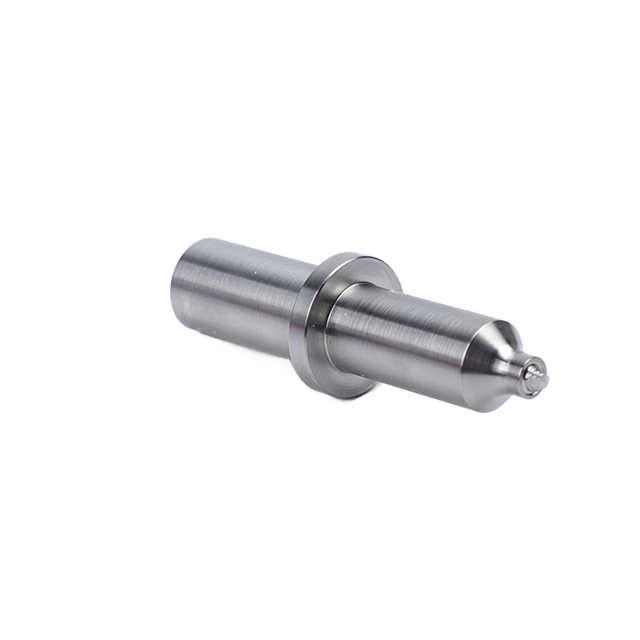
We provide fully customized FSW tool heads based on your material, thickness, and welding requirements.
By optimizing tool material and geometry, we ensure:
Stable material flow
Consistent weld formation
Improved durability
Reliable performance in demanding applications
Extended Tool Life
Superalloy materials improve wear resistance and reduce replacement frequency
Stable Welding Performance
Optimized tool design ensures smooth material flow and defect-free welds
Custom Geometry Design
Tool structure tailored to your welding parameters and workpiece
Multi-Material Capability
Suitable for aluminum, copper, magnesium, and dissimilar metal welding
Pin Types
Cylindrical / threaded / tapered / triflute
Shoulder Types
Flat / concave / scroll / high-flow
Custom Design
Geometry optimized based on material behavior and welding conditions
Tool life in friction stir welding depends on welding length, material thickness, and workpiece material.
Thicker materials and longer weld paths increase tool wear
Aluminum alloys typically allow longer tool life
Copper alloys result in faster wear due to higher hardness and thermal conductivity
Typical performance range:
Aluminum alloys: approximately 2,000–8,000 meters
Copper alloys: shorter tool life depending on welding conditions
With optimized superalloy materials and custom geometry, our tool heads are designed to maximize durability while maintaining stable weld quality.
EV battery tray welding
Motor housing welding
Liquid cooling plate welding
Copper–aluminum busbar welding
Thermal management components
Not sure which friction stir welding tool head is suitable for your application?
To recommend the right tool design, we typically need the following information:
Material (aluminum, copper, or dissimilar metals)
Material thickness (mm)
Welding length or production volume
Joint type (butt joint, lap joint, etc.)
Current issues (tool wear, defects, instability)
Based on this information, we will provide:
Recommended pin and shoulder geometry
Suitable tool material (superalloy selection)
Expected tool life range
Welding process optimization suggestions
Send us your drawings or parameters — we will reply within 24 hours.
Material: Superalloy
Welding Thickness: 1–20 mm
Applicable Materials: Aluminum / Copper / Magnesium
Pin Structure: Customizable
Shoulder Design: Customizable
Cooling: Optional
You may also explore our related solutions:
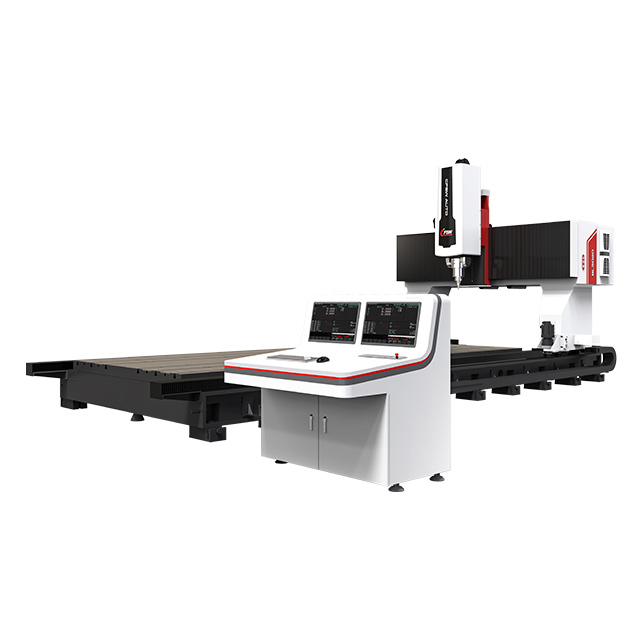
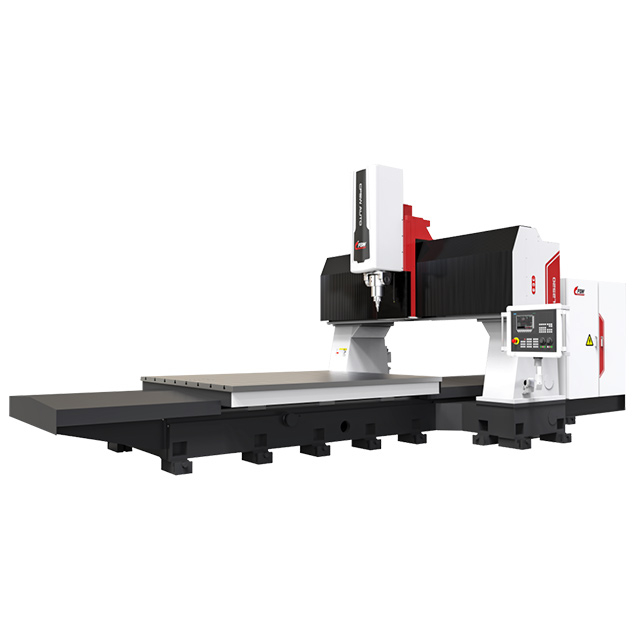
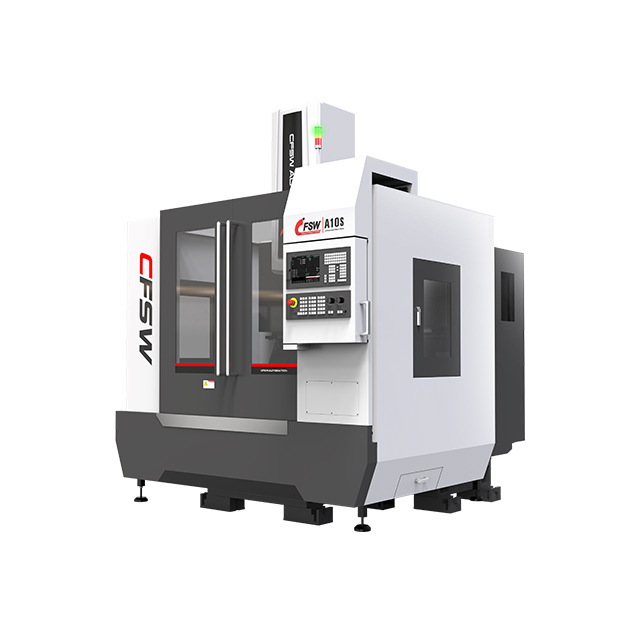
Friction stir welding machines
Q1: How to choose the right friction stir welding tool head?
Tool selection depends on material, thickness, and welding conditions. We recommend geometry based on your application.
Q2: What affects friction stir welding tool life?
Tool life is affected by material hardness, welding length, thickness, and heat input.
Q3: Can FSW tool heads be used for copper welding?
Yes. Specialized tool design is required to ensure stable copper welding performance.
Q4: Why does my FSW tool wear too fast?
Improper tool material or geometry can cause rapid wear. Customized tools significantly improve durability.
Q5: Do you support custom FSW tool design?
Yes. We provide full customization based on your welding process and requirements.
Send us your material details and welding requirements — we will recommend a tailored tool solution to improve weld quality, extend tool life, and reduce production cost.