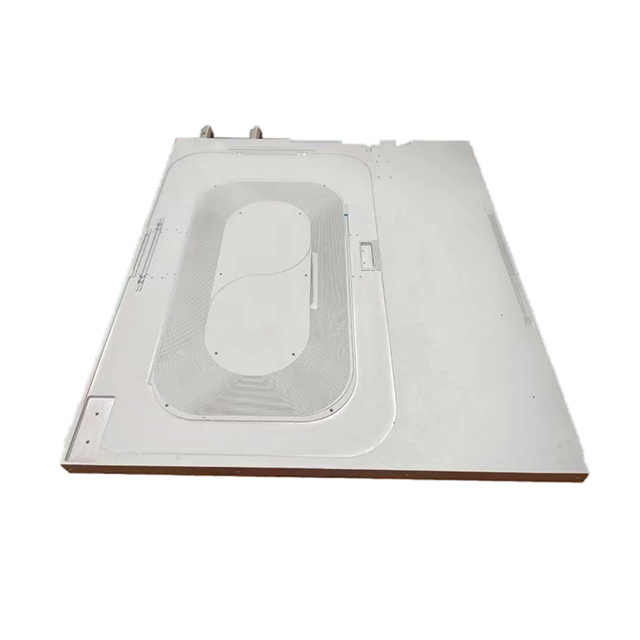
Energy storage liquid cold plates require high sealing reliability and structural stability. However, traditional welding methods often create several challenges:
Leakage risk in long-channel structures due to porosity or micro-cracks
Inconsistent cooling performance caused by uneven weld quality
Deformation of large flat plates due to high heat input
Complex coordination between machining and welding suppliers
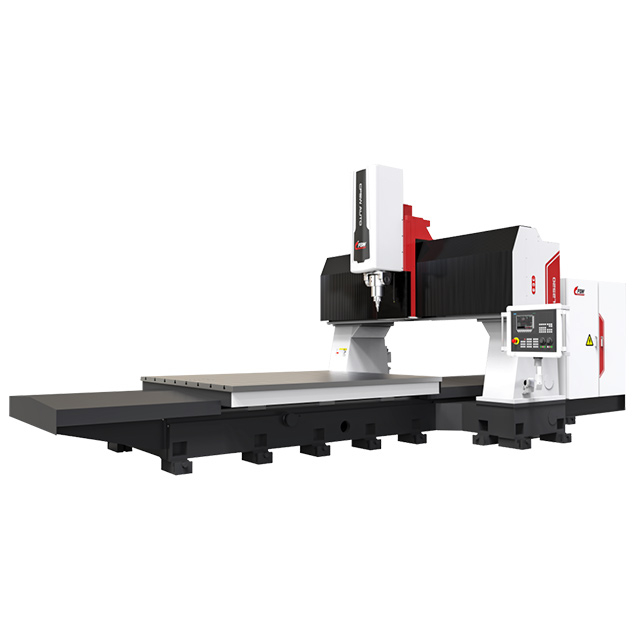
Our friction stir welding process is optimized for aluminum liquid cooling plates used in energy storage systems.
Solid-state welding eliminates porosity and cracking
Uniform weld penetration ensures consistent coolant flow
Low heat input minimizes deformation
Suitable for long, continuous weld seams
Support welding-only service or full-process manufacturing
Dense weld structure ensures long-term sealing performance
Custom fixtures ensure dimensional accuracy and repeatability
Integrated process reduces coordination complexity
Proven experience in battery and thermal management components
Energy Storage System (ESS) cooling plates
Battery Energy Storage System (BESS) cold plates
Power module liquid cooling components
Industrial thermal management systems
Material: Aluminum alloys (6061 / 6063 / 5083)
Thickness Range: 1–10 mm
Weld Length: Up to 3000 mm
Tolerance: ±0.1 mm
Leak Testing: 100% pressure testing
Customization Capability:
We can adjust welding parameters, fixture design, and process solutions based on your specific cold plate structure, channel design, and production requirements.
We use friction stir welding, a solid-state process that eliminates porosity and micro-cracks. Combined with controlled welding parameters and full leak testing, this ensures reliable sealing even in long-channel designs.
Low heat input from FSW significantly reduces thermal distortion. In addition, we use custom fixtures to keep large flat plates stable during welding.
Yes. Uniform weld penetration ensures stable internal flow channels, helping maintain consistent coolant distribution and thermal performance.
Each cold plate undergoes pressure leak testing, dimensional inspection, and weld quality checks before delivery.
Yes. Our process is optimized for thin-wall structures and large-area plates commonly used in energy storage systems.
We also provide welding solutions for EV battery tray welding and motor housing welding, covering a wide range of new energy components.
Get reliable welding solutions for your energy storage cooling plates.
Whether you need welding-only support or a complete manufacturing solution, we are ready to assist.
Contact us today to discuss your project requirements and get a customized friction stir welding solution.