Views: 0 Author: Site Editor Publish Time: 2026-02-05 Origin: Site
Selecting the right materials for friction stir welding (FSW) is not limited to choosing a suitable welding tool. In practice, FSW performance depends on a system-level interaction between machine structure materials and tool materials. The machine determines whether the process is mechanically stable and repeatable, while the tool determines weld quality, service life, and process economics.
Industry estimates suggest that conventional FSW tools, dominated by tool steels and high-strength alloys, may account for approximately 36.0% of the global FSW tool market in 2025.These materials enable sufficient heat generation while maintaining structural integrity below the melting point of the base materials.
In NEV/EV manufacturing, FSW supports lightweight battery trays, cooling plates, busbars, and moisture-resistant enclosures. The process reduces energy input, eliminates consumables, and enables reliable joining of dissimilar alloys. As production volumes increase, improper material selection—either at the machine or tool level—leads to vibration, tool failure, inconsistent welds, and rising costs.
This guide presents a comprehensive material selection framework covering:
Key FSW machine components (machine-side materials)
FSW tool materials (tool-side materials)
Comparative performance analysis
Application-specific recommendations for major industries
Material selection plays a pivotal role in determining the durability and effectiveness of friction stir welding tools. The solid-state joining process subjects the tool to intense mechanical and thermal loads. High-quality tool materials, such as advanced tool steels, offer superior resistance to wear and deformation, which extends the service life of the tool. The following table illustrates how innovative tool design and material choice impact tool longevity in the welding process:
Tool Design | Cycles to Failure | Material Used | Key Features |
|---|---|---|---|
Innovative | 9,328,980 | High-carbon steel | Advanced heat management, longitudinal grooves, adjustable pin length |
Standard | 7,589,146 | High-carbon steel | Standard design without advanced features |
Selecting the right material for the welding tool ensures consistent performance throughout the process. This reliability is essential for manufacturers who rely on solid-state joining process techniques to produce high volumes of components for industries such as NEV/EV manufacturing.
The choice of tool material directly influences the quality of the weld and the efficiency of the welding process. In friction stir welding, the material joining technique depends on the ability of the tool to generate adequate heat and maintain its shape under pressure. The heating rates, tool strength, and achieved temperatures affect the plastic flow and forging patterns of the weld metal. These factors are critical for producing defect-free joints and maintaining weld quality. The interaction between the tool and the workpiece can also alter the microstructure of the joint, which impacts the integrity of the weld.
Achieving high-quality welds requires careful control of welding parameters, including rotation speed and axial force. The solid-state joining process benefits from tool materials that withstand repeated cycles without degradation. Improper material selection can result in defects, reducing the reliability of the welding technique and increasing the risk of costly rework.
Cost and maintenance considerations are central to material selection for friction stir welding tools. Manufacturers must balance initial investment with long-term operational costs. The table below summarizes key cost factors associated with different tool materials in the welding process:
Cost Factor | Description |
|---|---|
Initial Tool Cost | Varies from inexpensive tool steel to costly PCBN tools. |
Tool Life Expectancy | More expensive tools may provide longer service life, justifying their cost. |
Production Volume | Higher production volumes can justify the use of more expensive, durable tools. |
Changeover Time | Complex tools may require longer replacement times, impacting efficiency. |
Quality Requirements | Higher quality demands may necessitate the use of premium tools. |
Selecting a material that matches the production scale and quality requirements of the welding process can reduce downtime and maintenance costs. Manufacturers using solid-state joining process techniques must evaluate these factors to optimize tool selection and ensure efficient, cost-effective operations.
During friction stir welding, both the machine structure and the welding tool are subjected to significant mechanical loads. These loads originate from the axial force required to plunge the tool into the workpiece and the torque generated during material stirring. As welding progresses, bending forces and lateral stresses also develop, particularly in long weld seams or thick-section joints.
If machine components such as the spindle, tool holder, or frame lack sufficient stiffness, these loads can cause elastic deflection, vibration, and loss of alignment. On the tool side, insufficient strength or toughness may result in plastic deformation, pin bending, or premature fracture. Therefore, mechanical load resistance is a fundamental requirement for both machine-side and tool-side material selection.
FSW is a solid-state process, but it involves intense frictional heating at the tool–workpiece interface. Heat is generated through tool rotation, shoulder contact, and plastic deformation of the material. This thermal energy softens the workpiece, enabling material flow and joint formation.
However, excessive heat accumulation introduces new risks. Repeated thermal cycling can cause thermal fatigue in tools and machine components, while uneven heat dissipation may lead to thermal expansion mismatch. Tools with poor high-temperature strength may soften, accelerating wear and reducing weld consistency. Machine components exposed to prolonged heat without adequate cooling may suffer from dimensional instability, directly affecting weld accuracy.
Understanding failure mechanisms helps explain why different components require different material strategies.
Tool-side failure mechanisms include:
Abrasive wear caused by hard particles or reinforcements in the workpiece
Adhesive wear due to material transfer at elevated temperatures
Diffusion-controlled wear in high-temperature welding of copper or steel
Thermal fatigue and plastic deformation during long production cycles
Machine-side failure mechanisms include:
Spindle deflection under sustained axial force
Frame vibration leading to inconsistent weld penetration
Loss of tool concentricity due to thermal expansion
Bearing and guide wear caused by cyclic loading
Because these failure modes act simultaneously, FSW performance depends on coordinated material selection across the entire system. Machine-side materials establish process stability and repeatability, while tool materials determine weld quality, tool life, and operational cost.

The spindle is the driving force behind the rotation and movement of the tool in friction stir welding machines. Material selection for the spindle must focus on mechanical strength, fatigue resistance, and dimensional stability. The spindle experiences continuous rotational stress and must maintain precise alignment to ensure weld quality. Manufacturers prioritize materials that can withstand repeated cycles without deformation. Thermal stability is also important, as the spindle operates near the heat-affected zone.
Materials such as alloy steel and hardened steel are commonly used for spindles. These materials provide high tensile strength and resist wear during prolonged operation. The spindle must also exhibit good machinability for accurate manufacturing. In some advanced systems, surface treatments like nitriding or carburizing enhance the spindle’s durability. The right material ensures the spindle supports the tool effectively, maintaining consistent weld performance and reducing maintenance needs.
The tool holder secures the tool and transmits force from the spindle. Material selection for the tool holder centers on strength, wear resistance, and thermal stability. The holder must endure the intense mechanical loads generated during welding. High-carbon high-chromium steel (HcHcr) is favored for its exceptional mechanical properties. This alloy provides high strength and resists wear, which is essential for the demanding conditions of friction stir welding. Heat treatment processes further improve the thermal resistance of HcHcr, allowing the holder to perform reliably at elevated temperatures. The addition of vanadium increases toughness, making the alloy suitable for heavy-duty applications.
A tool holder must maintain a secure grip on the tool throughout the welding process. HcHcr steel, often enhanced with vanadium, offers the necessary combination of toughness and durability. The holder should also resist thermal expansion to prevent misalignment. Manufacturers may apply surface hardening treatments to extend the holder’s service life. Selecting the right material for the tool holder ensures stable tool positioning, which is vital for producing defect-free welds.
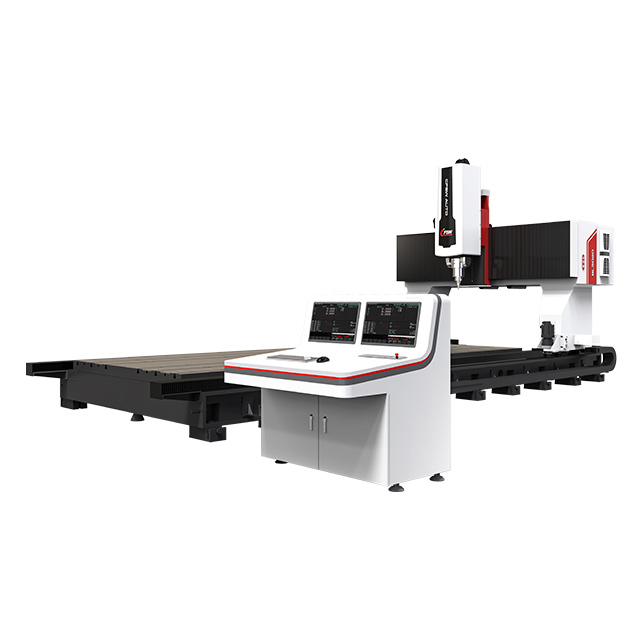
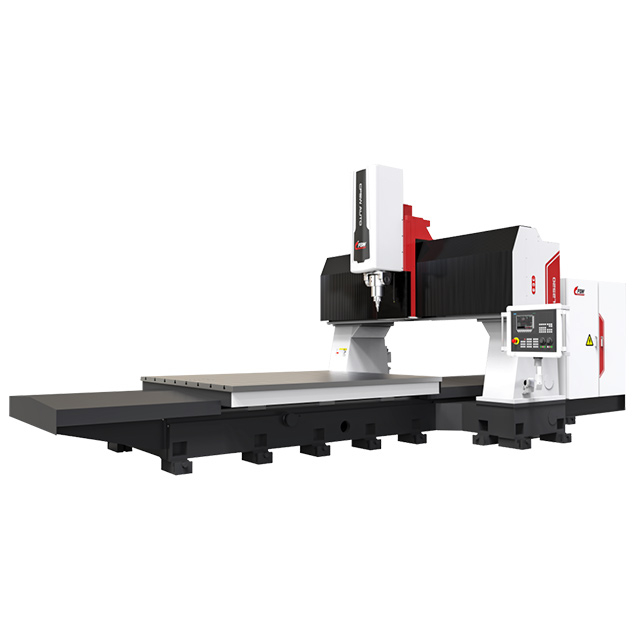
The machine frame forms the backbone of any friction stir welding (FSW) system. Its primary function is to provide a rigid, stable platform that supports all moving components and absorbs the forces generated during welding. Material selection for the frame must focus on achieving high stiffness, excellent vibration damping, and long-term dimensional stability. These properties help maintain precise tool alignment and consistent weld quality. Engineers often choose materials with high modulus of elasticity and low thermal expansion to minimize deflection and distortion under load. The frame must also resist fatigue and corrosion, especially in demanding industrial environments.
The choice of frame material directly impacts the structural integrity and vibration resistance of the FSW machine. Steel alloys, especially those with high carbon or alloy content, are commonly used due to their superior strength and stiffness. Cast iron is another popular option, valued for its natural damping capacity and machinability. For applications requiring reduced weight, such as portable or robotic FSW systems, aluminum alloys may be considered, though they offer lower stiffness compared to steel.
The design of the frame also plays a crucial role. The following table summarizes how different machine frame designs affect stiffness and suitability for high-load applications:
Machine Design | Stiffness Level | Suitability for High Loads |
|---|---|---|
C-frame | Moderate | Sensitive to deflection |
Gantry | High | Ideal for large work areas |
Box-type | Very High | Best for high-force applications |
Selecting the right combination of material and frame design ensures the FSW machine can handle the mechanical stresses of welding without compromising accuracy or reliability. A robust frame minimizes vibration, which leads to smoother welds and longer machine life.
Efficient thermal management is essential for maintaining tool life and weld quality in FSW machines. Cooling system components must be constructed from materials that offer high thermal conductivity, excellent corrosion resistance, and structural integrity. These properties ensure rapid heat dissipation from the weld zone and prevent leaks or failures during operation. The materials should also be easy to machine and assemble, supporting both standard and custom cooling configurations.
Aluminum alloys such as 6061-T6 and 6063 are widely used in cooling systems for their good machinability and resistance to corrosion. In marine or harsh environments, marine-grade alloys provide enhanced protection against corrosion. Anodized alloys are chosen for specialized applications where improved surface properties are required.
Key requirements for cooling system materials include:
High thermal conductivity for effective heat transfer
Leak-free construction to prevent coolant loss
Structural integrity to withstand pressure and vibration
The table below outlines common materials and their applications in FSW cooling systems:
Material Type | Properties | Applications |
|---|---|---|
6061-T6 | Good machinability, corrosion resistance | General use in cooling systems |
6063 | Good machinability, corrosion resistance | General use in cooling systems |
Marine-grade | Enhanced corrosion resistance | Marine applications |
Anodized alloys | Improved surface properties | Specialized applications |
Selecting the appropriate materials for cooling system components ensures reliable thermal management, reduces maintenance needs, and extends the service life of the FSW machine.
The FSW tool is the primary interface between the machine and the workpiece, directly responsible for heat generation, material flow, and weld formation. During welding, the tool experiences severe frictional loading, elevated temperatures, and repeated mechanical stress, making hardness, toughness, hot strength, and wear resistance the most critical material requirements. Tool–workpiece compatibility is also essential to prevent contamination and ensure weld integrity. For a detailed comparison of tool steels, tungsten alloys, ceramics/cermets, superalloys, and advanced materials (PCBN, W-Re, PCD), refer to “Overview of FSW Tool Materials (Tool-Side)” and “Comparative Analysis of Tool Materials” in the sections below.
Tool steels represent the backbone of friction stir welding tool design. These materials, such as AISI H13, are engineered to withstand the demanding conditions of the welding process. Tool steels offer high compressive load resistance, essential for inserting the tool into the workpiece. Their high-temperature strength ensures that the tool maintains its shape and integrity during prolonged exposure to elevated temperatures. Wear resistance is another critical property, as the tool must endure repeated cycles without significant degradation. Tool steels are commonly used for welding aluminum alloys, especially in thicknesses ranging from 0.5 to 50 mm. The machinability of tool steel allows for precise manufacturing of complex tool geometries, which is vital for optimizing the weldability of aluminum alloy components in NEV/EV manufacturing.
Note: Tool steels are ideal for joining aluminum, magnesium, copper, and zinc alloys, making them a preferred choice for Zhihui Welding’s applications in battery trays, cooling plates, and lightweight structural parts.
Property | Description |
|---|---|
Compressive Load Resistance | Sustains compressive loads during insertion into the workpiece material. |
High-Temperature Strength | Maintains strength under high temperatures during the welding process. |
Wear Resistance | Endures repeated cycles despite high wear rate due to ease of machining. |
Application Suitability | Suitable for aluminum alloys and other low-melting-point alloys. |
Tungsten alloys are selected for friction stir welding tools when higher melting point alloys or abrasive metal matrix composites are involved. These materials exhibit exceptional hardness and toughness at elevated temperatures. Tungsten alloys resist deformation and maintain their mechanical properties even under extreme thermal and mechanical stress. Their low thermal conductivity helps minimize heat loss, which is crucial for maintaining weld quality. Tungsten alloys also possess good oxidation resistance, preventing surface degradation during welding. In NEV/EV manufacturing, tungsten alloy tools are used for joining copper and magnesium alloys, where tool longevity and weldability are paramount.
Key characteristics of tungsten alloys for FSW tools:
High strength and toughness at welding temperatures.
Excellent resistance to wear and oxidation.
Low thermal conductivity for improved heat management.
Suitable for welding high-strength alloys and composites.
Ceramics and cermets have emerged as advanced tool materials for specialized friction stir welding applications. These materials combine the hardness of ceramics with the toughness of metallic alloys, resulting in tools that can withstand severe abrasion and high temperatures. Ceramics and cermets are particularly effective for welding abrasive alloys and metal matrix composites, where conventional tool steels may fail prematurely. Their chemical stability and resistance to oxidation make them suitable for demanding environments. In the context of Zhihui Welding’s focus on lightweight and high-performance components, ceramics and cermets offer solutions for joining aluminum, magnesium, and zinc alloys with enhanced weldability and durability.
Advantages of ceramics and cermets in FSW:
Superior hardness and abrasion resistance.
High-temperature stability.
Chemical inertness and oxidation resistance.
Effective for welding challenging alloys and composites.
Superalloys represent a class of high-performance materials engineered for extreme environments. These alloys typically contain nickel, cobalt, or iron as their base element. Manufacturers select superalloys for friction stir welding (FSW) tools when the process demands exceptional strength, stability, and resistance to thermal fatigue. Superalloys maintain their mechanical properties at elevated temperatures, which is critical during prolonged welding cycles.
FSW tools made from superalloys excel in joining high-strength and heat-resistant workpieces. These materials resist deformation and wear, even when exposed to the intense friction and heat generated during welding. Superalloys also offer superior oxidation and corrosion resistance, which extends tool life and reduces maintenance requirements.
Note: Superalloys are especially valuable in applications where weld quality and tool durability are paramount, such as aerospace, advanced automotive, and NEV/EV battery module manufacturing.
Key properties of superalloys for FSW tools include:
High-temperature strength and stability
Excellent resistance to thermal fatigue
Superior wear and oxidation resistance
Compatibility with demanding alloys and composites
The following table summarizes the relevance of superalloys in FSW applications:
Property | Benefit for FSW Tools | Typical Use Cases |
|---|---|---|
High-temperature strength | Maintains tool integrity during long welds | Aerospace, NEV/EV battery trays |
Oxidation resistance | Reduces surface degradation | Copper busbars, magnesium housings |
Wear resistance | Extends tool life in abrasive environments | Structural parts, cooling plates |
Zhihui Welding leverages superalloy-based tools for joining aluminum, copper, magnesium, and zinc alloys in NEV/EV manufacturing. These tools help produce defect-free welds in critical components, such as battery trays and cooling plates, where reliability and performance are essential.
Mild steel is a cost-effective material commonly used for friction stir welding tools in low-demand applications. This alloy contains a low percentage of carbon, which gives it moderate strength and good machinability. Manufacturers often choose mild steel for prototype development, short production runs, or welding non-abrasive, low-melting-point alloys.
FSW tools made from mild steel offer several advantages. They are easy to manufacture and modify, which supports rapid tool design iterations. Mild steel tools also provide sufficient strength for welding thin aluminum and zinc alloys, making them suitable for lightweight components in NEV/EV applications.
However, mild steel has limitations in terms of wear resistance and thermal stability. These tools may degrade faster when used for high-volume production or when welding abrasive materials. For this reason, manufacturers typically reserve mild steel tools for less demanding tasks.
Tip: Mild steel tools are ideal for initial process trials, educational purposes, and small-scale production of aluminum and zinc alloy components.
Key features of mild steel FSW tools:
Low cost and easy fabrication
Adequate strength for thin workpieces
Suitable for non-abrasive alloys
Limited wear and thermal resistance
The table below highlights the suitability of mild steel for FSW applications:
Feature | Description | Application Example |
|---|---|---|
Cost-effectiveness | Low material and manufacturing cost | Prototype battery tray welding |
Machinability | Easy to shape and modify | Custom cooling plate designs |
Limited durability | Best for short runs and trials | Educational NEV/EV component welding |
Zhihui Welding utilizes mild steel tools for process development and small-batch production, especially when working with aluminum and zinc alloys in lightweight NEV/EV components.
While conventional tool steels and tungsten alloys cover most aluminum and magnesium applications, advanced FSW tool materials are required for extreme-temperature, high-strength, or highly abrasive welding conditions.
PCBN is one of the hardest tool materials available for friction stir welding. It maintains exceptional hardness and wear resistance at elevated temperatures, making it suitable for welding hard and high-melting-point materials such as steels, stainless steels, and titanium alloys.
Key characteristics:
Extremely high hardness and hot strength
Excellent resistance to abrasive and diffusion wear
Low friction coefficient at the tool–workpiece interface
Limitations:
Very high material and manufacturing cost
Limited toughness compared to metallic tools
Requires highly rigid machines and precise process control
PCBN tools are typically used in aerospace, defense, and specialized structural applications where weld quality and tool stability outweigh cost considerations.
W-Re alloys combine the high melting point of tungsten with improved ductility provided by rhenium. These alloys are particularly effective in high-temperature and high-load FSW applications.
Key characteristics:
Excellent high-temperature strength
Improved toughness compared to pure tungsten
Strong resistance to thermal fatigue
Typical applications:
Copper alloys
Thick-section aluminum and magnesium
High-load industrial welding
W-Re tools offer a balance between performance and durability in demanding production environments, though they remain costly and challenging to machine.
PCD tools exhibit exceptional hardness and wear resistance but are limited by their thermal stability. As a result, their application in FSW is restricted to low-temperature aluminum and non-ferrous alloys.
Key characteristics:
Extremely high wear resistance
Excellent surface finish capability
Limitations:
Poor thermal stability at high temperatures
Unsuitable for steel, copper, or high-heat applications
PCD tools are mainly used in niche applications involving thin aluminum sections where heat input is carefully controlled.
Summary of Advanced Tool Materials
Advanced FSW tool materials extend the weldable material range beyond conventional alloys. However, their successful application requires careful coordination with machine rigidity, thermal management, and welding parameters.
Tool steels are engineered for high strength and durability. These materials display excellent hardness, toughness, and wear resistance. The thermal stability of tool steels allows them to maintain their shape and mechanical properties during the welding process. High-carbon and alloyed tool steels, such as H13, are commonly used for friction stir welding. Their microstructure supports repeated cycles of joining without significant degradation. Tool steels also offer good machinability, which enables precise manufacturing of complex tool geometries for various weld joint configurations.
Tool steels are highly suitable for welding aluminum, magnesium, copper, and zinc alloys. Their ability to withstand the mechanical and thermal loads of the process makes them ideal for producing high-quality welds in NEV/EV manufacturing. The following table illustrates the compatibility of tool steels with different alloys and joint types:
Materials Joined | Tool Geometries and Material |
|---|---|
Aluminum alloys and copper with 0.5 mm thickness | D: 10 mm, flat shoulder. M: H13 |
Aluminum alloys with 1 mm thickness | D: 12 mm, flat and concave shoulders with grooves. M: H13 |
Magnesium alloys with 1.5 mm thickness | D: 10 mm, with different profiles. M: Hardened steel |
Tool steels perform well in butt joint configuration and lap joints, supporting the production of defect-free welds and consistent weld quality.
Pros:
High hardness and toughness
Excellent wear resistance
Good thermal stability
Precise machinability for complex tool designs
Cons:
Limited performance at extremely high temperatures
May require surface treatments for enhanced durability in abrasive welding conditions
Tool steels are widely used in NEV/EV manufacturing for joining battery trays, cooling plates, and lightweight structural components. They support the welding of aluminum and magnesium alloys, ensuring reliable weld joints and superior quality of weld joints. Tool steels also find application in aerospace and electronics, where consistent welds and robust joint integrity are essential.
Tungsten alloys possess exceptional hardness and toughness, especially at elevated temperatures. These materials maintain their mechanical properties during intense welding cycles. Tungsten alloys exhibit low thermal conductivity, which helps retain heat in the weld zone and improves the process efficiency. Their resistance to oxidation and wear makes them suitable for joining abrasive and high-strength alloys.
Tungsten alloys are preferred for welding copper, magnesium, and certain aluminum alloys, particularly when the process involves high temperatures or abrasive conditions. These tools excel in producing strong welds in challenging environments. Tungsten alloy tools are often used for butt joint configuration and lap joints, where maintaining tool integrity is critical for weld quality.
Pros:
Superior hardness and toughness at high temperatures
Excellent wear and oxidation resistance
Low thermal conductivity for efficient heat management
Cons:
Higher cost compared to tool steels
Difficult to machine into complex tool shapes
Tungsten alloy tools are utilized in NEV/EV manufacturing for joining copper busbars, magnesium housings, and other components requiring robust weld joints. These tools also support the welding of high-strength alloys in aerospace and heavy machinery, where the quality of weld joints and tool longevity are paramount.
Ceramics and cermets combine the hardness of ceramic materials with the toughness of metallic phases. These tool materials offer outstanding wear resistance and high-temperature stability. TiC-based cermets, for example, outperform WC-Co hardmetals under specific welding conditions. The wear mechanisms in ceramics and cermets include adhesive and diffusion-controlled wear, which become significant at elevated temperatures during the welding process. The stiffness of the composite and the properties of the carbide phase influence the performance of these tools in abrasive environments.
Cermets, especially TiC-based, show better wear resistance than WC-Co hardmetals under certain conditions.
Tool degradation increases at high temperatures due to reactions with the workpiece and atmosphere.
TiC-FeCr cermet demonstrates a higher wear rate, indicating performance issues in some applications.
The performance of carbide composites depends on composite stiffness and carbide phase properties.
Ceramics and cermets are suitable for welding abrasive alloys and metal matrix composites. These tools excel in joining aluminum, magnesium, and zinc alloys, especially when the process demands enhanced wear resistance and thermal stability. Ceramics and cermets support the production of high-quality welds in lightweight and high-performance components for NEV/EV and aerospace applications.
Pros:
Exceptional wear resistance
High-temperature stability
Chemical inertness and oxidation resistance
Cons:
Potential for increased tool degradation at very high temperatures
Some cermets may show significant wear rates in specific welding conditions
Ceramic and cermet tools are used for joining lightweight structural parts, battery trays, and cooling plates in NEV/EV manufacturing. These materials also support the welding of metal matrix composites and other challenging alloys in aerospace and electronics, where the quality of weld joints and process reliability are critical.
Superalloys stand out as advanced materials for friction stir welding tools. These alloys, often based on nickel, cobalt, or iron, deliver high strength and stability at elevated temperatures. Superalloys resist deformation and maintain their mechanical properties throughout the welding process. Their microstructure supports excellent hardness and toughness, which are essential for tool longevity. Superalloys also provide strong resistance to corrosion and oxidation, making them suitable for demanding environments.
A study on Haynes 282, a nickel-base superalloy, demonstrated a joint efficiency of about 96% in the as-welded condition. After post-weld aging heat treatment, the efficiency improved to nearly 100%. The tool showed no significant wear over a welding distance of 200 mm, highlighting its durability in the process.
Key performance metrics for superalloys include:
Strength
Corrosion resistance
Creep resistance
These properties ensure that the tool can withstand the intense heat and pressure generated during the weld.
Superalloys are highly suitable for friction stir welding applications that require joining high-strength or heat-resistant alloys. The tool maintains its shape and performance even during long, continuous welds. Superalloys excel in the process when welding aluminum, copper, magnesium, and zinc alloys, especially in industries where reliability is critical. The tool's resistance to thermal fatigue and wear makes it ideal for producing defect-free welds in NEV/EV battery trays, cooling plates, and structural components.
Superalloy tools enable manufacturers to achieve consistent weld quality and minimize downtime due to tool wear. This reliability is essential for high-volume production and applications where weld integrity cannot be compromised.
Pros | Cons |
|---|---|
Outstanding high-temperature strength | Higher material and manufacturing cost |
Excellent wear and corrosion resistance | More challenging to machine |
Long tool life in demanding processes | Limited availability for some alloys |
Maintains weld quality over long runs |
Superalloy tools are widely used in sectors that demand high weld quality and process reliability. In NEV/EV manufacturing, these tools join battery trays, busbars, and cooling plates. Aerospace applications use superalloy tools for welding structural parts that must endure extreme conditions. The electronics industry also benefits from the tool's ability to produce precise, defect-free welds in sensitive components. Superalloys support the process in any environment where tool durability and weld performance are top priorities.
Mild steel is a low-carbon alloy that offers moderate strength and good machinability. The tool made from mild steel is easy to fabricate and modify, which supports rapid prototyping and small-scale production. Mild steel provides adequate hardness for welding non-abrasive, low-melting-point alloys. However, it lacks the high wear resistance and thermal stability found in more advanced tool materials. The tool may degrade faster during the process if used for high-volume or high-temperature welds.
Mild steel tools are best suited for friction stir welding applications involving thin aluminum or zinc alloys. The process benefits from the tool's low cost and ease of customization. Mild steel is often chosen for initial process trials, educational purposes, or short production runs. The tool performs well when the weld does not require high resistance to abrasion or prolonged exposure to heat.
Mild steel tools provide a practical solution for developing new weld procedures or producing lightweight components in limited quantities.
Pros | Cons |
|---|---|
Low cost and easy fabrication | Limited wear and thermal resistance |
Good machinability for custom tools | Shorter tool life in demanding processes |
Suitable for prototyping and trials | Not ideal for abrasive or thick alloys |
Quick turnaround for new tool designs |
Manufacturers use mild steel tools for process development, prototyping, and small-batch production. In NEV/EV manufacturing, these tools help create lightweight aluminum and zinc alloy components during the early stages of product design. Educational institutions use mild steel tools to teach the fundamentals of friction stir welding. The tool is also valuable for custom or experimental welds where cost and flexibility are more important than long-term durability.
To simplify selection, the following table summarizes the typical performance profile of common FSW tool materials under representative conditions.
Selecting the right tool material is essential for achieving consistent weld quality and process efficiency in friction stir welding. Each material offers unique advantages that influence the weld outcome, tool life, and overall production economics. The following table summarizes the key properties and performance indicators for the most common FSW tool materials:
Material Type | Joint Strength (N/mm² at 540°C) | Operating Temperature (°C) | Creep Strength | Ductility & Toughness | Fatigue Resistance | Machinability | Production Cost | Typical Weld Application |
|---|---|---|---|---|---|---|---|---|
Tool Steel | High (up to 1445) | Up to 540 | High | Good | Good | Excellent | Moderate | Aluminum, magnesium, zinc weld |
Tungsten Alloy | High | Up to 590 | High | Good | Good | Moderate | High | Copper, magnesium weld |
Ceramics/Cermets | High | Up to 1000 | High | Moderate | Good | Limited | High | Abrasive alloy weld |
Superalloy | High | Up to 590 | High | Good | Excellent | Moderate | High | High-strength alloy weld |
Mild Steel | Moderate | Up to 400 | Moderate | Good | Moderate | Excellent | Low | Prototype, thin aluminum weld |
Note: The table highlights how each material supports different weld requirements, from high joint strength to machinability and cost considerations.
The table summarizes typical performance characteristics of FSW tool materials under representative welding conditions. Values are provided for comparative reference rather than absolute limits.
When evaluating tool materials, manufacturers must consider how each property affects the weld process. Joint strength determines the integrity of the weld, especially in critical applications like battery trays or cooling plates. High operating temperature and creep strength allow the tool to maintain performance during long weld cycles. Ductility and toughness help the tool resist cracking, which is vital for producing defect-free welds. Fatigue resistance ensures the tool can withstand repeated weld operations without failure.
Machinability impacts the ability to create complex tool shapes, which can optimize the weld path and improve weld quality. Production cost remains a key factor, especially for high-volume manufacturing where tool replacement frequency affects overall economics. Each material’s suitability for specific weld applications ensures that the right choice leads to efficient, reliable, and high-quality welds.
In practice, tool steel remains the preferred choice for most aluminum and magnesium welds due to its balance of strength, machinability, and cost. Tungsten alloys and superalloys are selected for demanding welds involving copper or high-strength alloys, where tool longevity and weld quality are critical. Ceramics and cermets excel in abrasive weld environments, while mild steel is often used for prototype or educational welds.
Manufacturers should match tool material properties to the weld requirements of their specific application. This approach ensures optimal weld performance, reduces downtime, and supports consistent production quality.
Selecting the right tool material begins with understanding the compatibility between the tool and the workpiece alloy. The material selection guide for fsw machine emphasizes that each tool material offers unique properties suited for specific joining tasks. For example, AISI H13 is widely used for joining aluminum alloys due to its strength, machinability, and cost-effectiveness. PCBN tools excel when joining hard alloys such as steels or titanium, providing exceptional hardness and thermal conductivity. W-Re alloys are preferred for demanding joining applications, offering high strength and improved toughness at elevated temperatures. The table below summarizes key compatibility criteria:
Tool Material | Suitable For | Key Properties |
|---|---|---|
AISI H13 | Aluminum Alloys | Strength, machinability, cost-effectiveness |
PCBN | Hard Alloys | Exceptional hardness, low friction, high conductivity |
W-Re Alloys | Demanding Applications | High strength, improved toughness |
Zhihui Welding’s machines are designed to support joining of aluminum, copper, magnesium, and zinc alloys. Matching the tool material to the workpiece ensures optimal weld quality and process reliability. Manufacturers should always consult the material selection guide for fsw machine when planning joining operations for NEV/EV components.
Welding parameters play a critical role in determining the optimal tool material for the process. The material selection guide for fsw machine recommends evaluating factors such as tool rotational speed, heat generation, and welding force. Higher rotational speeds increase heat generation, which softens the workpiece and improves mixing during joining. However, excessive speed can accelerate tool wear and reduce lifespan. The size of the plasticized zone also affects weld quality, with larger zones promoting better bonding. The table below outlines how key parameters influence tool material selection:
Parameter | Effect on Tool Material Selection |
|---|---|
Tool Rotational Speed | Influences heat generation, weld quality, and tool wear |
Heat Generation | Higher speeds soften material, improving joining and weld integrity |
Plasticized Zone Size | Larger zones enhance mixing and bond quality during joining |
Weld Quality | Low speeds may cause poor bonding; high speeds risk defects |
Tool Wear | Increased speeds accelerate wear, impacting process economics |
Welding Force | Higher speeds require greater force to maintain tool position |
Zhihui Welding’s equipment allows precise control over these parameters, ensuring that the selected tool material delivers consistent weld results. The material selection guide for fsw machine helps users balance speed, force, and heat to achieve defect-free joining.
Cost and tool life are essential considerations in the material selection guide for fsw machine. Manufacturers must weigh the initial investment against long-term process efficiency. Tool steels like AISI H13 offer a balance between cost and durability, making them suitable for high-volume joining of aluminum alloys. PCBN and W-Re alloys, while more expensive, provide extended tool life for joining hard or abrasive materials. The process benefits from reduced downtime and maintenance when the right material is chosen. Zhihui Welding’s product range includes options for both cost-sensitive and high-performance joining applications. Selecting the appropriate tool material ensures that weld quality remains high while controlling operational costs.
Tip: Always evaluate the expected production volume and workpiece material before finalizing tool selection. The material selection guide for fsw machine provides practical recommendations for optimizing joining efficiency and weld reliability.
Selecting the optimal tool material for friction stir welding machines requires careful consideration of application-specific factors. Each industry presents unique challenges, and manufacturers must align their choices with the demands of their production environment. Zhihui Welding’s solutions support a wide range of joining tasks, from lightweight automotive components to precision electronics.
The following table summarizes the most critical factors that influence tool material selection for joining operations:
Factor | Description |
|---|---|
Workpiece Material Type | The type of material being welded significantly affects tool selection, especially for dissimilar metals. |
Workpiece Thickness | Thickness impacts the choice of tool design and material to ensure effective welding. |
Desired Weld Properties | Different applications require specific weld characteristics, such as aesthetic finish or structural integrity. |
Joint Configuration | The design of the joint can dictate the necessary tool features for optimal performance. |
Industry-Specific Considerations | Each industry, such as aerospace or automotive, has unique requirements that influence tool selection. |
Manufacturers must evaluate the workpiece material type before starting any joining process. Aluminum, magnesium, copper, and zinc alloys each respond differently to friction stir welding. For example, joining thin aluminum sheets for battery trays in NEV/EV manufacturing demands a tool material with excellent heat management and wear resistance. In contrast, joining copper busbars requires a tool that can withstand higher temperatures and maintain structural integrity.
Workpiece thickness also plays a vital role in tool selection. Thicker materials require robust tools that can sustain the mechanical load during joining. Zhihui Welding’s FSW machines offer customizable tool designs to address varying thicknesses, ensuring consistent weld quality across different joining applications.
Desired weld properties must align with the end-use requirements. Some industries prioritize an aesthetic finish, while others focus on structural strength. For instance, joining lightweight chassis components for electric vehicles demands a tool material that produces defect-free, high-strength welds. In electronics, joining thin enclosures requires precision and minimal thermal distortion.
Joint configuration influences the choice of tool geometry and material. Butt joints, lap joints, and complex multi-layer joining tasks each require specific tool features. Zhihui Welding’s product range includes tools designed for diverse joint configurations, supporting reliable joining in every scenario.
Industry-specific considerations often dictate the final selection. Aerospace applications may require joining materials with high-temperature resistance, while automotive manufacturers focus on lightweight and corrosion-resistant joining solutions. Shipbuilding and electronics industries have their own joining priorities, such as durability and precision.
Tip: Always assess the specific joining requirements of your application before selecting a tool material. Matching the tool to the workpiece and production needs ensures optimal weld quality and process efficiency.
Application-specific factors guide manufacturers in choosing the right tool material for every joining challenge. Zhihui Welding’s expertise in joining technology supports industries seeking reliable, efficient, and high-quality joining solutions.
Surface treatments play a crucial role in extending the life and improving the performance of friction stir welding (FSW) tool materials. These techniques modify the surface properties of base materials, making them more resistant to wear, corrosion, and thermal stress. Manufacturers in industries such as NEV/EV, aerospace, and electronics rely on surface treatments to ensure consistent weld quality and reduce maintenance costs.
Physical Vapor Deposition (PVD) and Chemical Vapor Deposition (CVD) are advanced coating methods. These processes deposit thin, hard layers such as titanium nitride (TiN) or chromium nitride (CrN) onto the tool surface. Coatings increase hardness and reduce friction, which helps maintain tool geometry during repeated welding cycles.
Surface hardening techniques like nitriding and carburizing introduce nitrogen or carbon into the outer layer of steel tools. This process creates a hard, wear-resistant surface while preserving the toughness of the core material. Nitrided surfaces resist abrasion and maintain strength at elevated temperatures.
Plating applies a thin metallic layer, such as nickel or chrome, to the tool surface. This layer protects against corrosion and enhances wear resistance. Anodizing, commonly used for aluminum components, forms a durable oxide layer that improves corrosion resistance and surface hardness.
Surface treatments significantly increase wear resistance. Coated and hardened tools withstand repeated friction and mechanical stress, reducing the frequency of tool replacement. Enhanced wear resistance ensures stable weld quality over long production runs.
Plating and anodizing protect FSW tools from chemical attack and oxidation. These treatments are essential for tools used in marine or humid environments. Improved corrosion resistance extends tool life and maintains weld integrity.
Surface treatments help tools retain their properties at high temperatures. Hardened and coated surfaces resist softening and deformation during welding. Thermal stability is vital for joining alloys that require elevated process temperatures.
Surface treatments are compatible with a wide range of FSW tool materials. Tool steels benefit from nitriding and PVD coatings. Tungsten alloys often receive CVD coatings for added hardness. Aluminum components in cooling systems use anodizing to prevent corrosion.
Base Material | Suitable Treatment | Key Benefit |
|---|---|---|
Tool Steel | Nitriding, PVD | Wear resistance |
Tungsten Alloy | CVD | Hardness, stability |
Aluminum Alloy | Anodizing | Corrosion resistance |
Zhihui Welding applies surface treatments to FSW tools used in NEV/EV battery tray and cooling plate production. For example, nitrided tool steel pins show increased service life when welding aluminum alloys. In marine engineering, anodized cooling plates resist saltwater corrosion, ensuring reliable operation. Aerospace manufacturers use PVD-coated superalloy tools to maintain weld quality during long, high-temperature cycles.
Tip: Selecting the right surface treatment for each tool material can dramatically improve performance and reduce operational costs.
Material selection in automotive and NEV/EV manufacturing centers on achieving lightweight, high-strength components. Manufacturers prioritize alloys that reduce vehicle mass while maintaining safety and durability. Aluminum and magnesium alloys are the most common choices for friction stir welding tools in this sector. These materials support the production of battery trays, cooling plates, and chassis parts, which are critical for electric vehicles. The focus on lightweight design helps improve fuel efficiency and extend driving range. High-strength alloys also enhance crashworthiness and structural integrity.
The following table highlights the differences in material selection priorities between automotive/NEV/EV and aerospace applications:
Sector | Material Selection Priorities | Key Materials |
|---|---|---|
Automotive/NEV/EV | Lightweight, high-strength components for fuel efficiency and safety | Aluminum, Magnesium Alloys |
Aerospace | Stringent quality requirements and weight reduction for critical components | Aluminum, Titanium Alloys |
Manufacturers in the automotive and NEV/EV sectors often choose tool steels and superalloys for their balance of cost, machinability, and durability. These materials enable high-volume production and support the joining of thin-walled structures. The ability to weld dissimilar alloys also allows for innovative designs in electric vehicles.
Aerospace industries demand the highest standards for material selection in friction stir welding. The focus lies on weight reduction and meeting strict quality requirements for critical components. Aluminum and titanium alloys are preferred due to their excellent strength-to-weight ratios and resistance to fatigue. Tool materials must withstand elevated temperatures and maintain dimensional stability throughout long welding cycles.
Precision and reliability are essential in aerospace applications. Manufacturers select superalloys and advanced ceramics for FSW tools to ensure consistent weld quality. These materials resist deformation and wear, even under extreme conditions. The use of titanium alloys in aerospace components requires tools with superior hardness and thermal stability. Every weld must meet rigorous inspection standards to guarantee safety and performance in flight.
Shipbuilding and marine engineering present unique challenges for FSW tool material selection. The harsh marine environment demands materials with exceptional corrosion resistance and wear properties. High wear resistance is crucial for tools used in welding ship hulls and offshore structures. Microstructural changes in the heat-affected zones can influence corrosion behavior, making material choice critical for long-term durability.
Manufacturers must address several challenges in this sector:
High wear resistance is essential for tool longevity.
Microstructural changes in the heat-affected zones can impact corrosion resistance.
Differences in pitting potentials across welded materials may lead to galvanic corrosion, especially in saltwater environments.
Selecting the right tool material helps prevent premature failure and ensures the integrity of welded joints. Marine-grade alloys and surface treatments are often used to enhance corrosion resistance. The ability to withstand both mechanical and chemical stresses is vital for reliable performance in shipbuilding and marine engineering.
Electronics and precision manufacturing demand strict control over material properties during friction stir welding (FSW). Manufacturers in this sector prioritize accuracy, repeatability, and minimal thermal distortion. The components often feature thin walls and intricate geometries. These characteristics require FSW tools with exceptional dimensional stability and fine surface finishes.
Material selection for FSW tools in electronics focuses on several key factors:
Thermal Conductivity: High thermal conductivity helps dissipate heat quickly. This property prevents overheating and protects sensitive electronic components.
Wear Resistance: Tools must resist wear to maintain precise dimensions over many cycles. Consistent tool geometry ensures repeatable weld quality.
Non-contaminating Properties: Tool materials should not introduce impurities into the weld zone. This requirement is critical for maintaining electrical performance and reliability.
Machinability: Precision manufacturing often involves custom tool shapes. Materials with good machinability allow for intricate designs and rapid prototyping.
Common FSW tool materials in electronics include high-grade tool steels, tungsten alloys, and select ceramics. Tool steels such as AISI H13 provide a balance of strength and machinability. Tungsten alloys offer superior wear resistance for high-volume production. Ceramics deliver excellent thermal stability, which is essential for joining thin metal enclosures.
Tip: For microelectronics and sensor housings, manufacturers often choose tools with specialized coatings. These coatings enhance surface hardness and reduce friction, supporting defect-free welds.
The table below summarizes the priorities for material selection in electronics and precision manufacturing:
Priority | Description | Typical Material Choice |
|---|---|---|
Dimensional Stability | Maintains tight tolerances | Tool Steel, Ceramics |
Thermal Management | Prevents overheating of sensitive parts | Tungsten Alloy, Ceramics |
Surface Finish Quality | Ensures smooth, clean welds | Coated Tool Steel |
Non-contaminating | Avoids introducing impurities | Ceramics, High-Purity Steel |
Manufacturers in this sector face unique challenges. The small size of components increases the risk of thermal distortion. The need for high repeatability means that even minor tool wear can affect product quality. Precision manufacturing also requires rapid changeovers and flexible tool designs.
Zhihui Welding supports electronics and precision manufacturing with FSW machines that accommodate fine tolerances and specialized tool materials. These solutions enable the production of electrical enclosures, sensor housings, and micro-busbars with consistent weld quality. The right material selection ensures reliability and performance in every application.
Selecting a tool material without considering the workpiece alloy often leads to poor weld quality and reduced tool life. Each alloy—aluminum, magnesium, copper, or zinc—responds differently to friction stir welding. For example, using a tool steel designed for aluminum on copper may result in rapid wear and contamination. Manufacturers sometimes focus on cost or availability, ignoring the chemical and mechanical interactions between tool and workpiece.
Common consequences include:
Increased tool wear
Suboptimal weld strength
Surface defects or contamination
Tip: Always match the tool material to the workpiece alloy. Consult compatibility tables and manufacturer recommendations before finalizing your selection.
Welding parameters such as rotational speed, axial force, and travel rate directly affect tool performance and weld quality. Some users select tool materials based solely on mechanical properties, overlooking how process settings influence material behavior. For instance, high rotational speeds can cause excessive heat, leading to accelerated tool degradation if the material lacks thermal stability.
Key mistakes to avoid:
Choosing a tool material without considering process temperature
Failing to adjust material selection for different weld thicknesses or joint types
Neglecting the impact of welding speed on wear resistance
Parameter | Impact on Tool Material Selection |
|---|---|
Rotational Speed | Affects heat generation and tool wear |
Axial Force | Influences tool deformation risk |
Travel Rate | Alters heat input and weld consistency |
Note: Review welding parameters during the planning stage. Select tool materials that can withstand the expected thermal and mechanical loads.
Many manufacturers prioritize initial cost over long-term performance, which can increase operational expenses and reduce productivity. Low-cost materials like mild steel may seem attractive for prototyping, but frequent replacements and inconsistent welds drive up maintenance costs. Conversely, premium materials such as tungsten alloys or superalloys offer extended tool life and superior weld quality, justifying their higher upfront investment in high-volume production.
Consider these factors:
Tool replacement frequency
Downtime due to tool failure
Weld defect rates and rework costs
Material Type | Initial Cost | Tool Life | Maintenance Needs | Suitability |
|---|---|---|---|---|
Mild Steel | Low | Short | High | Prototyping, trials |
Tool Steel | Moderate | Long | Low | Production runs |
Superalloy | High | Very Long | Minimal | Critical welds |
Advice: Evaluate total cost of ownership, not just purchase price. Balance performance requirements with budget constraints to optimize production efficiency.
One of the most frequent mistakes in FSW tool material selection is overlooking the unique requirements of each application. Every industry, product, and production environment presents its own set of challenges. When manufacturers ignore these factors, they risk choosing materials that do not align with operational needs. This oversight can lead to reduced tool life, inconsistent weld quality, and increased production costs.
Key Application-Specific Factors Often Overlooked:
Production Volume: High-volume manufacturing demands durable tool materials that can withstand repeated cycles. Low-volume or prototype runs may benefit from more cost-effective options.
Component Geometry: Complex or intricate weld paths require tools with precise machinability and stability. Standard materials may not deliver the necessary accuracy.
Thermal Environment: Applications involving high temperatures, such as aerospace or heavy machinery, need tool materials with superior thermal stability.
Corrosive Conditions: Marine and chemical processing industries require materials with excellent corrosion resistance to prevent premature tool failure.
Regulatory Standards: Some sectors, like aerospace and automotive, enforce strict quality and safety standards. Tool materials must comply with these regulations to ensure product certification.
Tip: Always conduct a thorough assessment of your application's demands before selecting a tool material. Consider the end-use environment, production scale, and any industry-specific requirements.
The table below highlights how different industries prioritize application-specific requirements:
Industry | Primary Requirement | Recommended Tool Material |
|---|---|---|
NEV/EV Manufacturing | Lightweight, high strength | Tool Steel, Superalloy |
Aerospace | Thermal stability | Superalloy, Advanced Ceramics |
Marine Engineering | Corrosion resistance | Coated Tool Steel, Cermets |
Electronics | Precision, cleanliness | High-Purity Steel, Ceramics |
Neglecting these factors can result in tools that wear out quickly, produce subpar welds, or even cause production delays. For example, using a standard tool steel in a marine environment may lead to rapid corrosion, while selecting a low-cost material for high-volume EV battery tray production can increase downtime due to frequent replacements.
How to Avoid This Mistake:
Analyze the Full Production Context: Review the workpiece material, joint design, and expected operating conditions.
Consult Industry Standards: Reference guidelines and certifications relevant to your sector.
Engage with Experts: Collaborate with FSW specialists or suppliers like Zhihui Welding to match tool materials to your specific needs.
Test and Validate: Run pilot welds with candidate materials to confirm performance under real-world conditions.
By prioritizing application-specific requirements, manufacturers can optimize tool selection, improve weld quality, and reduce operational costs. This approach ensures that FSW tools deliver reliable performance across diverse industrial environments.
Tool material selection plays a decisive role in the friction stir welding process. The choice of material affects heat generation, tool wear, and weld quality. Harder materials such as tool steel and tungsten alloys withstand high mechanical loads and maintain their geometry during repeated cycles. This stability ensures consistent weld penetration and defect-free joints. Softer materials like mild steel may deform or wear quickly, leading to irregular welds and increased maintenance.
Thermal conductivity also influences the friction stir welding process. Materials with low thermal conductivity, such as tungsten alloys, retain heat near the weld zone. This property promotes efficient plasticization of the workpiece and improves joint strength. In contrast, high thermal conductivity materials dissipate heat rapidly, which can reduce weld quality if not managed properly.
Manufacturers must consider the compatibility between tool material and workpiece alloy. For example, using a tool steel pin for aluminum alloys produces strong, reliable welds. However, welding copper or magnesium may require superalloys or ceramics to prevent excessive wear. The right material choice extends tool life and reduces downtime.
Tip: Always match tool material properties to the demands of the friction stir welding process and the specific alloy being joined.
Optimizing the friction stir welding process involves adjusting parameters such as rotational speed, axial force, and tool design. These factors interact with tool material properties to determine weld quality and production efficiency. Higher rotational speeds increase heat generation, which softens the workpiece and improves mixing. However, excessive speed can accelerate tool wear, especially if the material lacks sufficient hardness.
Axial force must be calibrated to maintain proper tool engagement with the workpiece. Insufficient force may cause incomplete penetration, while excessive force risks tool breakage. Manufacturers often use process monitoring systems to track temperature, force, and tool condition in real time.
The geometry of the tool also impacts the friction stir welding process. Features such as shoulder shape, pin profile, and surface treatments influence material flow and weld appearance. Advanced designs, including threaded pins or grooved shoulders, enhance mixing and reduce defects.
A well-optimized process balances tool material selection, parameter settings, and joint design. This approach delivers high-strength welds, minimizes defects, and extends tool life. Zhihui Welding recommends regular evaluation of process variables to maintain consistent quality and adapt to new materials or production requirements.
Note: Continuous improvement in process optimization supports higher productivity and better weld outcomes in every application.
The following recommendations summarize practical material selection strategies based on industrial FSW experience.
Selecting the right material for FSW machine tools requires a systematic approach. Manufacturers should always begin with a thorough analysis of the workpiece alloy and the specific welding application. Tool steels remain the preferred choice for most aluminum, magnesium, and zinc alloy welds due to their balance of strength, machinability, and cost. For copper and high-strength alloys, tungsten alloys and superalloys offer superior performance.
Tip: Always match the tool material to the workpiece and production requirements. This practice ensures consistent weld quality and reduces downtime.
Routine inspection and maintenance of FSW tools also play a vital role. Monitoring tool wear and replacing tools at the right intervals prevents defects and maintains high production standards. Applying surface treatments, such as nitriding or PVD coatings, can further extend tool life and enhance performance.
Cost efficiency is a key consideration in FSW tool material selection. Manufacturers must evaluate both the initial investment and the long-term operational costs. Tool steels provide an excellent balance for high-volume production, offering durability without excessive expense. Tungsten alloys and superalloys, while more costly, deliver extended tool life and reliability for demanding applications.
The table below provides a qualitative comparison for decision-making rather than absolute material limits.
Material Type | Performance Level | Cost Level | Typical Application |
|---|---|---|---|
Tool Steel | High | Moderate | Aluminum, magnesium welds |
Tungsten Alloy | Very High | High | Copper, abrasive alloys |
Superalloy | Very High | High | High-strength, critical welds |
Mild Steel | Moderate | Low | Prototyping, short runs |
Manufacturers should consider production volume, weld quality requirements, and maintenance schedules when choosing tool materials. This approach helps optimize both performance and cost.
The field of FSW tool materials continues to evolve. Researchers are developing advanced ceramics, cermets, and composite materials to meet the demands of new applications. These innovations aim to improve tool life, reduce wear, and enable welding of even more challenging alloys.
Recent trends highlight several advantages of FSW technology:
The process joins both similar and dissimilar materials, especially aluminum alloys, with high efficiency.
FSW produces welds with fine microstructure and minimal risk of cracking, outperforming traditional fusion welding.
The method eliminates the need for consumables and reduces energy consumption, supporting environmental sustainability.
Emerging materials, such as nano-structured alloys and hybrid composites, show promise for future FSW applications. These materials could further enhance tool durability and expand the range of weldable alloys. As industries demand lighter, stronger, and more complex components, the development of next-generation FSW tool materials will remain a priority.
Note: Staying informed about material innovations and adopting new technologies early can give manufacturers a competitive edge in quality and sustainability.
Friction stir welding (FSW) performance is fundamentally determined by the coordination of machine-side materials, tool materials, and process parameters, rather than by any single material choice. Stable and repeatable welding begins with sufficient machine rigidity, thermal stability, and load-bearing capacity, while weld quality, tool life, and process efficiency are governed primarily by the selection of appropriate FSW tool materials.
This guide demonstrates that understanding mechanical loads, thermal behavior, and dominant failure mechanisms is essential for effective material selection. Tool steels remain the most practical and widely adopted solution for aluminum and magnesium alloys due to their balanced performance and cost efficiency. For higher-temperature, higher-strength, or abrasive applications, tungsten alloys, superalloys, ceramics/cermets, and advanced materials such as PCBN and W-Re expand the operational envelope of FSW and enable reliable joining of challenging materials.
Material decisions must also account for production volume, maintenance strategy, surface treatment options, and application-specific constraints. In high-volume manufacturing, extended tool life and process stability often justify higher initial material investment. In contrast, prototyping and low-volume production benefit from materials with high machinability and lower upfront cost.
When machine capability, tool material, and welding parameters are aligned, FSW delivers consistent weld quality, reduced downtime, and optimized total cost of ownership. A coordinated, system-level material selection strategy therefore transforms FSW into a scalable and robust manufacturing process, supporting advanced applications across NEV/EV, aerospace, marine, and precision manufacturing industries.
Tool steel is the most widely used material for FSW tools. It offers a balance of strength, wear resistance, and cost-effectiveness. Manufacturers prefer tool steel for joining aluminum, magnesium, and zinc alloys in automotive and NEV/EV applications.
Surface treatments such as nitriding, PVD, and anodizing increase wear resistance and thermal stability. These enhancements extend tool life and maintain weld quality. Treated tools perform better in high-volume and demanding production environments.
Tungsten alloys and superalloys are recommended for welding copper alloys. These materials withstand high temperatures and resist wear. They ensure strong, defect-free welds in electrical and thermal management components.
Mild steel tools are suitable for prototyping and educational purposes. They lack the durability required for high-volume production. Manufacturers use mild steel for short runs or initial process trials.
Key factors include workpiece material, welding parameters, production volume, and application-specific requirements. The table below summarizes these considerations:
Factor | Impact on Selection |
|---|---|
Workpiece Alloy | Determines compatibility |
Welding Speed | Influences wear rate |
Production Scale | Affects cost efficiency |
Application Needs | Guides material choice |
Tool material affects heat generation, wear resistance, and joint strength. High-quality materials produce consistent, defect-free welds. Poor material choices can lead to surface defects, reduced strength, and increased maintenance.
Zhihui Welding offers customizable FSW solutions. Users can select tool materials tailored to their specific alloys and production needs. The company supports a wide range of applications, including NEV/EV, aerospace, and electronics.