Views: 0 Author: Site Editor Publish Time: 2026-03-24 Origin: Site
Quick Answer: An FSW machine is highly suitable for friction stir welding magnesium alloys because it joins the material below the melting point, helping reduce porosity, hot cracking, distortion, and microstructural damage that are common in fusion welding. Magnesium FSW is a solid-state thermo-mechanical process driven by frictional heat and plastic deformation, helping reduce distortion, porosity, and hot cracking compared with fusion welding.
Friction stir welding (FSW) for magnesium is widely used in industries where lightweight design, structural integrity, and dimensional stability are critical. Because magnesium alloys are sensitive to heat and prone to welding defects, manufacturers increasingly rely on solid-state welding solutions to achieve consistent and high-quality joints.
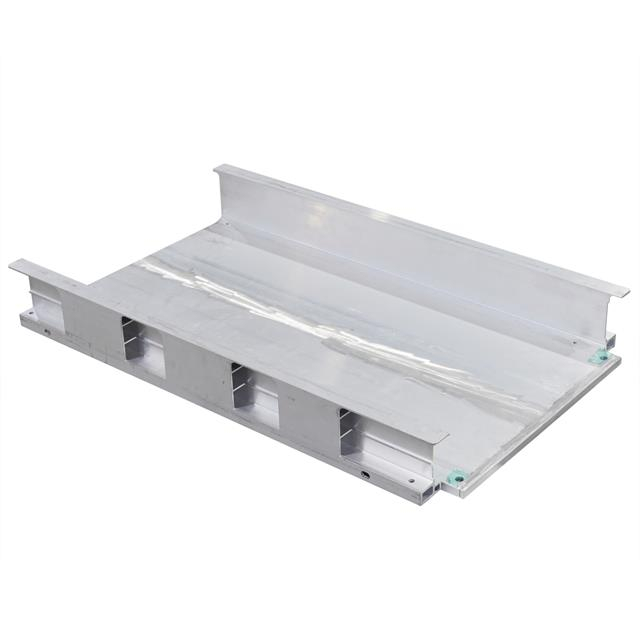
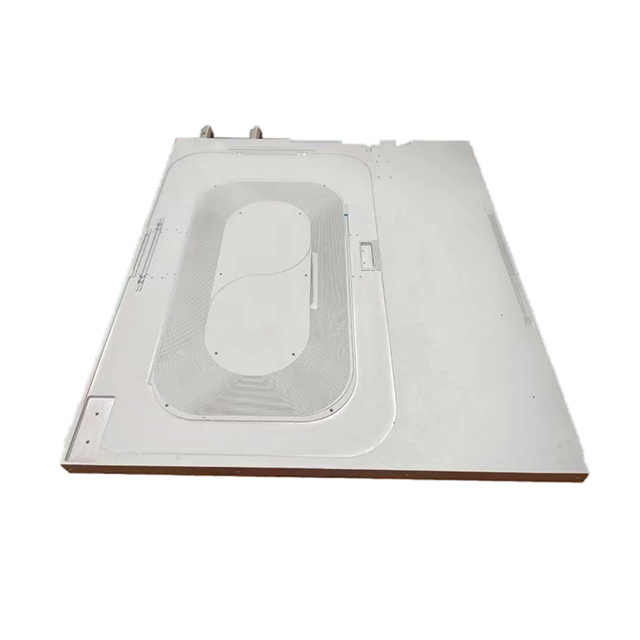
Magnesium alloys are commonly used in seat frames, battery enclosures, instrument housings, and structural brackets to reduce vehicle weight and improve fuel efficiency or EV range.
FSW helps minimize distortion and ensures stable weld quality in thin-wall and lightweight automotive components.
In aerospace applications, magnesium alloys are used for aircraft interior brackets, lightweight support structures, and thin-wall panels.
Friction stir welding provides better control of residual stress and microstructure, which is essential for maintaining reliability in weight-sensitive aerospace systems.
Magnesium is widely used in electronic housings, precision enclosures, and equipment covers due to its excellent strength-to-weight ratio and machinability.
FSW ensures low deformation and clean weld seams, which is critical for precision assemblies and appearance-sensitive products.
For thin sections, curved geometries, and complex structures, conventional welding often leads to distortion or defects.
Friction stir welding enables controlled material flow and stable heat input, making it suitable for high-precision lightweight manufacturing.
Welding magnesium alloys is significantly more challenging than welding many conventional structural metals. Their unique physical and metallurgical properties make them highly sensitive to heat input, process stability, and surface conditions. Without proper control, defects such as distortion, porosity, and cracking can easily occur, leading to inconsistent weld quality.
Magnesium has a strong tendency to react with oxygen and form a surface oxide film. This oxide layer can interfere with bonding and complicate weld formation if surface preparation and heat control are inadequate.
In fusion welding, some magnesium alloys are more sensitive to hot cracking because the weld zone undergoes localized melting and solidification. Shrinkage stresses and metallurgical weakness in the joint area can increase crack risk.
Magnesium alloys generally have a lower melting temperature than many structural materials. This makes them more sensitive to overheating, especially in thin sections or precision parts.
Because magnesium components are often thin and lightweight, excessive heat input can reduce dimensional accuracy. Warping, residual stress, and local deformation are more likely when heat is not controlled carefully.
Cast magnesium parts may already contain porosity, segregation, or local discontinuities before welding. These features can reduce weld consistency and make quality control more difficult.
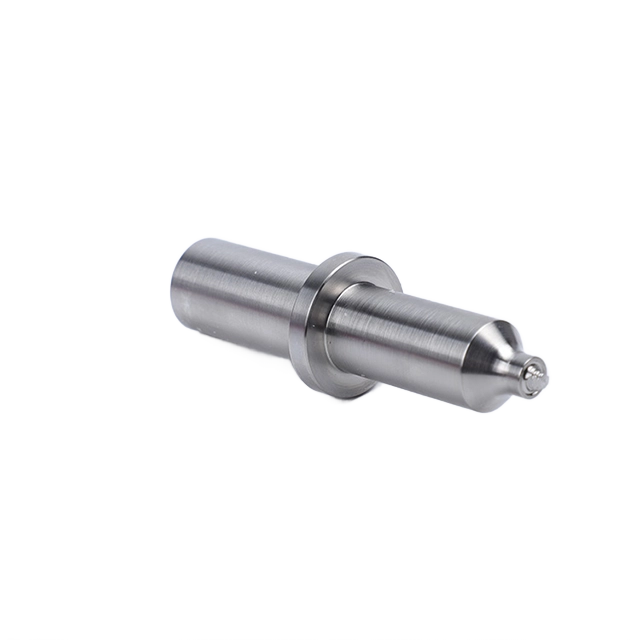
Friction stir welding magnesium is a thermo-mechanical joining process. The rotating tool shoulder generates most of the frictional heat, while the pin stirs the softened material and transports it through the joint line.
Heat is generated through two main mechanisms:
Friction between the rotating tool and the workpiece
Plastic deformation of the magnesium around the tool
Because the process does not melt the material, weld formation depends on controlled softening, plastic flow, and forging pressure behind the tool. This is one reason why an FSW machine must provide stable control rather than simple spindle rotation.
Material flow in magnesium alloys is affected by tool geometry, rotational direction, and local thermal conditions. On the advancing side and retreating side, the material flow behavior is different, which can influence microstructure and weld quality.
Understanding the thermal and mechanical behavior during welding is key to process optimization.
Heat in friction stir welding magnesium is concentrated near the tool shoulder and pin interface. The temperature is not uniform and usually differs between the advancing side and retreating side because of asymmetric material flow.
Excessive heat can cause grain coarsening and reduce joint performance. Insufficient heat can lead to poor material flow and internal defects. Maintaining a suitable thermal window is essential for joint integrity.
FSW generally generates lower residual stress than fusion welding because it avoids melting and resolidification. However, thermal gradients and plastic deformation still create stress in the welded region, which can influence fatigue life and dimensional stability.
During plunging, dwelling, steady welding, and retracting, the material experiences a changing thermal-mechanical cycle. Dynamic recrystallization in the weld nugget refines the grain structure, which often improves strength and ductility compared with fusion welds.
Different magnesium alloy grades do not respond identically to welding. Their composition, product form, and mechanical behavior all influence process stability and weld quality.
Alloy Grade | Typical Form | Key Characteristics | Relevance to FSW |
|---|---|---|---|
AZ31 | Sheet / Plate | Good formability, moderate strength | Widely used in FSW research and thin-wall lightweight structures |
AZ61 | Sheet / Extrusion | Higher strength than AZ31 | Requires tighter parameter control for stable welding |
AZ91 | Casting | High strength, good castability, but prone to porosity | Common in cast parts; FSW helps reduce fusion-related defects |
AM60 | Casting / Structural | Good ductility and impact resistance | Suitable for automotive structural components |
ZK60 | Forged / Extruded | High strength and good mechanical performance | Used in high-performance applications requiring precise weld control |
When joining magnesium alloys in lightweight parts, solid-state welding methods like friction stir welding offer significant advantages over conventional fusion welding. This is especially important in industries where dimensional stability, mechanical performance, and repeatability matter.
FSW is a solid-state process, which means the material is joined without melting. Since peak temperatures remain below the melting point, the base material experiences less thermal expansion and contraction. As a result, the welded parts retain better dimensional accuracy, which is critical for lightweight magnesium components.
Fusion welding can cause grain coarsening and unwanted phase changes because of high heat input. In friction stir welding magnesium, the combination of lower thermal exposure and severe plastic deformation promotes dynamic recrystallization, which refines grains and helps preserve mechanical performance.
Fusion welding magnesium alloys often suffers from porosity, hot cracking, gas entrapment, and incomplete fusion, especially in cast materials. FSW avoids these problems by operating below the melting point. The process reduces gas-related defects and improves material consolidation along the weld line.
FSW magnesium joints often show better tensile strength and fatigue resistance than fusion welds. The refined microstructure and reduced defect population contribute to stronger and more reliable joints, which is especially important for lightweight structural applications.
A more uniform weld zone and fewer internal defects reduce crack initiation sites. This helps improve corrosion resistance and fatigue life in magnesium parts used under service loads.
FSW usually requires lower heat input and does not depend on filler wire or shielding gas in the same way as fusion welding. This can reduce operating cost, energy consumption, and process waste in production environments.
Proper parameter control is essential for maximizing the benefits of friction stir welding magnesium, especially in lightweight parts.
Rotational speed and welding speed control heat input. Increasing rotational speed raises frictional heat and improves material plasticization, but too much heat may cause grain coarsening or flash. Increasing welding speed reduces heat input per unit length, but if heat becomes insufficient, poor bonding or internal defects may occur.
Typical values often cited for magnesium FSW include:
Parameter | Typical Range | Effect on Weld Quality |
|---|---|---|
Rotational speed | 250–1600 rpm | Higher speeds increase heat and flow, but may risk overheating |
Welding speed | 90–600 mm/min | Faster speeds reduce heat input and may increase defect risk |
Axial force | 3–10 kN | Supports tool contact and consolidation |
Tool tilt angle | 1°–3° | Improves forging action and helps reduce surface defects |
These values should not be treated as universal settings. Actual process windows depend on alloy grade, thickness, tool geometry, fixturing, and machine rigidity.
Axial force ensures proper contact between the tool and workpiece, supporting heat generation and consolidation. Too little force can cause weak bonding. Too much force can increase tool wear, flash, or process instability.
A moderate tool tilt angle helps improve forging action behind the tool and promotes better consolidation. If tilt is too small, bonding may be incomplete. If it is too large, surface quality and tool life may be affected.
For magnesium alloys, the relationship between rotational speed, welding speed, and joint quality is nonlinear. Successful welding depends on balancing heat generation with material flow, not simply increasing speed for productivity.
Issue | Likely Cause | Recommended Control |
|---|---|---|
Excessive flash | Too much heat input or excessive axial force | Reduce rotational speed, review travel speed, optimize force control |
Poor bonding | Insufficient heat or poor forging action | Increase heat input moderately, optimize tilt angle and axial force |
Tool adhesion | Inappropriate tool material or poor tool surface condition | Use wear-resistant tool materials or coatings and keep the tool clean |
Grain coarsening | Excessive thermal exposure | Narrow the process window and improve heat control |
Process instability | Poor repeatability in speed or force | Use a rigid, well-controlled FSW machine with stable monitoring |
These issues show that magnesium welding quality depends not only on the alloy, but also on machine capability, tool condition, and parameter stability.
The advantages of friction stir welding magnesium depend not only on the welding principle, but also on machine capability.
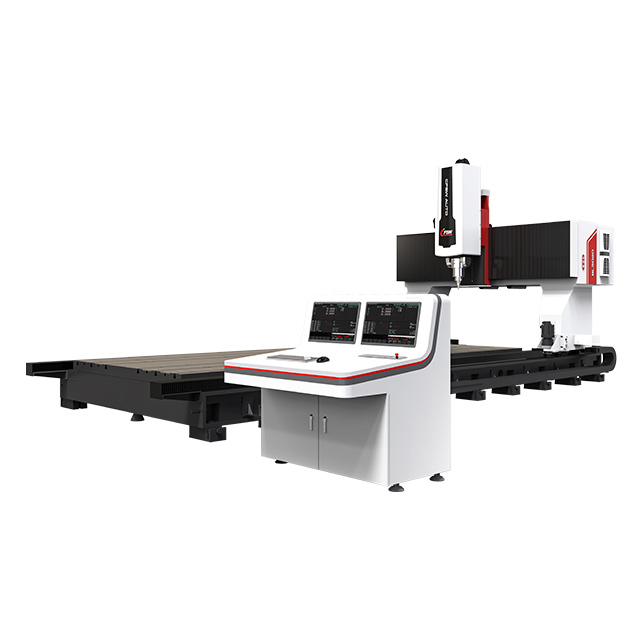
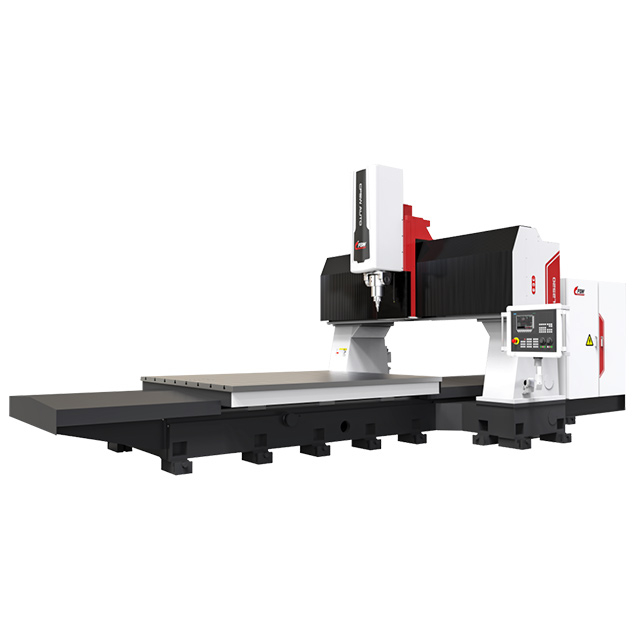
A production-grade FSW machine helps maintain stable rotational speed, welding speed, axial force, and tool position throughout the weld cycle. This matters because magnesium alloys are sensitive to parameter changes, and even small variations can affect heat input and material flow.
In laboratory conditions, some variation can be tolerated. In industrial production, repeatability is critical. A rigid and well-controlled FSW machine supports consistent weld formation, especially when parts must meet dimensional and mechanical requirements.
Robotic and CNC-integrated FSW systems can support longer welds, repeatable batch production, and more complex part geometries. This is especially useful for lightweight magnesium parts with curved seams or 3D structures.
For B2B buyers, the value of an FSW machine is not only the ability to make a weld. It is also the ability to reduce scrap, stabilize production, and improve quality consistency over time.
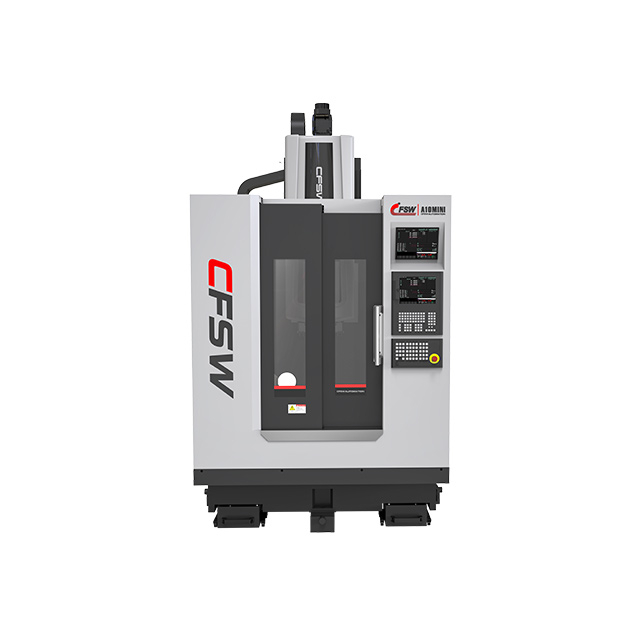
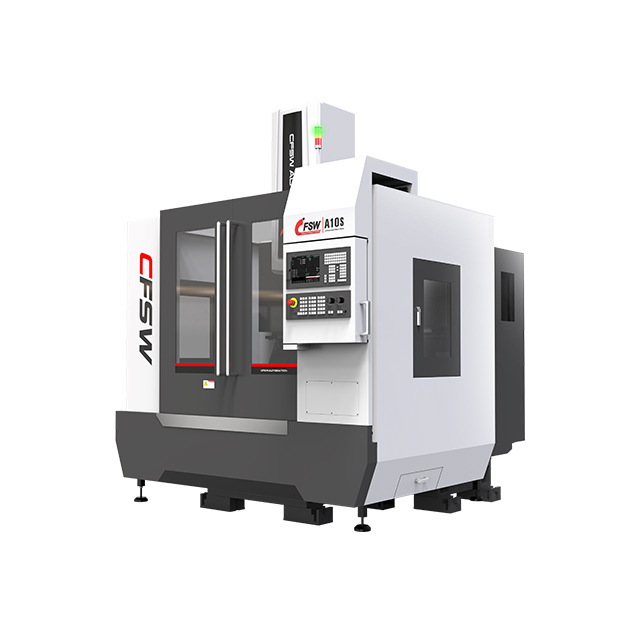
Our friction stir welding equipment is designed to provide stable process control, enabling consistent heat input, reliable material flow, and repeatable weld quality in magnesium alloy applications. Explore our friction stir welding machines for magnesium and lightweight materials to find the right solution for your production needs.
Friction stir welding magnesium provides a strong solution for manufacturers producing lightweight parts that require lower distortion, fewer defects, and better microstructure control than conventional fusion welding can offer. The process is especially valuable because magnesium alloys are difficult to weld with melt-based methods, particularly when oxidation, hot cracking, distortion sensitivity, and cast defects become major concerns.
The production result, however, depends not only on the process principle but also on machine capability. A well-designed FSW machine supports stable heat input, better material flow, repeatable weld quality, and lower defect risk across industrial applications.
For companies evaluating magnesium alloy joining, the right FSW machine is not just a welding platform. It is a process-control solution that helps improve quality consistency, production stability, and long-term manufacturing efficiency. If you are reviewing magnesium welding requirements for lightweight parts, it is worth discussing alloy grade, part geometry, output targets, and process expectations before selecting an FSW machine configuration.
Request a Quote
Friction stir welding magnesium offers lower distortion, refined microstructure, and fewer defects such as porosity and hot cracking. This makes it more suitable for lightweight parts that require stable mechanical performance.
Magnesium alloys are difficult to weld because of oxidation tendency, hot cracking sensitivity, low melting range, distortion sensitivity, and the influence of pre-existing cast defects.
Commonly discussed grades include AZ31, AZ61, AZ91, AM60, and ZK60. These alloys differ in strength, form, weldability, and thermal response, so process settings should be adjusted accordingly.
Rotational speed, welding speed, axial force, and tool tilt angle control heat input and material flow. Their balance determines whether the weld forms a sound, refined, and defect-controlled joint.
An FSW machine provides the process stability needed to control rotational speed, welding speed, force, and positioning. This improves repeatability, lowers defect risk, and supports industrial-scale magnesium welding.
Typical applications include seat frames, battery enclosures, instrument housings, aircraft interior brackets, thin-wall structural panels, and selected precision lightweight assemblies.
Yes. FSW can join dissimilar magnesium alloys more effectively than many fusion methods because it avoids melting-related cracking and segregation problems.