Views: 0 Author: Site Editor Publish Time: 2026-01-27 Origin: Site

Friction Stir Welding (FSW) has revolutionized the manufacturing industry by enabling the creation of joints that are not only stronger but also more reliable. This advanced welding technique leverages precise, real-time data from the welding process, empowering engineers to make data-driven decisions that enhance both the quality and efficiency of the final product. In industries such as new energy vehicles (NEVs) and lightweight structural applications, engineers rely heavily on statistical measures like ultimate tensile strength (UTS) and micro-hardness (HV) to validate and optimize weld integrity.
| Welding Technique | Ultimate Tensile Strength (UTS) | Micro-Hardness (HV) | Description | Application Range | Key Characteristics |
|---|---|---|---|---|---|
| CFSW (Conventional FSW) | 241.5 MPa | 97.3 HV | Standard Friction Stir Welding, commonly used for welding lightweight materials like aluminum and magnesium alloys. | Widely used in aerospace, automotive, and manufacturing industries, especially for aluminum alloys. | Mature technology, well-suited for various material thicknesses, provides strong and reliable joints. |
| TFSW (Transpiration FSW) | 236.9 MPa | 101.3 HV | An advanced version of FSW that incorporates controlled airflow or cooling to reduce heat accumulation and improve welding quality. | Used for materials prone to heat-induced defects, or those requiring specialized cooling during welding, such as high-strength alloys. | Enhanced cooling and air flow control, improves performance for high-temperature and heat-sensitive materials. |
Zhihui Welding leads the industry with cutting-edge innovations in tool design, material selection, and hybrid welding processes. These advancements facilitate the creation of highly robust and reliable connections, particularly in critical applications such as battery trays and structural components for electric vehicles.
Data-Driven Decision-Making for Enhanced Weld Strength: Data-centric decision-making plays a pivotal role in enhancing joint strength and long-term reliability in friction stir welding.
Real-Time Monitoring for Immediate Adjustments: Real-time monitoring of welding parameters allows engineers to make immediate, data-driven adjustments, mitigating defects and ensuring the highest quality welds.
Predictive Analysis of Joint Performance: Through the analysis of material flow, temperature distribution, and real-time sensor feedback, engineers can accurately predict the performance of welded joints under operational stresses, helping to optimize process parameters for optimal outcomes.
Critical Material Selection for Optimal Weld Quality: The selection of appropriate materials and alloys is crucial for achieving desired weld properties. FSW excels in joining a wide range of materials, including lightweight alloys essential for electric vehicle manufacturing.
Advanced Inspection Techniques for Consistent Quality: Innovative, data-backed inspection methods, such as ultrasonic and X-ray testing, ensure that weld integrity is maintained throughout production. These techniques not only help in confirming weld quality but also minimize delays in production by identifying potential issues early.
Continuous Process Improvement: Data analysis plays an instrumental role in continuous process optimization. By analyzing welding parameters and outcomes, manufacturers can improve weld consistency, reduce production costs, and enhance operational efficiency.
Eco-Friendly Manufacturing: FSW's solid-state joining process contributes to more sustainable manufacturing by reducing material waste, eliminating the need for filler materials, and minimizing harmful emissions typically associated with traditional welding techniques.
Machine Learning Integration for Process Optimization: The integration of machine learning algorithms with FSW data enables engineers to refine welding processes, predict outcomes with greater accuracy, and optimize product quality across production lines.
Friction stir welding has transformed how engineers approach process monitoring. The integration of advanced sensors and data acquisition systems allows for continuous tracking of critical parameters. These include rotational speed, welding speed, axial force, torque, and temperature. Engineers also monitor tool traverse speed, pin diameter, shoulder diameter, tool offset, and tool tilt. This comprehensive data collection forms the backbone of fsw in engineering decision-making.
Real-time sensor data enables immediate detection of deviations from optimal welding conditions.
The system can alert operators instantly, reducing the risk of defects and ensuring consistent joint efficiency.
Cloud-based processing and machine learning techniques further enhance the ability to analyze data, providing actionable feedback for process control.
| Key Findings | Implications for FSW Process Control |
|---|---|
| Real-time data acquisition from multiple sensors | Enables immediate feedback and adjustments to maintain optimal parameters |
| Cloud processing of sensor data | Facilitates real-time analysis and control, reducing the likelihood of defects |
| Integration of machine learning techniques | Enhances the ability to infer weld quality and provide actionable feedback |
This proactive approach to process monitoring eliminates the need for manual checks and supports higher joint efficiency across production runs.
The evaluation of mechanical properties during friction stir welding is essential for achieving high joint efficiency. Engineers measure forging forces and other physical responses during the process. These measurements provide direct feedback on weld integrity and help identify any potential weaknesses. By analyzing data related to ultimate tensile strength and micro-hardness, engineers can validate the quality of each weld.
Monitoring mechanical properties ensures that each joint meets strict industry standards.
Data-driven evaluation simplifies inspection routines and reduces production delays.
The focus on mechanical properties supports the goal of maximizing joint efficiency in every application.
FSW in engineering decision-making relies on evidence-based choices. Engineers use the wealth of data collected during friction stir welding to optimize every aspect of the process. This includes selecting the right parameters, adjusting tool geometry, and refining process sequences. The result is a significant improvement in joint efficiency and overall product reliability.
Engineers utilize data such as forging forces and real-time sensor feedback to make informed decisions about weld quality. Non-destructive evaluation methods, developed using these measurable properties, streamline traditional inspection processes. This advancement reduces the time required for quality checks and accelerates production timelines.
Tip: Leveraging real-time data and advanced analytics in fsw in engineering decision-making leads to stronger, more reliable joints and higher joint efficiency.
The importance of data in optimizing joint strength and reliability cannot be overstated. By harnessing the full potential of friction stir welding data, manufacturers achieve superior joint efficiency, minimize defects, and ensure consistent mechanical properties across all welded components.
Selecting the right material is a critical step in any welding process. Friction stir welding stands out because it can join a wide range of metals, especially those used in new energy vehicles and lightweight structures. Engineers use specific criteria to determine if a material is suitable for this solid-state joining method. The table below summarizes these criteria:
| Criteria for Material Compatibility | Description |
|---|---|
| Suitable Materials | Materials that can plasticize and forge under heat and pressure without melting. |
| Unsuitable Materials | Brittle, non-forgeable materials that crack instead of flowing. |
| High-Melting-Point Alloys | Some alloys where tooling wear/cost becomes excessive. |
| Dissimilar Material Combinations | Certain pairs that form brittle intermetallic layers too quickly unless carefully engineered. |
| Commonly Used Materials | Aluminum alloys, magnesium, copper, titanium, and steels. |
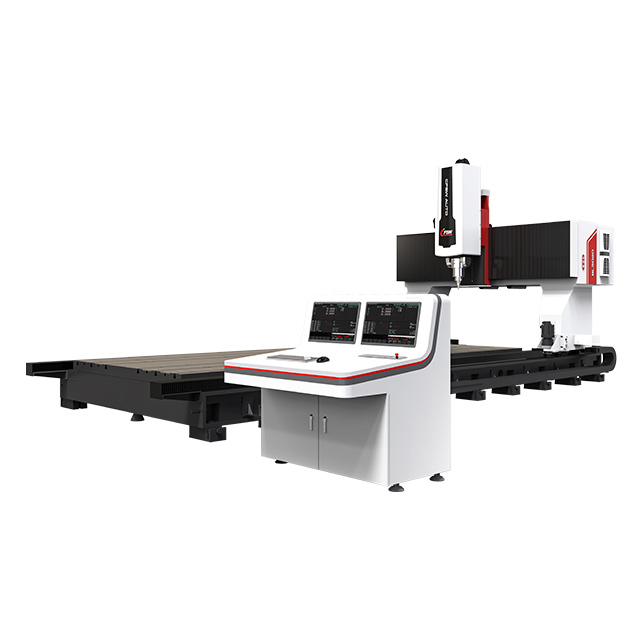
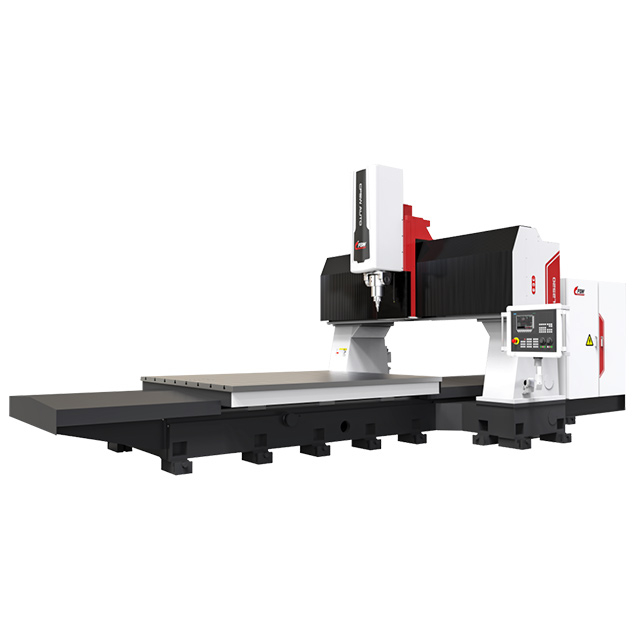
Zhihui Welding's friction stir welding machines are designed to handle these diverse materials. Their technology supports high-quality welding of lightweight alloys and even dissimilar metals, making them ideal for battery trays, cooling plates, and structural parts in NEV manufacturing.
FSW data is invaluable not just during the welding process, but throughout the entire production lifecycle. From design to final inspection, data integration is key to ensuring consistent joint quality.
For instance, during the design phase, engineers can use material flow simulations and thermal analysis to predict how materials will behave under welding conditions. By integrating CAD (Computer-Aided Design) with FSW process data, engineers can better tailor welding parameters based on the geometry and properties of the components being welded.
During the inspection phase, the data collected during welding can be compared with the results of non-destructive testing (NDT) methods like ultrasonic or X-ray inspection. This integration not only accelerates the verification process but also ensures that any deviations from the expected weld performance are detected early, reducing the risk of defects and production delays.
Engineers rely on data from friction stir welding to predict how a joint will perform under real-world conditions. By analyzing material flow, temperature distribution, and plastic strain during the process, they can anticipate the mechanical properties and durability of the final joint. The following table highlights key insights:
| Evidence Description | Key Insights |
|---|---|
| Simulation of material flow and defect formation | Helps predict performance by understanding the effects of welding parameters on mechanical properties and microstructure. |
| Temperature distribution analysis | Provides insights into how different welding conditions affect the thermal behavior of materials, crucial for performance prediction. |
| Heat dissipation studies | Highlights the importance of thermal conductivity in predicting how heat affects the welded joint's performance. |
| Plastic strain predictions | Offers qualitative insights into how deformation during welding impacts the final joint quality, relevant for different materials. |
This data-driven approach allows manufacturers to optimize welding parameters for each material, ensuring joints meet strict safety and performance standards.
Choosing the right alloy is essential for achieving strong, reliable joints. Friction stir welding excels with aluminum, magnesium, and copper alloys, which are common in lightweight and electric vehicle applications. The table below shows how different alloys respond to various welding parameters:
| Workpiece Material | Tool Geometry and Material | Welding Parameters | Properties Analyzed | Remarks |
|---|---|---|---|---|
| AA6061 (A) | HSS | RS—500–2200 rpm, WS—36.25–48.75 mm/min | Hardness, Tensile Strength | Maximum hardness and tensile strength attained at a lower speed |
| 6061-T6 (A) | Tapered thread pin | RS—900 rpm, WS—30–90 mm/min | Hardness, Tensile Strength, microstructure | Higher hardness is achieved at 50 mm/min welding speed |
| AZ31B (B) | Tapered cylindrical | RS—1500, 1800 rpm, WS—100, 120 mm/min | Analysis of joint defects | Best choices are 100 mm/min and 1500 rpm to reduce defects. |
| AZ91 (C) | Thread cylinder pin | RS—710, 1000, 1400 rpm, WS—28, 40, 56 mm/min | Tensile Strength, microstructure | Suitable for welding with high tensile strength at specific parameters. |
Zhihui Welding’s equipment supports complex geometries and multi-material assemblies, giving manufacturers the flexibility to select the best alloy for each application. This capability ensures that every joint delivers the required strength and reliability, even in demanding environments.
Note: Friction stir welding enables manufacturers to achieve optimal material performance while reducing weight and improving energy efficiency in modern vehicles.
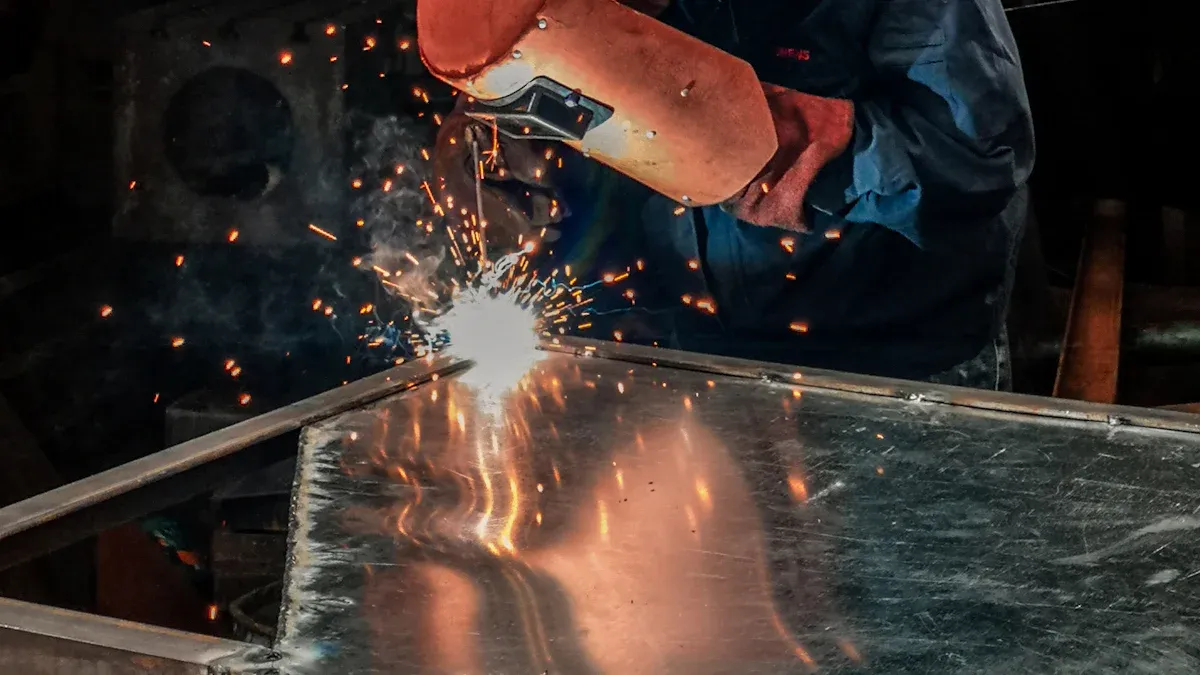
Engineers recognize that process parameters play a decisive role in friction stir welding outcomes. The most influential factors include stir bar diameter, rotation speed, and welding speed. These variables determine weld penetration, surface finish, and the mechanical properties of the joint. Tool design, axial pressure, and tool penetration also contribute to the effectiveness of the weld. The temperature history of the plate and the tilt angle of the tool further affect the final result.
Stir bar diameter controls the amount of material stirred during welding.
Rotation speed influences heat generation and material flow.
Welding speed affects grain structure and surface regularity.
Axial pressure ensures proper forging and defect prevention.
Tool geometry shapes the weld zone and impacts joint strength.
Tip: Careful selection and control of process parameters are essential for achieving defect-free, high-strength welds in friction stir welding.
Modern manufacturing leverages real-time data to refine process parameters during friction stir welding. Sensors monitor temperature, force, and tool position, providing immediate feedback. Artificial intelligence algorithms analyze historical data and current readings to predict welding outcomes. Adaptive control systems adjust speed, pressure, and tool movement on the fly, optimizing weld consistency and quality.
AI-driven analysis identifies optimal parameter combinations for each material and joint design.
Real-time monitoring allows operators to respond instantly to deviations, minimizing defects.
Data-driven adjustments improve heat generation and material mixing, which are critical for weld integrity.
Engineers use these technologies to maintain precise control over the welding process, ensuring that each joint meets strict performance standards.
In addition to the current focus on data and process optimization, it is important to highlight how engineers make specific decisions based on the data available to them. Engineers often rely on structured decision-making frameworks to determine the best welding parameters for each project. Decision Trees, Multi-Criteria Decision Analysis (MCDA), and Cost-Benefit Analysis (CBA) are commonly used to assess different process options. By integrating real-time FSW data, these decision-making tools allow engineers to evaluate multiple criteria simultaneously—such as tensile strength, cost, energy consumption, and material compatibility.
This structured decision-making approach enables a more comprehensive understanding of how data directly impacts engineering choices, ensuring that weld quality is optimized while maintaining cost-effectiveness.
Adjusting process parameters based on data leads to measurable improvements in weld quality. Studies show that higher welding speeds produce finer grain structures, enhancing mechanical properties. Increased rotational speed improves surface regularity and material flow. Tool pin profile also affects tensile strength and microhardness, with square profiles delivering superior results.
| Study | Process Parameters | Observations |
|---|---|---|
| Qin et al. | Traverse speed: 50 mm/min, Rotational speed: 800 rpm, Tilt angle: 3° | Higher resistance to exfoliation corrosion compared to base material |
| Gharavi et al. | Traverse speed: 60 mm/min, Rotational speed: 1000 rpm, Tilt angle: 3° | Lower corrosion resistance than parent material in NaCl solution |
| Ales et al. | Traverse speed: 100 mm/min, Rotational speed: 1000 rpm, Tilt angle: 2° | Severe corrosion in weld nugget region |
| Tool Pin Profile | Input Parameters | Results |
|---|---|---|
| Square | Rotational speed, Welding speed | Enhanced tensile strength, microhardness |
| Circular | Rotational speed, Welding speed | Not specified |
| Triangular | Rotational speed, Welding speed | Not specified |
Engineers observe that insufficient heat during welding can cause poor material flow and defects. Data-driven control of process parameters helps prevent these issues, resulting in joints with superior strength, durability, and corrosion resistance.
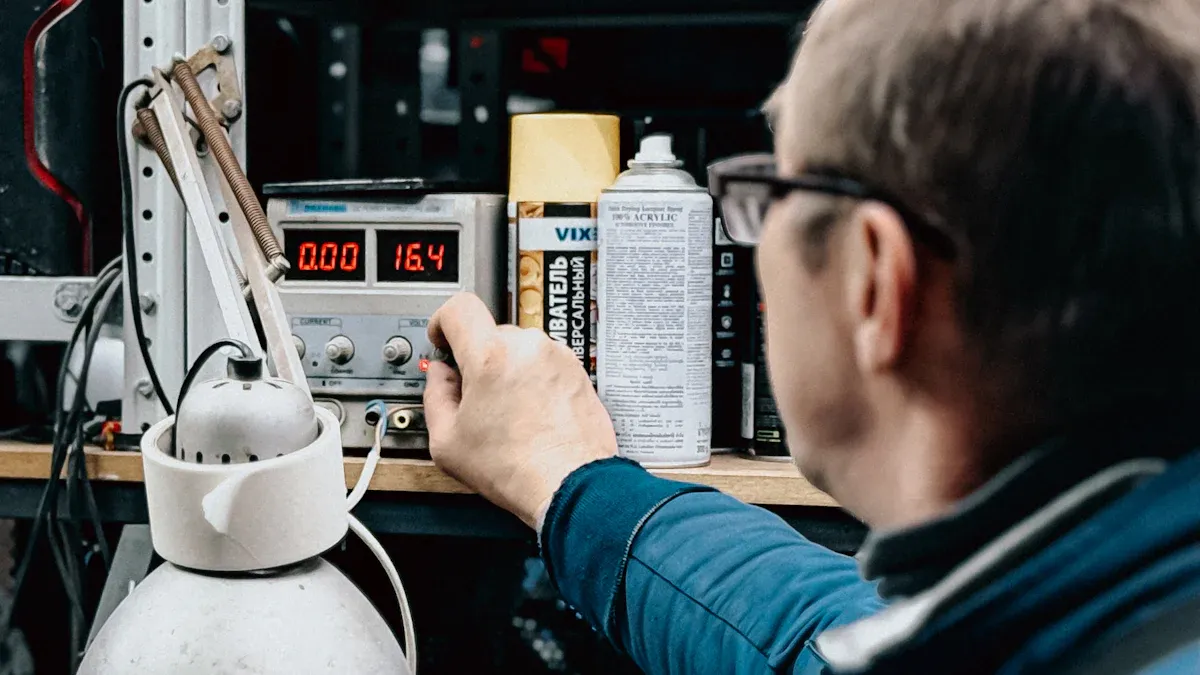
Manufacturers rely on friction stir welding process data to evaluate weld quality and maintain consistency across production. Advanced inspection techniques play a central role in this assessment. Engineers use ultrasonic probes and specialized software to detect potential defects and verify the structural soundness of each weld. The following table summarizes common inspection methods and their purposes:
| Inspection Technique | Purpose |
|---|---|
| 64-element probes with normal water-coupled wedges | Detects longitudinal and oblique defects throughout the weld area |
| 64-element probes with lateral water-coupled wedges | Facilitates detection of transverse defects, ensuring full coverage |
| Side-drilled holes | Used for building the time-corrected gain (TCG) curve for signal loss |
| FocusPC software | Optimizes inspection and enables efficient defect identification |
These methods allow engineers to confirm joint integrity by identifying even minor flaws before components leave the production line. Automated data analysis reduces human error and ensures that every weld meets strict industry standards.
Real-time monitoring forms the backbone of modern quality control in friction stir welding. Multiple sensors track process variables such as temperature, force, and vibration. Deep neural networks analyze this sensory information to predict weld quality as the process unfolds. Operators receive immediate feedback, which enables them to address deviations quickly. The table below outlines key real-time monitoring techniques:
| Technique | Description |
|---|---|
| Multiple Sensors | Continuously monitor the FSW process for quality control |
| Neural Networks | Predict weld quality using sensory data in real time |
| Vibration Monitoring | Assess tool condition and detect potential issues early |
| Process Monitoring Algorithm | Provides real-time feedback in natural language for operator understanding |
| Frequency-based Analysis | Predicts quality markers and allows immediate parameter adjustments |
| Tool Condition Monitoring | Detects tool wear and damage, preventing defects |
| Human-centric Model | Uses computational intelligence for operator feedback |
| Data-driven Model | Predicts quality markers from process variable spectra |
| Early Warning System | Alerts operators for timely maintenance and defect prevention |
This approach ensures joint integrity by minimizing the risk of undetected defects. Continuous monitoring also extends tool life and reduces downtime, supporting efficient and reliable manufacturing.
Data analysis supports ongoing process optimization in friction stir welding operations. Engineers use statistical models to refine operating conditions and enhance weld quality over time. The table below highlights strategies that drive continuous improvement:
| Continuous Improvement Strategy | Description |
|---|---|
| Optimization of Operating Conditions | Predicts optimal parameters for specific alloys |
| Control of Maximum Temperature | Maintains ideal welding temperature for consistent results |
| Minimization of Heat Affected Zone | Reduces HAZ length, improving structural integrity |
| Reduction of Total Welding Energy | Lowers energy consumption during welding |
| Decrease in Welding Time | Optimized parameters enable faster production |
These strategies help manufacturers adapt to new materials and designs while maintaining high standards. Regular review of process data leads to better performance, lower costs, and stronger, more reliable joints.
Tip: Implementing data-driven quality control not only ensures product reliability but also supports continuous innovation in manufacturing.
Engineers rely on data analysis to guide design changes in friction stir welding (FSW) joints. The microstructure that forms during FSW has a direct impact on the mechanical properties of the welded joint. Careful examination of the microstructure helps engineers understand how a joint will perform under different conditions. For example, dynamic recrystallization during welding creates fine, equiaxed grains. These grains increase both the strength and durability of the joint.
Welding peak temperature also plays a critical role. Higher temperatures can cause material softening and larger grain sizes. Lower temperatures result in finer grains. These differences affect important properties such as hardness and tensile strength. By monitoring and adjusting process temperatures, engineers can achieve the desired microstructure for each application. This approach leads to joints that meet strict performance requirements.
Joint geometry is another key factor in FSW design. Data from previous welds allows engineers to optimize the shape and configuration of each joint. For instance, a tailored double-butt-lap configuration can improve heat generation and manage shear stresses during welding. This optimization leads to better material flow and consolidation. As a result, the welded joint becomes stronger and more reliable.
Zhihui Welding's FSW machines support a wide range of joint geometries. This flexibility enables manufacturers to design custom solutions for battery trays, cooling plates, and large structural parts. Engineers can use data to select the best geometry for each application, ensuring that every joint delivers maximum strength and durability.
Note: Optimizing joint geometry based on data not only improves mechanical performance but also supports lightweight design goals in new energy vehicles.
Data-driven methods play a vital role in identifying and reducing defects in FSW joints. The process is stable and controllable, but external disturbances can still introduce defects that are difficult to detect with standard monitoring. Advanced models use real-time data and physics-based analysis to identify issues such as tunnel defects. Experimental validation confirms the reliability of these models.
| Aspect | Description |
|---|---|
| Focus | Real-time defect detection in friction stir welding |
| Method | Physics-based process and defect dynamic modeling |
| Benefits | Improved reliability of detection, reduced inspection costs, enhanced understanding of the welding process |
| Aspect | Description |
|---|---|
| Outcome | Reduction in total cost of FSW by minimizing post-process inspections |
| Understanding | Enhanced knowledge of solid-state FSW process |
| Impact | Accelerated adoption of FSW due to economic and environmental advantages |
Real-time models effectively identify tunnel defects in FSW joints.
Validation through experiments confirms the accuracy of these detection methods.
By integrating advanced data analysis and real-time monitoring, manufacturers can reduce inspection costs and improve overall weld quality. This approach accelerates the adoption of FSW technology and supports sustainable manufacturing practices.
Engineers must ensure that battery trays in new energy vehicles meet strict requirements for strength, thermal management, and weight. FSW data guides decisions on joint configuration, tool path, and process parameters. By analyzing real-time temperature and force data, engineers select optimal welding speeds and tool geometries. This approach helps prevent distortion and ensures uniform weld quality across large, thin-walled trays.
Real-time temperature profiles
Axial force and torque measurements
Weld penetration depth
Post-weld mechanical property data (tensile strength, hardness)
Enhanced joint strength and reliability
Reduced risk of thermal distortion
Consistent weld quality across high-volume production
Improved battery safety and longer service life
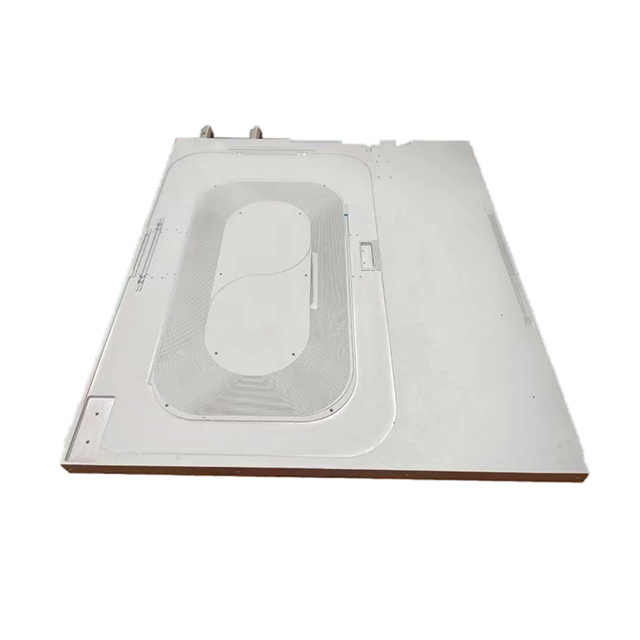
Liquid cooling plates require precise internal channels for efficient heat transfer. FSW data enables engineers to design channel layouts that maximize coolant flow and thermal performance. Data on temperature distribution and material flow helps optimize tool paths and welding parameters, ensuring defect-free joints and minimal material loss.
Material flow simulations
Temperature distribution analysis
Real-time monitoring of weld seam integrity
Inspection data for internal channel quality
Friction stir welding creates internal channels for circulating coolant, which ensures rapid heat absorption and efficient transfer away from high-power electronic components. This process enhances both thermal performance and structural integrity, making FSW liquid cooling plates a superior choice for modern electronics.
| Feature | Description |
|---|---|
| Internal Coolant Channels | Enables precise design without melting base materials, enhancing thermal performance. |
| High-Quality Welds | Solid-state joining results in reliable welds, improving structural integrity. |
| Lightweight Design | Allows for the creation of thin cooling plates (5-7mm), meeting lightweight manufacturing standards. |
| Design Flexibility | Facilitates innovative designs with no visible weld points, enhancing aesthetic and functional aspects. |
| Production Efficiency | Supports rapid mass production with configurable water channels, increasing production capacity. |
Superior thermal performance and structural integrity
Avoids common welding defects found in fusion-welded plates
Ideal for high-performance electronics requiring efficient heat management
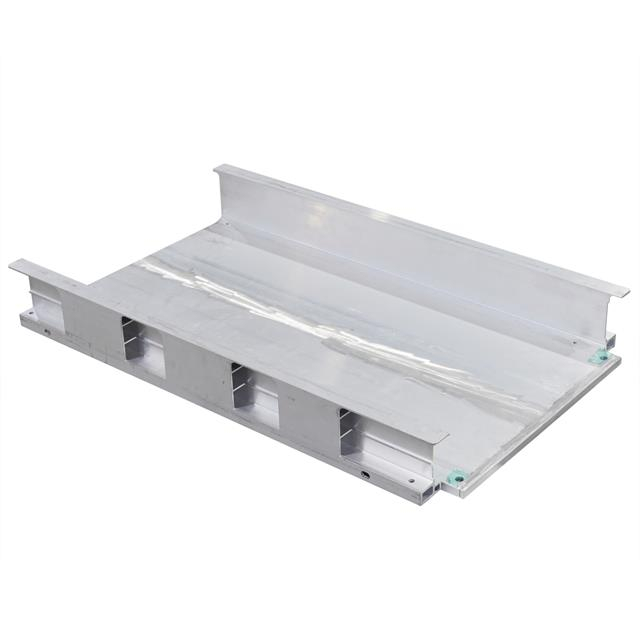
Large structural parts in automotive, aerospace, and rail industries demand joints with high strength-to-weight ratios and minimal defects. FSW data supports decisions on alloy selection, tool design, and process optimization. Engineers use data to adjust welding parameters for different material thicknesses and joint geometries.
Weld quality monitoring (ultrasonic, visual, and mechanical testing)
Process parameter records (speed, pressure, tool rotation)
Post-weld inspection data (corrosion resistance, tensile strength)
| Industry | Application Description | Benefits |
|---|---|---|
| Aerospace | Joining aluminum and titanium alloys for strong, lightweight structures. | Increased structural integrity, reduced defects, faster production cycles. |
| Automotive | Joining aluminum panels and chassis components. | Higher strength-to-weight ratios, shorter assembly times, improved vehicle safety. |
| Shipbuilding | Constructing hulls and structural components from aluminum and steel. | Corrosion resistance, fewer defects, lower maintenance costs. |
| Rail | Assembling car bodies and structural parts, including dissimilar materials. | Consistent weld quality, improved safety, energy efficiency. |
| Electronics | Joining thin metal sheets and components with high precision. | Clean, burr-free welds, minimized thermal distortion, maintaining tight tolerances. |
FSW data continues to influence the evolution of manufacturing practices, enabling industries to achieve higher quality, efficiency, and safety standards.
Data-driven approaches in friction stir welding have set new standards for joint strength and reliability. Engineers can now measure and predict the performance of welded joints with high accuracy. This process uses advanced models and real-time monitoring to ensure each weld meets strict specifications. The following results highlight the improvements:
The ultimate tensile strength of welded joints shows significant gains compared to traditional methods.
Experimental analysis reveals a reduction in Wasserstein distance to 1.0027, which means the data generated closely matches actual weld performance.
The Kolmogorov-Smirnov statistic of 0.0482 demonstrates a strong fit between prediction models and real-world outcomes.
Prediction models achieve a root mean square error of 0.6, confirming their reliability in forecasting joint strength.
These advancements give manufacturers confidence in the durability and safety of their products. Consistent weld quality reduces the risk of failure in critical applications, such as electric vehicle battery trays and structural components.
Data-driven friction stir welding delivers measurable cost savings and boosts production efficiency. Companies across industries have reported substantial improvements by integrating process data into their manufacturing lines.
| Company/Project | Cost Savings | Efficiency Improvement |
|---|---|---|
| Boeing (Delta IV/II) | 60% reduction in costs | Manufacturing time cut from 23 to 6 days |
| US Army (Slipper pallet) | Assembly cost dropped from 61% to 19% | $315 million saved for 140,000 units |
| Hydro Aluminum | 15% fewer man-hours per ton | Enhanced fabrication at shipyards |
| Fjellstrand shipyard | 10% lower fabrication costs | Streamlined production and improved design |
Manufacturers also benefit from reduced material waste, lower labor costs, and faster production cycles. Enhanced energy efficiency further contributes to overall savings. These gains make friction stir welding an attractive solution for high-volume and precision-driven industries.
Sustainability is a core advantage of data-driven friction stir welding. The process eliminates the need for consumables such as filler wire and shielding gas. It also reduces harmful emissions and energy consumption. Manufacturers can optimize material usage and directly reuse metal waste, which supports circular economy practices. Enhanced process efficiency leads to longer product lifecycles and less environmental impact.
Industries focused on electric mobility and renewable energy have adopted friction stir welding for its eco-friendly profile. The technology aligns with global efforts to reduce carbon footprints and promote responsible manufacturing.
Tip: Adopting data-driven FSW not only strengthens products but also supports cost-effective and sustainable manufacturing strategies.
Data quality stands as a critical factor in the success of friction stir welding (FSW) applications. Engineers must address several challenges to ensure reliable data collection and analysis. Deviations in the manufacturing process can impact the appearance and properties of welded samples. Changes in material composition or welding speeds often introduce inconsistencies. Monitoring systems also face challenges. Sensor degradation or environmental changes can affect the accuracy of data acquisition. Post-processing steps, especially when scaling up monitoring systems, may introduce errors in the digital pipeline. The table below summarizes the most common data quality issues in FSW:
| Category | Description |
|---|---|
| Product and Process-related Factors | Deviations in manufacturing processes affecting the appearance of samples, such as changes in material or welding speeds. |
| Monitoring System-related Factors | Issues arising from the sensory setup, including camera degradation or environmental changes affecting data acquisition. |
| Post-processing-related Factors | Changes in the digital processing pipeline that can lead to errors, especially when scaling monitoring systems. |
Engineers must implement robust calibration routines and regular maintenance schedules to mitigate these risks. Automated data validation and redundancy in sensor networks further enhance data reliability.
Integrating FSW data into existing engineering workflows requires careful planning and advanced technology. Machine learning techniques, such as artificial neural networks and support vector machines, have become essential tools. These models can analyze complex relationships between process parameters and weld outcomes. Multi-task learning helps engineers model distortions and predict results with higher accuracy. Data sparsity remains a challenge, as manufacturing environments often yield limited experimental samples. Combining low-fidelity simulations with high-fidelity trials allows for better predictions while managing computational costs.
Machine learning transforms FSW from a basic joining method into a sophisticated, data-driven process.
Real-time data analysis enables immediate adjustments, optimizing weld quality and consistency.
Thorough integration of machine learning enhances process efficiency and supports continuous improvement.
Note: Successful workflow integration depends on collaboration between engineers, data scientists, and operators. Training and clear communication ensure that all team members can leverage FSW data effectively.
While FSW offers significant advantages, certain limitations must be considered. The process excels with materials like aluminum, magnesium, copper, and zinc alloys. However, joining some high-melting-point or brittle materials may present challenges. Tool wear and process parameter selection require careful attention, especially when working with new or dissimilar materials. Data-driven models help identify these limits early, allowing engineers to adjust designs or select alternative methods when necessary.
Engineers must also consider the scalability of FSW solutions. Large-scale production lines demand robust data infrastructure and seamless integration with existing manufacturing systems. Continuous monitoring and process optimization remain essential for maintaining quality as production volumes increase.
Tip: Understanding the boundaries of FSW applications ensures that manufacturers can maximize benefits while minimizing risks.
Friction stir welding data empowers engineers to make precise decisions that enhance joint strength and reliability. Zhihui Welding continues to drive innovation in friction stir welding for new energy vehicles and lightweight manufacturing. Manufacturers who adopt data-driven FSW gain a competitive edge in quality and sustainability. The future of advanced manufacturing depends on smart, evidence-based welding solutions.
Friction Stir Welding is a solid-state joining process. It uses a rotating tool to generate heat and mix materials without melting them. This method produces strong, defect-free joints, especially in lightweight metals.
FSW creates high-strength, low-distortion joints in aluminum and magnesium alloys. These properties are essential for battery trays, cooling plates, and structural parts in electric vehicles. Manufacturers choose FSW for its reliability and efficiency.
Engineers collect real-time data on temperature, force, and tool position. This information helps optimize process parameters. Data-driven adjustments reduce defects and ensure consistent weld quality.
Zhihui Welding's FSW machines handle aluminum, magnesium, copper, and zinc alloys. The machines also support dissimilar metal combinations, making them versatile for various industrial applications.
Stronger, more reliable joints
Reduced production costs
Improved energy efficiency
Eco-friendly manufacturing with minimal emissions
Yes. Zhihui Welding offers FSW machines for thin-walled housings, large structural parts, and intricate weld paths. The technology supports both small-scale and large-scale production needs.
FSW eliminates filler wire and shielding gas. The process reduces energy consumption and emissions. Manufacturers achieve sustainability goals while maintaining high product quality.