Views: 0 Author: Site Editor Publish Time: 2026-01-23 Origin: Site
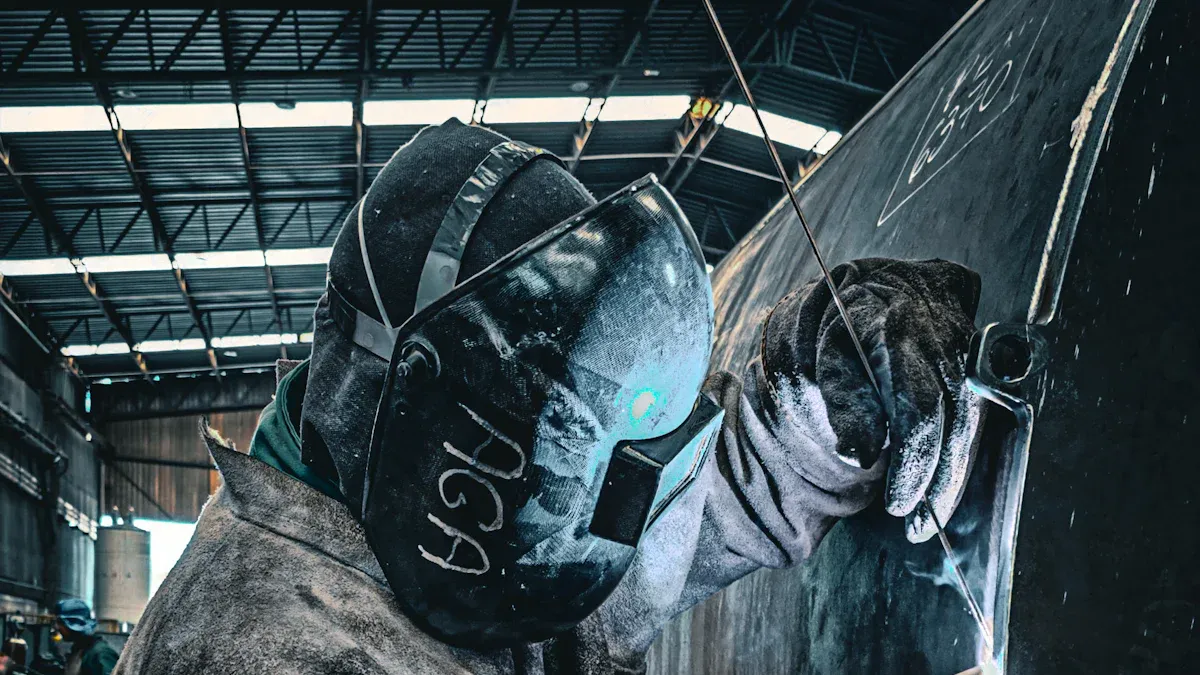
The Friction Stir Welding (FSW) equipment market is entering a phase of robust expansion as industries pivot toward advanced manufacturing paradigms. As of 2026, the technology has transcended niche research applications to become a cornerstone of high-performance production lines.
Valuation Forecast: The global market is strategically positioned to surpass USD 277 million by the end of 2025.
Revenue Growth: Sustained demand is projected to drive total revenues to over USD 363 million by 2030.
Sustained CAGR: The sector demonstrates a resilient Compound Annual Growth Rate (CAGR) of approximately 6% through the end of the decade, signaling high investor confidence and technological maturity.
The surge in New Energy Vehicle (NEV) production remains the primary catalyst for FSW adoption. As automotive manufacturers face stringent regulations regarding range and efficiency, the shift toward lightweight aluminum architectures has become non-negotiable.
Defect-Free Integrity: FSW’s solid-state nature eliminates common fusion welding issues—such as porosity and solidification cracking—which are critical for the hermetic sealing of EV battery trays and liquid-cooling plates.
Material Innovation: The technology enables the reliable joining of high-strength 2xxx and 7xxx series aluminum alloys and dissimilar metals (e.g., Aluminum to Copper), facilitating next-generation busbar and thermal management designs.
Beyond 2026, the industry is witnessing a shift from static equipment to Robotic Friction Stir Welding (R-FSW) systems. This evolution offers:
Enhanced Versatility: Articulated robotic arms integrated with FSW spindles allow for complex 3D weld paths, significantly reducing assembly time for aerospace fuselage panels and curved automotive components.
Sustainability & ESG Compliance: FSW aligns with global sustainability goals by reducing energy consumption by up to 80% compared to traditional methods, while simultaneously eliminating the need for shielding gases, filler wires, and hazardous fumes.
Market leaders are increasingly focusing on turnkey, eco-friendly solutions that integrate real-time data monitoring and AI-driven quality assurance. This focus on "First-Time-Right" manufacturing is reducing scrap rates and operational costs, making FSW a financially superior choice for high-volume NEV applications.
Strategic Conclusion:For manufacturers in the aerospace, automotive, and energy sectors, FSW is no longer an optional innovation but a strategic necessity. The 2026–2030 period will be defined by the mass integration of FSW into automated production environments, cementing its role as the gold standard for high-integrity structural joining.
Friction stir welding is growing fast, with the market expected to reach over USD 363 million by 2030.
Electric vehicles and lightweight materials drive demand for strong, defect-free welds.
Automation and digitalization improve welding efficiency and quality.
The aerospace and automotive industries benefit most from friction stir welding.
Friction stir welding supports sustainability by using less energy and producing no harmful emissions.
Asia-Pacific shows the fastest market growth, with strong investments in advanced manufacturing.
Top companies lead with innovative and eco-friendly solutions.
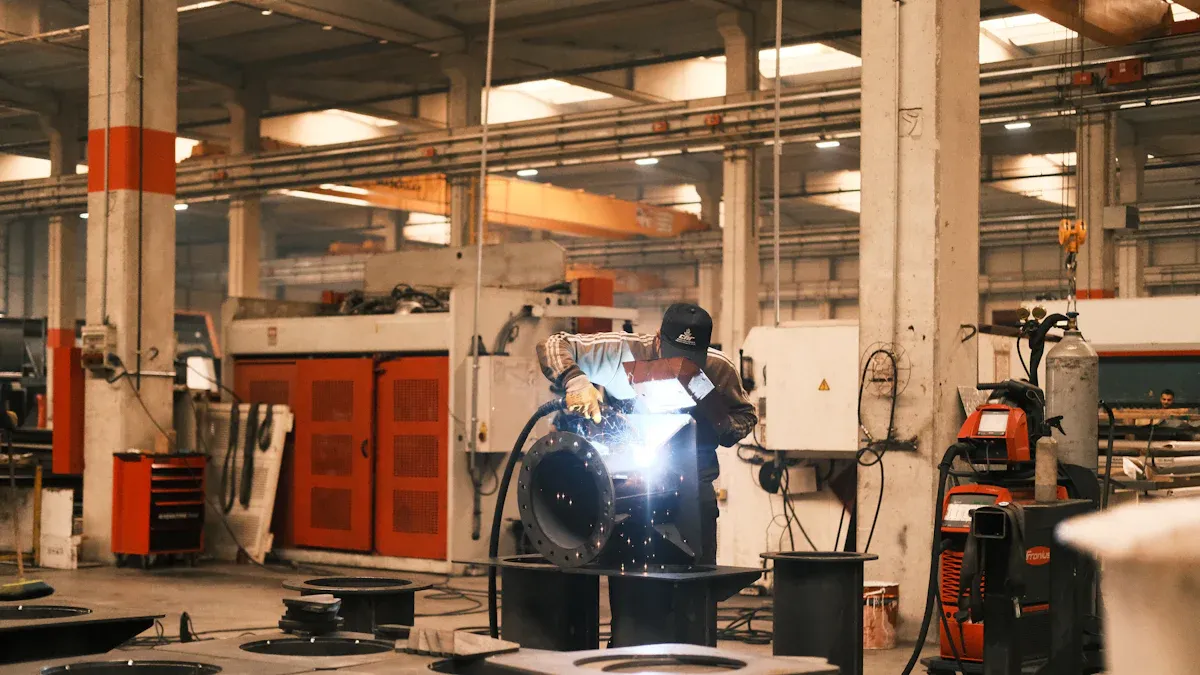
The friction stir welding equipment market continues to expand at a steady pace, reflecting the growing importance of advanced joining technologies in modern manufacturing. The market size 2026-2030 is projected to reach new heights, driven by the increasing adoption of friction stir welding equipment across multiple industries. The following table outlines the key figures and compound annual growth rate (CAGR) for the friction stir welding equipment market over the forecast period:
| Year | Annual Sales (US$ Thousand) | CAGR (%) |
|---|---|---|
| 2024 | 215,900 | — |
| 2025 | 229,502 | 6.3% |
| 2026 | 243,961 | 6.3% |
| 2027 | 259,331 | 6.3% |
| 2028 | 275,669 | 6.3% |
| 2029 | 293,036 | 6.3% |
| 2030 | 311,497 | 6.3% |
The friction stir welding equipment market is forecasted to grow by USD 89.8 million from 2025 to 2030. This growth is supported by a robust CAGR of 6.3% during the forecast period. The market demonstrates resilience and adaptability, responding to the evolving needs of manufacturers in sectors such as automotive, aerospace, and electronics.
The friction stir welding equipment market shows consistent market growth, with a projected CAGR of 6.3% through 2030. This upward trend highlights the increasing reliance on friction stir welding equipment for producing high-strength, defect-free joints in critical applications. The market growth is not limited to a single region or industry. Instead, it spans across North America, Europe, Asia-Pacific, and other emerging markets.
Several factors contribute to this market growth:
The demand for lightweight materials in aerospace and space exploration continues to rise.
Battery tray fabrication in electric vehicles requires advanced welding solutions.
Marine and high-speed railway infrastructure projects increasingly specify friction stir welding equipment for their durability and performance.
The adoption of digital twin technology and Industry 4.0 principles enhances the efficiency and traceability of welding operations.
Note: The integration of automation and digitalization in friction stir welding equipment further accelerates market growth, enabling manufacturers to achieve higher productivity and consistent quality.
Looking ahead to 2026 and beyond, the friction stir welding equipment market is set to benefit from several transformative trends. The global market is expected to surpass USD 277 million in 2025 and reach over USD 363 million by 2030. This expansion reflects the growing importance of friction stir welding equipment in next-generation manufacturing.
The influence of NEV/EV and lightweight industries on the friction stir welding equipment market is significant. The following table summarizes the relationship between these sectors and market expansion:
| Evidence Type | Description |
|---|---|
| Correlation | Strong correlation between FSW market expansion and the growth of the EV sector, crucial for joining battery enclosures and chassis components. |
| Industry Impact | Increasing demand for lightweight materials in automotive and aerospace sectors drives FSW market growth. |
| Transition | Shift from traditional welding methods to FSW due to superior metallurgical properties and environmental benefits. |
Manufacturers in the electric vehicle sector rely on friction stir welding equipment to produce battery enclosures, cooling plates, and chassis components. The aerospace industry also adopts friction stir welding equipment for joining lightweight alloys, improving fuel efficiency and reducing emissions. The transition from traditional welding methods to friction stir welding equipment is driven by the need for superior metallurgical properties and environmental sustainability.
The friction stir welding equipment market will continue to evolve as new applications emerge and technology advances. The integration of automation, digital twin systems, and eco-friendly processes will shape the future of the market. Companies that invest in innovation and adapt to changing industry requirements will maintain a competitive edge in the friction stir welding equipment market.
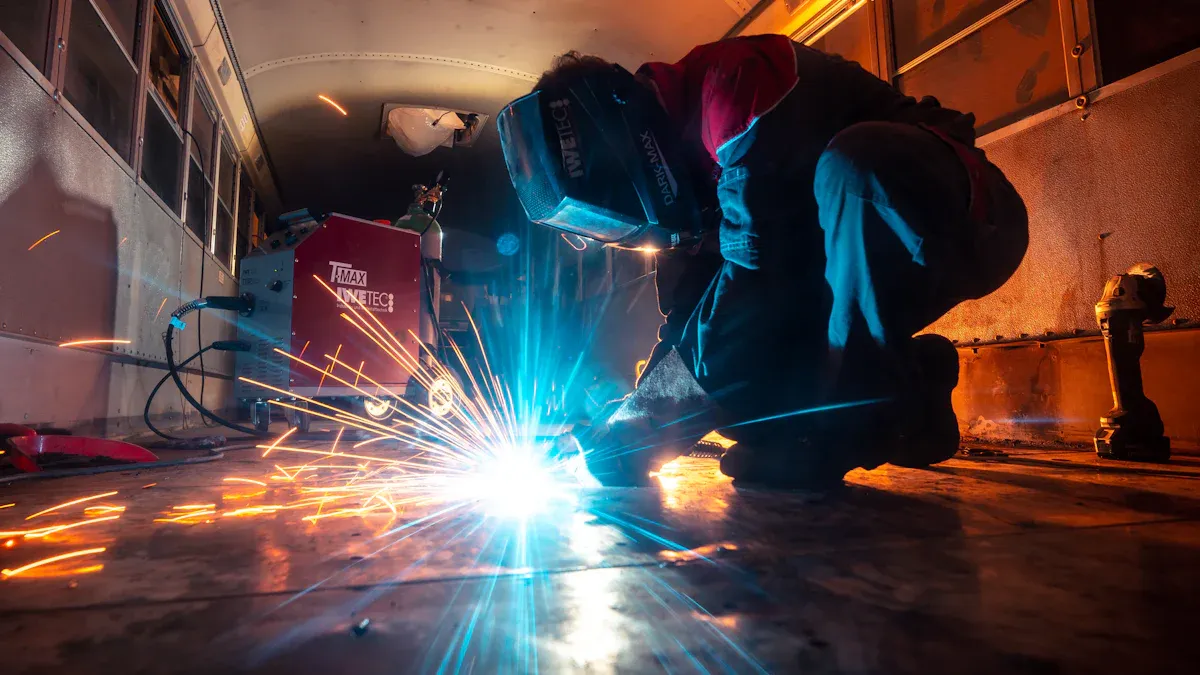
Automation and digitalization are reshaping the friction stir welding tools industry. Manufacturers now deploy advanced robotics and integrated control systems to streamline production. Automated FSW cells enable precise weld path programming, real-time monitoring, and adaptive process control. Digital twin technology supports predictive maintenance and process optimization, reducing downtime and improving consistency. These advancements allow manufacturers to meet the growing demand for defect-free, high-strength welds in sectors such as automotive and aerospace.
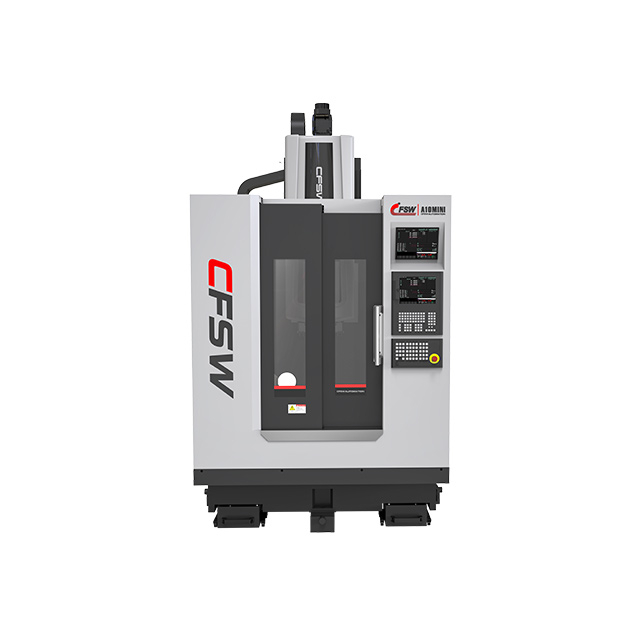
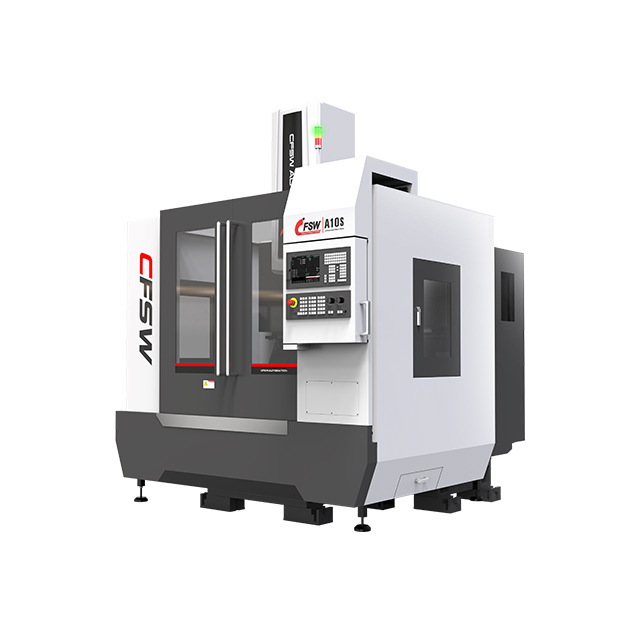
The friction stir welding tools industry continues to innovate with new machine designs and tool materials. Equipment now features enhanced spindle power, improved cooling systems, and modular configurations for flexible deployment. The FSW Machine by Zhihui Welding exemplifies this trend, offering wide welding capabilities for thin-walled housings and large structural parts. Customizable solutions, such as the FSW-A10 Series for small components and the FSW-Robot Series for complex weld paths, address diverse production needs. The following table highlights key technological advancements expected by 2026:
| Advancement | Description |
|---|---|
| High welding quality | FSW produces joints with no pores or cracks and high seam strength, minimizing distortion. |
| Energy efficiency | The process consumes up to 80% less energy compared to traditional welding methods like MIG or laser welding. |
| Material savings | FSW eliminates the need for consumables such as shielding gas and flux-cored wire, leading to cost reductions. |
| Application in battery production | FSW is increasingly used for manufacturing battery trays, cooling plates, and housings for power electronics, crucial for e-mobility. |
Friction stir welding trends show rapid adoption in the NEV/EV sector. Electric vehicle manufacturers rely on FSW for battery trays, cooling plates, and busbars. The process delivers reliable, high-strength joints essential for thermal management and durability. In June 2025, a major U.S. automaker expanded its use of FSW production cells, achieving defect-free joints and reduced material waste. This shift reflects the friction stir welding tools industry's alignment with efficiency and sustainability goals.
The aerospace and rail industries increasingly specify FSW for joining lightweight alloys. FSW ensures exceptional joint integrity and repeatability in fuselage panels, wing structures, and railway car bodies. Long, linear welds on large aluminum panels maintain dimensional accuracy and minimize rework. North America is projected to hold a 36% market share in 2025, driven by aerospace and defense operations and government support. Asia Pacific is expected to grow the fastest, contributing 28% share, fueled by industrial expansion in China and India.
Friction stir welding trends extend to electronics, marine, and industrial sectors. Manufacturers use FSW for heat sinks, power enclosures, and water-cooled motor housings, where joint reliability is critical. The marine industry applies FSW in hull and deck panels, minimizing distortion and enhancing structural performance. Emerging use cases include construction, architectural structures, and dissimilar material joining for functional assemblies. The friction stir welding tools industry continues to diversify, supporting new applications and market segments.
Sustainability remains a central theme in friction stir welding trends for 2026. Solid-state welding processes, such as FSW, offer significant environmental benefits. Manufacturers reduce emissions and eliminate consumables, optimizing material utilization and enabling direct reuse of metal waste. FSW is considered a 'Green Process' due to zero emissions of harmful gases. Enhanced product lifecycle performance and improved process efficiencies further support sustainability objectives. Policy and regulatory support promotes the adoption of eco-friendly and energy-efficient welding technologies, aligning with global sustainability goals.
Friction stir welding trends emphasize the importance of solid-state welding, eco-friendly processes, and product versatility. The friction stir welding tools industry is driven by technological advancements, regulatory support, and the need for sustainable manufacturing solutions. Zhihui Welding and the FSW Machine stand out as examples of innovation, offering customizable, high-performance equipment for diverse industry needs.
The demand for lightweight materials continues to drive significant growth in the friction stir welding equipment market. Automotive and aerospace industries prioritize weight reduction to improve fuel efficiency and meet strict emission standards. Manufacturers increasingly select friction stir welding for joining aluminum and magnesium alloys, which are essential for lightweight vehicle production. Electric vehicle manufacturers rely on this process for components that require both material strength and effective thermal management. The ability to join lightweight metals without sacrificing joint integrity supports ongoing market growth and positions friction stir welding as a preferred solution for advanced manufacturing.
The adoption of advanced welding techniques like friction stir welding is accelerating due to the need for lightweight materials.
Automotive and aerospace sectors focus on weight reduction to achieve better fuel economy and regulatory compliance.
Friction stir welding is ideal for joining lightweight metals, supporting the production of next-generation vehicles.
Electric vehicle components benefit from the process, which ensures strength and thermal performance.
Cost and efficiency advantages play a pivotal role in market growth. Friction stir welding offers several benefits over traditional welding technologies, contributing to increased adoption and sustained growth. The following table summarizes key cost and efficiency benefits:
| Benefit | Description |
|---|---|
| No filler wire or shielding gas | Reduces material costs and simplifies the process. |
| Improved safety | Absence of toxic fumes and molten splatter enhances workplace safety. |
| Lower setup costs | Requires less initial investment and training. |
| Increased welding speed | Faster than conventional processes, leading to higher productivity. |
| Single-pass capabilities | Generates significant cost savings compared to multi-pass techniques. |
| Reduced distortion | Minimizes warping and maintains the integrity of the weld. |
| Low environmental impact | Eco-friendly due to reduced waste and emissions. |
Manufacturers benefit from optimized tool geometries and advanced tool materials, which enable intricate shapes and improved wear resistance. Friction stir welding produces welds with excellent mechanical properties, high strength, and fatigue life. The process minimizes distortion and eliminates porosity, supporting consistent quality and market growth. Automated manufacturing lines and robotic welding cells further enhance productivity, driving growth across multiple sectors.
Friction stir welding is a green process that generates no fumes or spatter and requires less energy than traditional methods.
Increased adoption in automated production environments supports market growth and efficiency.
High initial investment remains a significant challenge for market growth. Specialized machinery, advanced tools, and operator training require substantial upfront costs. Smaller companies with limited financial resources often face barriers to entry. Collaborative industry partnerships can help alleviate these challenges, making friction stir welding technology more accessible and supporting future growth.
Technical barriers also impact market growth. The lack of skilled and qualified workforce, along with improper training, can reduce industry revenue. Technical difficulties in process optimization and equipment maintenance may hinder growth for some manufacturers. Supply chain disruptions and cost volatility add complexity to market operations, while regulatory compliance pressures require ongoing adaptation.
Technical difficulties and workforce shortages can slow market growth.
Supply chain issues and regulatory demands challenge manufacturers seeking consistent growth.
Competing welding technologies present additional challenges to market growth. Manufacturers must evaluate the benefits of friction stir welding against other joining methods. The need for specialized equipment and technical expertise can influence decision-making. Despite these challenges, the unique advantages of friction stir welding continue to support market growth, especially in industries focused on lightweight materials and sustainability.
The friction stir welding equipment market demonstrates resilience in the face of challenges. Ongoing innovation, industry collaboration, and the demand for lightweight solutions drive sustained growth and position friction stir welding as a key technology for future manufacturing.
The friction stir welding market divides into several equipment types, each serving distinct manufacturing needs.
Fixed FSW Equipment: This segment leads the market, holding a 40.1% share in 2023. Manufacturers prefer fixed equipment for large-scale, consistent welds. Production plants rely on these machines for their ability to deliver high-quality joints in high-volume operations. Demand for fixed FSW equipment continues to rise, driven by its reliability and weld integrity.
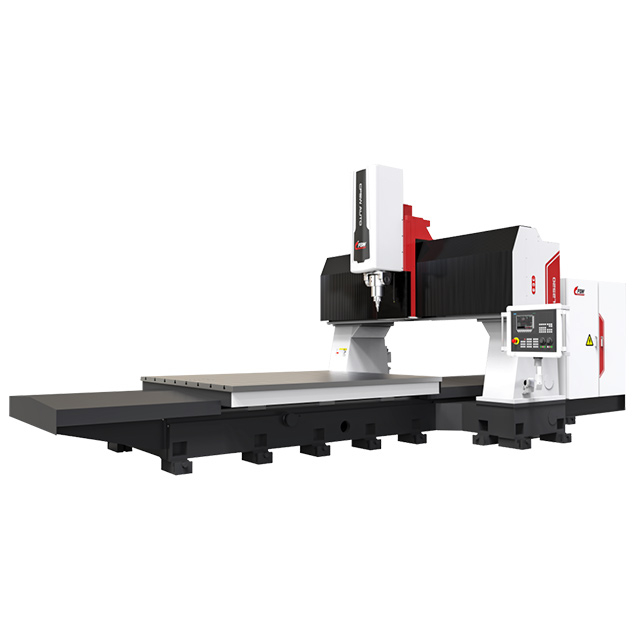
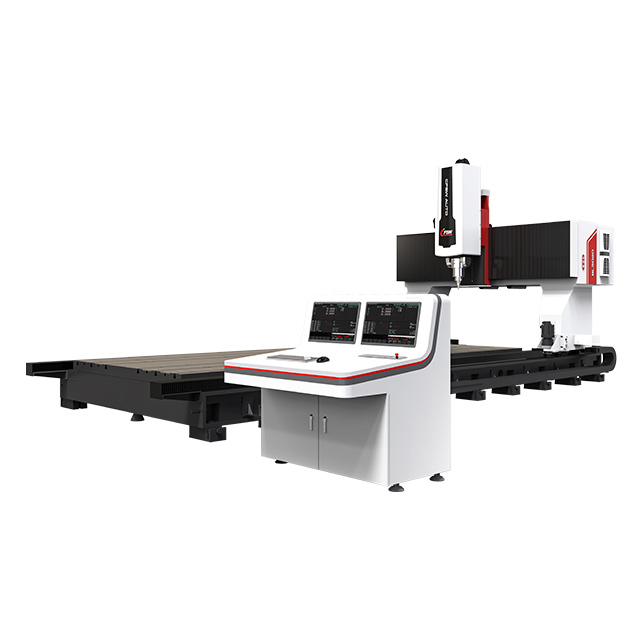
Gantry-Type FSW Machines: Gantry systems offer flexibility for oversized components. Aerospace and shipbuilding sectors use gantry machines to join large panels and structural assemblies. These machines accommodate wide weld paths and complex geometries.
Robot Series FSW Machines: Robotic FSW solutions provide automation for intricate weld paths and customized production lines. Automotive and electronics industries benefit from the adaptability of robot series equipment. Manufacturers achieve precise control and repeatability, enhancing productivity and reducing labor costs.
Tip: Selecting the right equipment type depends on production volume, component size, and required weld quality.
Friction stir welding equipment supports a broad range of applications across multiple industries. The following table highlights major application areas:
| Industry Sector | Application Areas |
|---|---|
| Aerospace | Aircraft components |
| Automotive | Car body assemblies |
| Shipbuilding | Hulls, deck panels, superstructures |
| Electronics | Various electronic components |
| Rail | Railway rolling stock |
| Oil & Gas | Marine structures |
Manufacturers use FSW machines for battery trays, cooling plates, and busbars in electric vehicles. These components require defect-free welds for optimal thermal management and electrical performance. Structural parts, such as chassis frames and large panels, benefit from the process’s ability to produce high-strength joints with minimal distortion.
Commercial and military shipbuilding sectors apply FSW to hulls, deck panels, and marine components. Refrigeration assemblies and electronic enclosures also utilize FSW for reliable, leak-proof seams.
Automotive and new energy vehicle manufacturers drive significant demand for friction stir welding equipment. The process enables lightweight construction and robust battery integration. Electric vehicle production relies on FSW for battery trays, cooling plates, and busbars, ensuring safety and durability.
Aerospace companies adopt FSW for joining aircraft components and fuselage panels. The technology supports weight reduction and enhances fuel efficiency. High-strength welds contribute to improved safety and performance in flight-critical structures.
Shipbuilding industries use FSW for hulls, deck panels, and superstructures. The process delivers consistent weld quality, essential for marine environments. Both commercial and military shipyards benefit from the reliability and efficiency of FSW equipment.
Electronics manufacturers employ FSW for joining heat sinks, enclosures, and various components. The process ensures precise, defect-free seams, supporting the performance and longevity of electronic devices.
Note: Friction stir welding equipment serves diverse industries, offering tailored solutions for specialized applications and production requirements.
North America remains a key region in the friction stir welding (FSW) equipment market. The United States leads with advanced manufacturing capabilities and a strong focus on innovation. Major automotive and aerospace manufacturers invest heavily in FSW technology to improve product quality and production efficiency. The region benefits from a mature industrial base and robust research and development activities. Canada supports the market with its growing automotive sector and investments in sustainable manufacturing. Both countries emphasize the adoption of eco-friendly welding solutions to meet regulatory standards and reduce environmental impact. The presence of leading FSW equipment suppliers and a skilled workforce further strengthens North America's position in the global market.
Europe stands out as a growth hotspot for friction stir welding between 2026 and 2030. The market in this region experiences significant expansion due to a highly regulated environment and a diverse consumer base. Sustainability initiatives drive demand for eco-friendly and high-quality welding solutions. Manufacturers in Germany, the UK, and France prioritize compliance with strict environmental regulations. This focus creates opportunities for advanced FSW equipment that supports green manufacturing practices. The automotive and aerospace industries in Europe continue to adopt FSW technology to produce lightweight, durable components. The region's commitment to innovation and quality ensures steady market growth and positions Europe as a leader in sustainable welding solutions.
Note: European manufacturers often collaborate with technology providers to develop customized FSW systems that address specific industry needs.
The Asia-Pacific region is projected to dominate the friction stir welding market by 2030. Several factors contribute to this rapid growth:
Significant advancements in automotive, railway, aerospace, and defense industries.
Increasing demand for advanced welding technologies across manufacturing sectors.
Expanding infrastructure projects and government support for industrial modernization.
China leads the region with large-scale investments in electric vehicle production and high-speed rail networks. Japan focuses on precision manufacturing and technological innovation, driving adoption of FSW in electronics and automotive applications. India emerges as a fast-growing market, supported by government initiatives to boost domestic manufacturing and export capabilities. The region's dynamic industrial landscape and rising demand for lightweight, high-strength materials fuel the adoption of FSW equipment. Manufacturers in Asia-Pacific seek reliable, efficient, and sustainable welding solutions to maintain competitiveness in global markets.
The friction stir welding (FSW) equipment market in Latin America, the Middle East, and Africa is gaining momentum as manufacturers in these regions seek advanced joining solutions for industrial growth. These markets, while smaller than those in North America, Europe, or Asia-Pacific, show strong potential for expansion due to infrastructure development, automotive investments, and the adoption of new energy technologies.
Latin America stands out as a promising region for FSW adoption. The market generated USD 13.4 million in revenue in 2024 and is projected to reach USD 20.5 million by 2030. This growth reflects a robust compound annual growth rate (CAGR) of 7.3% from 2025 to 2030. Argentina is expected to lead the region with the highest CAGR, driven by increased demand for lightweight manufacturing in automotive and rail sectors. Fixed FSW equipment currently dominates the market, favored for its reliability and suitability for large-scale production. However, robotic FSW equipment is anticipated to experience the fastest growth, as manufacturers look to automate processes and improve efficiency.
Key opportunities in Latin America, the Middle East, and Africa include:
Expansion of automotive and transportation manufacturing, especially in Brazil, Mexico, and South Africa.
Growing investments in renewable energy infrastructure, such as wind turbine and solar panel production.
Increased demand for lightweight materials in construction and shipbuilding.
Adoption of FSW for battery tray and cooling plate fabrication in emerging electric vehicle markets.
Rising interest in robotic FSW solutions to support flexible, high-volume production.
The Middle East and Africa are also witnessing gradual adoption of FSW technology. Industrialization efforts, particularly in the Gulf states and South Africa, drive the need for advanced welding solutions. Manufacturers in these regions prioritize equipment that delivers high-strength, defect-free welds for critical applications in oil and gas, transportation, and energy sectors. The shift toward sustainable manufacturing practices further supports the uptake of FSW, as companies seek to reduce emissions and improve material efficiency.
Note: The Rest of World region offers significant growth opportunities for FSW equipment suppliers. Companies that provide customizable, automated, and eco-friendly solutions are well-positioned to capture market share as industrialization and infrastructure projects accelerate.
The outlook for Latin America, the Middle East, and Africa remains positive. As these regions continue to invest in modern manufacturing technologies, friction stir welding will play a vital role in supporting economic development and sustainable industry practices.
The friction stir welding equipment market features a dynamic mix of established global brands and innovative technology providers. Leading companies continue to shape the industry through advanced engineering, robust service networks, and strategic investments. Notable players include:
ESAB Corporation: Holds the largest market share at 16.35% with $85 million in 2024 revenue. Known for comprehensive welding solutions and global reach.
KUKA AG: Commands a 13.94% share, generating $72.5 million in revenue. Specializes in automation and robotic welding systems.
Manufacturing Technology Inc.: Achieved $60.3 million in revenue, representing 11.6% of the market. Focuses on high-precision FSW equipment.
Beijing FSW Technology Co.: Holds a 10% share with $52 million in revenue. Recognized for innovation in the Asia-Pacific region.
FOOKE GmbH: Generates $48.7 million, accounting for 9.37% of the market. Delivers large-scale gantry FSW systems.
Hitachi High-Tech, Aerospace Industrial Development Corp., Stirtec GmbH, Mazak Corporation, and Concurrent Technologies Corp. also maintain significant market presence.
Zhihui Welding: Stands out for its commitment to innovation, customization, and eco-friendly FSW solutions, especially for NEV and lightweight manufacturing.
Zhihui Welding's FSW Machine exemplifies the trend toward versatile, high-performance equipment tailored for new energy and automotive applications.
The FSW market has seen a wave of strategic activity as companies seek to strengthen their positions and expand capabilities.
In June 2022, TRUMPF introduced the TruLaser Weld 5000, an advanced FSW system designed for high-precision welding across multiple materials.
Leading manufacturers are forming partnerships to enhance technology integration and broaden their customer base.
Mergers and acquisitions remain a key approach for expanding product portfolios and accessing new markets.
These developments reflect the industry's focus on delivering advanced, reliable, and efficient welding solutions to meet evolving customer needs.
Key players in the friction stir welding market employ a range of strategies to maintain their competitive edge. The following table summarizes the most prominent approaches:
| Competitive Strategy | Description |
|---|---|
| Product Innovation | Developing new and improved products to address emerging market demands. |
| Operational Efficiency | Streamlining manufacturing and service processes to reduce costs. |
| Advanced Technology Adoption | Leveraging cutting-edge technologies for enhanced performance and engagement. |
| Strategic Partnerships | Building alliances to expand reach and technical capabilities. |
| Talent Development | Investing in workforce skills to drive innovation and operational success. |
Innovation remains at the core of market leadership. Companies like Zhihui Welding focus on customizable solutions, advanced automation, and sustainable processes. Service offerings, including technical support and application engineering, further differentiate top brands. As the market evolves, the ability to adapt quickly and deliver tailored solutions will define future success.
Friction stir welding continues to evolve, unlocking new growth opportunities across industries. Manufacturers see a forecast of expanding use cases as technology matures. Several emerging applications are expected to drive future market expansion:
Demand for lightweight, high-strength materials in transportation sectors increases every year. Automotive and aerospace companies seek advanced joining solutions for critical components.
Sustainable manufacturing practices gain traction. Companies prioritize processes that minimize waste and reduce environmental impact.
Technological innovations, such as AI and machine learning, optimize welding parameters and improve quality control. These advancements support a forecast of higher productivity and reliability.
Portable and hybrid friction stir welding systems enable flexible deployment in field operations and remote locations.
Manufacturers focus on reducing carbon footprint and improving energy efficiency. These priorities align with global sustainability goals and support a positive forecast for eco-friendly welding solutions.
Additive manufacturing integrates friction stir welding for post-processing and joining complex structures. This trend expands the range of applications and supports a forecast of increased adoption in advanced manufacturing.
Hybrid welding processes combine friction stir welding with other joining methods, enhancing versatility and performance.
IoT-enabled systems provide real-time monitoring and data analytics. These capabilities improve process transparency and support a forecast of smarter, connected manufacturing environments.
The forecast for friction stir welding applications remains strong, with new sectors adopting the technology for its reliability, efficiency, and sustainability.
Manufacturers and investors recognize significant growth opportunities in the friction stir welding market. The forecast for investment and expansion trends highlights several key factors shaping the industry:
| Trend/Factor | Description |
|---|---|
| Demand for Lightweight Materials | The aerospace and automotive industries are driving the need for high-strength, lightweight materials, boosting FSW technology adoption. |
| Government Support | U.S. government initiatives promoting advanced manufacturing and sustainable practices contribute to market growth. |
| R&D Investments | Significant investments in research and development are fostering innovations in FSW technology. |
Intense competition among established and emerging players accelerates innovation. Companies form strategic partnerships to enhance market presence and expand their product portfolios. The forecast indicates a growing emphasis on automation and sustainability, with manufacturers investing in advanced equipment and digital solutions. These trends support a forecast of robust market expansion and increased adoption of friction stir welding technology.
Companies invest in research and development to improve machine performance and process efficiency.
Strategic alliances and collaborations help manufacturers access new markets and customer segments.
Automation and digitalization drive operational improvements, supporting a forecast of higher productivity and cost savings.
The forecast for investment and expansion remains positive, with manufacturers leveraging growth opportunities in emerging markets and advanced manufacturing sectors.
Friction stir welding will see strong growth in 2026, powered by demand for lightweight materials and sustainable manufacturing. Manufacturers should invest in automation and digitalization to stay competitive. Investors can expect steady returns as new applications emerge in NEV, aerospace, and electronics. Industry professionals must focus on process innovation and eco-friendly solutions.
Friction stir welding is a solid-state joining process. It creates strong, defect-free welds in metals like aluminum. This technology is important for industries that need lightweight, durable parts.
Friction stir welding increases production efficiency and weld quality. This drives demand in automotive, aerospace, and electronics. As a result, the market size for advanced manufacturing equipment continues to grow.
Key market drivers include the demand for lightweight materials, the rise of electric vehicles, and the need for sustainable manufacturing. These factors push companies to adopt advanced welding solutions.
Automotive, aerospace, shipbuilding, and electronics industries benefit most. They use friction stir welding to join lightweight alloys and improve product performance.
Top companies in friction stir welding tools market include Zhihui Welding, ESAB Corporation, KUKA AG, and Manufacturing Technology Inc. These brands lead with innovation and reliable equipment.
Friction stir welding uses less energy and produces no harmful emissions. It eliminates the need for filler materials. This supports sustainability and reduces environmental impact.
Asia-Pacific shows the fastest market growth. China, Japan, and India invest heavily in advanced manufacturing. North America and Europe also see strong adoption due to innovation and regulatory support.
Manufacturers should look for automation, digital controls, and customization options. Equipment must handle various part sizes and deliver consistent weld quality.