Views: 0 Author: Site Editor Publish Time: 2026-11-19 Origin: Site
Table of Contents
Friction Stir Welding (FSW) and Vacuum Brazing are two widely used joining methods for aluminum liquid cooling plates. Each process offers different advantages in joint strength, sealing reliability, channel design flexibility, and manufacturing efficiency. FSW uses solid-state welding without filler metal, while Vacuum Brazing joins aluminum components using filler alloys in a controlled furnace environment. Understanding the differences between these two processes helps manufacturers select the right joining method for their cooling plate designs, thermal management requirements, and production needs.
Vacuum brazing is a joining technique where aluminum liquid cooling plate components bond inside a vacuum furnace. The process uses a filler metal with a lower melting point than aluminum. When heated, the filler metal melts and flows into the joint by capillary action. As the assembly cools, the filler solidifies, creating a strong metallurgical bond. The vacuum environment removes oxygen, preventing oxidation and ensuring clean, high-quality joints.
The process relies on molten filler metal wetting the aluminum surfaces and filling microscopic gaps between parts. This wetting produces a continuous bond without gaps or voids. The vacuum atmosphere prevents oxide formation, which usually blocks wetting. As the filler metal cools, it solidifies, forming a durable joint that transfers heat efficiently and resists leaks under pressure.
Vacuum brazing suits aluminum cooling plates with intricate internal channels. The molten filler flows easily into tight, complex shapes unreachable by mechanical welding. This allows designers to maximize channel density and optimize coolant flow paths for better thermal performance. The process also supports thinner plate designs, reducing weight while maintaining strength and sealing integrity.
Feature | Typical Performance |
|---|---|
Heat Flux Density Range | 500 W to 20 kW |
Leakage Rate | < 1 × 10⁻⁸ Pa·m³/s |
Overall Thickness | As thin as 10 mm |
CNC Machining Tolerance | ±0.05 mm |
Material Thermal Conductivity | Up to 200 W/mK (Al/Cu) |
Pressure Drop Reduction | Up to 30% with optimized channels |
Expected Lifespan | Around 20 years |
These metrics make vacuum brazed plates ideal for high heat flux applications requiring reliable, long-lasting thermal management.
Tip: Ensure all surfaces are thoroughly cleaned before vacuum brazing to achieve optimal filler metal flow and joint strength.
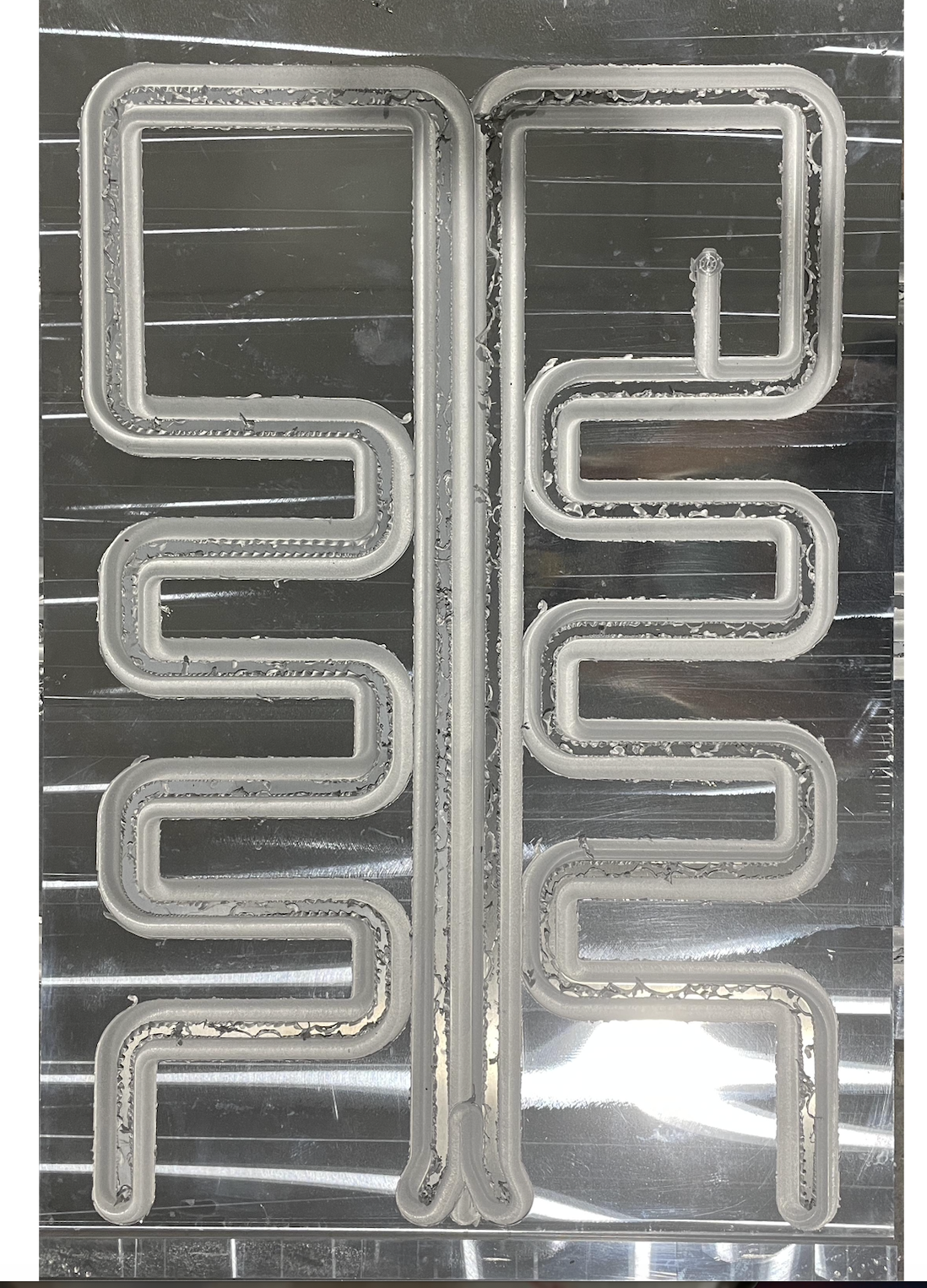
Friction Stir Welding (FSW) is a solid-state joining process. It uses a rotating tool with a specially designed pin and shoulder. The tool plunges into the joint area between two aluminum parts. Frictional heat softens the material without melting it. The tool then moves along the joint line, stirring the softened metal and forging it together under pressure. This creates a strong bond by plastic deformation and dynamic recrystallization, producing a fine-grained microstructure.
Because FSW is a solid-state process, it reduces the risk of solidification-related defects such as porosity and hot cracking. However, proper tool design and process control are still necessary to prevent welding defects. It also creates a narrow heat-affected zone, helping maintain the mechanical properties of the surrounding base material, depending on the alloy and welding conditions. This makes FSW ideal for joining aluminum liquid cooling plates, where heat management and structural integrity are critical.
FSW offers several advantages for liquid cooling plates:
Strong Joint Performance: Properly controlled FSW can produce sound joints with mechanical properties suitable for demanding liquid cooling applications.
Minimal distortion: Low heat input reduces warping, keeping channels precise.
No filler metal or flux: This reduces contamination risk inside coolant channels.
Improved fatigue resistance: Fine grain structure enhances durability under thermal cycling.
Environmentally friendly: No fumes or filler metals needed, simplifying manufacturing.
These benefits help maintain the integrity of coolant channels, ensuring efficient heat transfer and long service life.
FSW creates a continuous, defect-free joint along the channel edges or end plugs. The forged weld zone seals the flow path hermetically, preventing leaks under pressure. The process can achieve pressure resistance above 1.0 MPa, suitable for many liquid cooling systems.
Because the joint is free of pores and cracks, it resists coolant contamination and corrosion. The tight weld also withstands thermal expansion and mechanical stresses, maintaining channel integrity in harsh operating conditions.
FSW cold plates are widely used in:
Power electronics cooling: High-voltage inverters, IGBTs, and power modules.
Data centers: Servers and HPC systems needing reliable cooling.
Energy storage: Battery thermal management in electric vehicles.
Industrial automation: Machinery requiring durable thermal solutions.
Typical performance features include:
Feature | Typical Range / Value |
|---|---|
Pressure Resistance | > 1.0 MPa |
Leakage Rate | < 1 × 10⁻⁶ Pa·m³/s |
Channel Wall Thickness | 1.0–3.0 mm |
Thermal Conductivity | Up to 200 W/mK (Aluminum) |
Operating Temperature | -40 °C to 150 °C |
Expected Lifespan | 10–15 years (depending on use) |
FSW cold plates combine strong mechanical properties and excellent sealing, making them reliable for demanding thermal management tasks.
Friction Stir Welding (FSW) and vacuum brazing join aluminum liquid cooling plates differently. FSW is a solid-state process. It uses a rotating tool to stir and forge metal pieces without melting. This keeps the base metal's properties intact and avoids filler metals or fluxes.
Vacuum brazing melts a filler metal inside a vacuum furnace. The molten filler flows into joints by capillary action, then solidifies to form a metallurgical bond. The vacuum removes oxygen, preventing oxidation. Brazing needs compatible filler metals like aluminum-silicon alloys, while FSW requires no filler.
Thus, FSW relies on mechanical stirring and pressure, while brazing depends on molten filler flow and solidification. This difference affects materials, joint characteristics, and manufacturing steps.
Vacuum brazing excels in complex channel geometries. The molten filler metal flows into tight, intricate internal channels unreachable by mechanical tools. This allows designers to create dense, optimized coolant paths that enhance thermal transfer.
FSW, however, requires access for the welding tool along joint lines. It suits simpler channel layouts or end sealing of extruded profiles. While it produces strong, low-distortion joints, FSW limits channel complexity compared to brazing.
Thermal performance depends on joint quality and channel design. The thermal performance of both FSW and vacuum-brazed cooling plates depends on the base material, joint quality, channel geometry, and coolant flow conditions. FSW forms solid-state joints without filler metal, while vacuum brazing uses filler alloys at the joint interfaces. The overall heat transfer performance should be evaluated based on the complete cooling plate design and application requirements.
Both methods provide reliable sealing but differ in risks. FSW forms a continuous, pore-free joint by plastic deformation, minimizing leak paths and preventing coolant contamination. It avoids filler metals or fluxes, eliminating associated contamination risks.
Vacuum brazing creates hermetic seals via metallurgical bonds. However, improper filler flow or residual flux (if used) can cause voids or corrosion, risking leaks or contamination. Controlled vacuum environments and flux selection mitigate these issues.
FSW generally offers cleaner joints with less contamination risk, while brazing suits applications demanding complex shapes but requires careful process control for sealing integrity.
FSW offers fast, energy-efficient joining without the need for vacuum furnaces or flux application. It reduces post-processing by avoiding filler cleanup. However, it may require precise tooling and is limited to accessible joint paths.
Vacuum brazing processes many parts simultaneously in batch furnaces, ideal for high-volume production. Yet, it demands energy-intensive vacuum equipment, filler metal costs, and flux handling. Complex channel designs may increase machining and setup time.
Hybrid approaches combining FSW and brazing optimize efficiency and cost. For example, FSW seals channels quickly, while brazing joins inlet/outlet fittings in batches, balancing speed and complexity.
FSW cold plates suit environments needing high joint strength, minimal contamination, and moderate channel complexity. These include power electronics cooling, battery thermal management, and industrial automation.
Vacuum brazed plates fit high heat flux applications with intricate channels, such as high-performance computing, aerospace, and defense. They handle complex coolant flow paths and thin plate designs well.
Environmental factors like operating temperature, pressure, and maintenance access influence method choice. FSW withstands thermal cycling and mechanical stress effectively. Brazed plates offer long-term durability but need corrosion-resistant filler and flux choices.
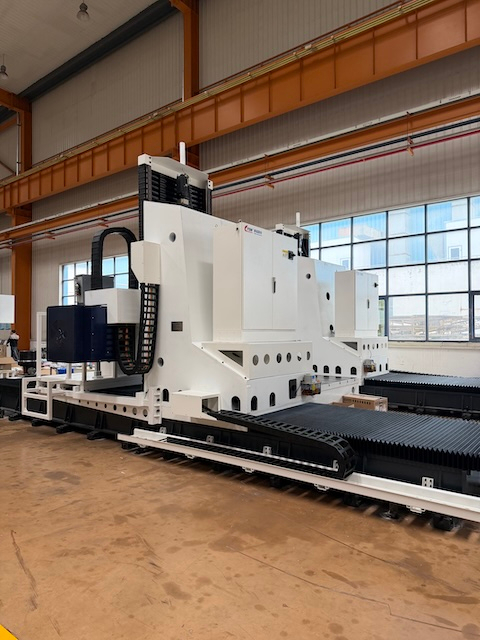
Vansim has pioneered a hybrid manufacturing method combining Friction Stir Welding (FSW) and vacuum brazing to produce aluminum liquid cooling plates efficiently. The process begins with aluminum extrusion, forming complex internal channels in a single step. Then, FSW seals the channel ends using a rotating tool, creating strong, hermetic joints instantly. Afterward, CNC-machined inlet and outlet joints are brazed in a vacuum furnace in batches, bonding multiple parts simultaneously. This division of labor leverages the strengths of both techniques: FSW for rapid, solid-state sealing and vacuum brazing for reliable, metallurgical joints on fittings.
This hybrid approach dramatically boosts production speed. Batch vacuum brazing treats hundreds of parts at once, reducing furnace cycle times and energy costs per unit. FSW sealing of end plugs eliminates the need for complex machining or filler metal inside channels, cutting labor and material expenses. Compared to traditional full CNC machining and arc welding, Vansim's method triples output capacity and lowers costs by 30–40%. The process also uses extruded aluminum profiles, improving material utilization above 95% and avoiding costly forging dies. These efficiencies make large-volume, short-lead-time orders feasible for industries like consumer electronics and energy storage.
Quality assurance is critical. Vansim employs 100% mass leak testing for every cold plate, ensuring zero defects before shipment. FSW’s solid-state welds minimize porosity and cracking, producing narrow heat-affected zones that preserve metal integrity. Vacuum brazing forms dense, hermetic joints with leakage rates below 1.0×10⁻⁶ Pa·m³/s. Together, these methods guarantee sealing reliability and long-term durability under pressure and thermal cycling. Precision post-braze CNC machining ensures flatness within ±0.05 mm, meeting tight mounting requirements for power modules and electronics.
The hybrid process offers excellent design adaptability. Extruded channel cross-sections can be tailored to heat source power and space constraints. End plug positions can shift to fit various installation envelopes with minor structural tweaks. This flexibility supports diverse applications, from high-voltage inverter cooling to large energy storage cabinets and medical laser equipment. Manufacturers can customize flow channel density, size, and layout while maintaining consistent quality and production speed. Vansim’s approach balances thermal performance, sealing integrity, and cost-effectiveness across multiple industries.
Tip: Combining FSW sealing and vacuum brazing batch processing can triple production output while cutting costs by up to 40%, ideal for scaling liquid cooling plate manufacturing efficiently.
In high-performance computing (HPC) and server environments, managing intense heat loads is crucial. Vacuum brazed aluminum cooling plates excel here due to their ability to support complex, high-density internal channels. These intricate designs maximize coolant contact area, efficiently removing heat from CPUs and GPUs. The metallurgical bonds formed during vacuum brazing ensure minimal thermal resistance, helping maintain stable operating temperatures for reliable performance.
FSW cold plates also find use in server cooling, especially when simpler channel geometries suffice. Their solid-state welds provide strong, leak-proof seals without filler metals, reducing contamination risks in sensitive electronics. FSW’s minimal distortion preserves tight tolerances, important for compact rack-mounted servers. For high heat flux applications or compact cooling plate designs, vacuum brazing may be suitable when the required channel geometry and joint configuration support this process.
Electric vehicles (EVs) and hybrid cars rely heavily on liquid cooling plates to maintain battery and power electronics temperatures within safe ranges. FSW is often favored here due to its clean joints free from flux or filler metal residues, which helps prevent coolant contamination—a critical factor for long-term battery reliability.
FSW’s strong, fatigue-resistant joints endure thermal cycling during vehicle operation. It also allows sealing of extruded channel ends without complex furnace processes, speeding production. However, vacuum brazed plates are used in EV battery packs requiring highly intricate channel layouts to optimize coolant flow paths and thermal uniformity. The choice depends on design complexity and production volume.
In aerospace and defense, cooling plates must withstand harsh environments and stringent reliability standards. Vacuum brazing can be suitable for aerospace and defense cooling plates that require compact structures and complex internal channels, subject to the material and qualification requirements of each application. Their long expected lifespan and excellent sealing under pressure suit mission-critical applications.
Industrial automation equipment benefits from both methods. FSW cold plates provide robust joints resistant to vibration and mechanical stress, ideal for heavy machinery. Vacuum brazed plates offer design flexibility for specialized cooling needs in robotics or high-power electronics. Both methods deliver reliable thermal management tailored to demanding industrial conditions.
Emerging markets like 5G telecom, medical lasers, and renewable energy storage increasingly demand efficient liquid cooling solutions. Hybrid FSW-brazing processes enable scalable production of customized plates balancing cost and performance. Advances in extrusion and welding techniques allow more compact, lightweight designs.
Future trends include integrating sensors for real-time thermal monitoring and adopting environmentally friendly coolants. Both FSW and vacuum brazing will evolve to meet these needs, supporting higher heat fluxes and more complex geometries. Manufacturers must choose joining methods aligned with application requirements, production scale, and reliability expectations.
Tip: For applications needing intricate channel designs and highest thermal performance, vacuum brazing is ideal; for contamination-sensitive or mechanically demanding environments, FSW offers cleaner, stronger joints.
Brazing fluxes are chemical compounds applied to metal surfaces before brazing. They remove oxide layers that naturally form on aluminum and other metals at high temperatures. Oxides block molten filler metal from flowing and bonding properly. Flux dissolves or breaks down these oxides, exposing clean metal surfaces. This allows the molten filler to wet and fill the joint by capillary action, creating a strong metallurgical bond. Flux also protects the joint area from re-oxidation during heating by forming a liquid shield, ensuring consistent wetting and flow.
Flux is essential in brazing processes done in open air or non-controlled atmospheres, where oxygen causes oxide formation. Without flux, joints suffer from poor filler metal flow, voids, and weak bonds. However, in vacuum brazing, the oxygen is removed by the vacuum environment, preventing oxide formation. This means flux is generally not required in vacuum brazing of aluminum cooling plates. The vacuum itself acts like a flux by eliminating oxygen and keeping surfaces clean. Some self-fluxing filler alloys also do not need flux. But if brazing happens in atmospheres with limited oxygen control, or if complex alloys are involved, flux may still be necessary.
Choosing the right flux depends on:
Base metal type: Aluminum forms a tough oxide layer needing aggressive fluxes containing chlorides or fluorides. Copper or steel require milder borate or fluoride fluxes.
Filler metal alloy: Aluminum-silicon fillers need flux compatible with aluminum oxides. Silver or copper-based fillers pair with different flux chemistries.
Brazing temperature: Flux must remain active throughout the brazing cycle. Too low a melting range causes carbonized residue; too high limits oxide removal.
Post-braze cleaning: Some flux residues are corrosive and must be removed promptly. Others, like non-corrosive Nocolok™ flux, can remain on joints.
For aluminum liquid cooling plates brazed in vacuum, non-corrosive fluxes or no flux at all are preferred to avoid contamination and corrosion.
Several standards classify and regulate brazing fluxes:
AWS A5.31M/A5.31: Widely used in the US and internationally, it categorizes fluxes by temperature range, base metals, and filler metals.
EN 1045: European classification system aligning closely with AWS standards.
ISO 17672: International standard covering filler metals and flux compatibility.
Other national standards: JIS (Japan), DIN (Germany), GB/T (China), and GOST (Russia) specify flux properties for regional markets.
These standards ensure fluxes meet performance, safety, and residue requirements critical for reliable brazed joints.
Flux selection directly affects joint integrity:
Proper flux removes oxides thoroughly, enabling complete filler metal flow and strong, hermetic bonds.
Incorrect or insufficient flux leads to voids, incomplete wetting, and weak joints prone to leaks.
Corrosive flux residues can attack the joint or coolant channels if not fully cleaned, risking long-term corrosion and failure.
Non-corrosive fluxes reduce cleaning needs and improve corrosion resistance but may have narrower application ranges.
In vacuum brazing aluminum liquid cooling plates, avoiding flux or using non-corrosive fluxes helps maintain corrosion resistance and coolant purity. This ensures long service life and consistent thermal performance.
Choosing between Friction Stir Welding (FSW) and vacuum brazing depends on several key factors. First, consider the complexity of the cooling channel design. Vacuum brazing handles intricate, high-density channels better because molten filler metal flows into tight spaces unreachable by mechanical tools. FSW suits simpler geometries or sealing extruded channels' ends.
Material compatibility and contamination risk also matter. FSW uses solid-state welding with no filler or flux, reducing contamination risks inside coolant paths. Vacuum brazing involves filler metals and sometimes fluxes, which require careful control to avoid corrosion or contamination.
Production volume and cost influence the decision too. FSW offers fast, energy-efficient joining without vacuum equipment but needs accessible joint paths. Vacuum brazing can process many parts simultaneously in batch furnaces, lowering per-unit costs for large runs but requires more energy and setup.
Lastly, consider the operating environment. Applications needing strong joints, minimal distortion, and resistance to thermal cycling may favor FSW. High heat flux scenarios demanding complex channel layouts often prefer vacuum brazing.
Heat flux demands and channel design complexity go hand in hand. Vacuum brazing supports heat flux densities up to 20 kW by enabling dense, optimized channel geometries. Its metallurgical bonds ensure excellent thermal conductivity across complex shapes.
FSW cold plates typically handle moderate heat fluxes, around 500 W to a few kW, depending on design. While FSW joints preserve base metal conductivity, channel complexity is limited by tool access. Designers must balance channel density and weld accessibility.
If your application involves very high heat flux or intricate coolant paths, vacuum brazing is often the better choice. For less complex channels or moderate flux, FSW provides reliable sealing with fewer contamination risks.
Space constraints and environmental factors affect joining method choice. Vacuum brazed plates can be made very thin (down to 10 mm or less), aiding compact installations. Their complex channels fit tight spaces in aerospace or HPC equipment.
FSW plates may have slightly thicker walls due to extrusion and welding tool limitations but offer excellent mechanical strength and fatigue resistance. They perform well in vibration-prone or thermally dynamic environments, such as automotive battery packs or industrial machinery.
Consider operating temperature ranges too. Both methods suit typical electronics cooling (-40 °C to 150 °C), but vacuum brazed joints may handle slightly higher temperatures depending on filler metal.
Long-term reliability depends on joint integrity, corrosion resistance, and maintenance ease. FSW creates pore-free, flux-free joints, reducing corrosion and contamination risks inside coolant channels. This lowers maintenance needs and extends service life, especially where coolant purity is critical.
Vacuum brazed joints offer durable metallurgical bonds but require careful flux selection and cleaning to prevent corrosive residues. Improper brazing can lead to voids or leaks over time. However, brazed plates often last 20 years or more in stable environments.
Maintenance access and repairability also matter. FSW joints are generally more robust against mechanical stress and thermal cycling. Brazed plates may be more sensitive to damage during handling or rework.
Aspect | FSW | Vacuum Brazing |
|---|---|---|
Joining Process | Solid-state mechanical welding | Molten filler metal in vacuum |
Channel Complexity | Moderate (tool access required) | High (complex internal channels) |
Contamination Risk | Low (no filler or flux) | Moderate (requires flux control) |
Thermal Performance | Good, depends on base metal | Excellent, optimized filler flow |
Production Efficiency | Fast, no vacuum needed | Batch processing, energy intensive |
Cost | Lower tooling, higher setup | Higher equipment and material cost |
Joint Strength & Durability | High, fatigue resistant | High, with proper flux and cleaning |
Maintenance | Low contamination, easier upkeep | Flux residues may require cleaning |
Suitable Applications | Battery cooling, industrial automation | HPC, aerospace, EV batteries with complex channels |
Friction Stir Welding (FSW) and vacuum brazing each offer distinct benefits for aluminum liquid cooling plates. FSW provides strong, clean joints with minimal contamination, ideal for simpler designs. Vacuum brazing excels in complex channel geometries, delivering excellent thermal performance and durability. Future advancements will enhance these technologies for diverse applications. Engineers should consider channel complexity, contamination risk, and production needs when choosing the joining method. Dongguan Zhihui Welding Technology Co., Ltd. provides FSW-related welding solutions and technical support for aluminum liquid cooling plate manufacturing, helping customers match joining processes to their product structures and production requirements.
A: FSW uses solid-state welding without melting, ideal for simpler channels and low contamination risk. Vacuum brazing melts filler metal in a vacuum, enabling complex channel designs with excellent thermal performance.
A: Vacuum brazing creates strong metallurgical bonds in complex internal channels, enhancing heat transfer and allowing thin, lightweight plate designs.
A: FSW offers strong, pore-free joints without filler metals or flux, reducing contamination and distortion, suitable for moderate heat flux and simpler geometries.
A: FSW requires less energy and no vacuum equipment, lowering costs for small to medium runs, while vacuum brazing supports batch processing but involves higher equipment and material expenses.
A: Both methods provide reliable sealing; FSW produces continuous, pore-free joints without flux, minimizing contamination, while vacuum brazing requires careful flux control to avoid voids and corrosion.