Views: 0 Author: Site Editor Publish Time: 2026-09-30 Origin: Site
Table of Contents
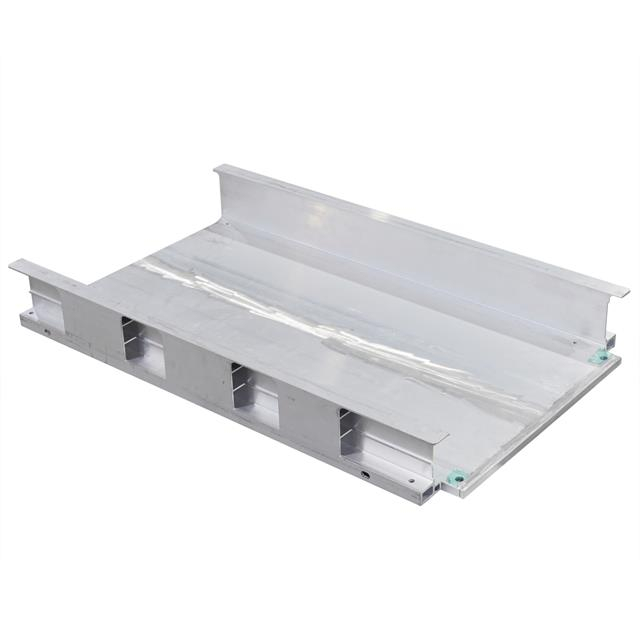
EV battery tray leak testing is essential for ensuring the sealing integrity and safety of electric vehicle battery enclosures. Even small leaks in welded joints or sealing interfaces can allow moisture and contaminants to enter, potentially affecting battery performance and reliability.
For aluminum EV battery trays, welding quality plays a critical role in preventing leakage. Friction stir welding (FSW) helps manufacturers produce consistent, high-integrity joints while reducing certain welding defects and thermal distortion.
In this article, we explore common EV battery tray leak testing methods, industry standards, and failure causes, as well as how FSW technology can help improve battery tray sealing reliability.
Ensuring the integrity of EV battery trays requires precise leak testing methods. Several techniques help detect leaks early, preventing battery damage and safety risks. Let’s explore the most common methods used in the industry.
Pressure decay testing involves pressurizing the battery tray with air or gas, then monitoring pressure changes over time. A pressure drop beyond the specified acceptance limit may indicate leakage. This non-destructive method is suitable for production-line inspection and can be automated. However, temperature fluctuations, test volume, and stabilization time must be carefully controlled to ensure accurate results.
Vacuum decay testing works by creating a vacuum inside a sealed battery tray or test chamber and monitoring pressure changes over time. A pressure rise may indicate leakage. This non-destructive method can be suitable for certain battery enclosure designs, depending on their structural strength and test configuration. Proper fixture design and pressure control are essential to prevent deformation and ensure reliable measurements.
Tracer gas testing uses gases such as helium or suitable hydrogen-containing mixtures to detect small leaks. Specialized detectors identify escaping tracer gas and help locate leakage paths in welded joints, sealing interfaces, and complex battery tray structures. This highly sensitive method is particularly useful for investigating potential welding defects in aluminum EV battery trays, although it requires specialized equipment and controlled testing conditions.
Bubble emission testing involves submerging the battery tray in water or applying a soap solution, then pressurizing it. Leaks produce bubbles visible to the naked eye or cameras. This method is simple and cost-effective but less sensitive than gas-based tests. It’s often used for initial or rough inspections.
Method | Sensitivity | Equipment Complexity | Test Speed | Best Use Case |
|---|---|---|---|---|
Pressure Decay | Depends on test setup | Low–Medium | Generally fast | Production-line leak inspection |
Vacuum Decay | Depends on test setup | Medium | Moderate | Suitable sealed enclosures |
Tracer Gas | Very high potential | High | Varies | Small-leak detection and weld inspection |
Bubble Emission | Mainly qualitative | Low | Varies | Visual leak localization |
Each method has strengths. Choosing depends on tray design, required sensitivity, and testing environment.
Tip: Select leak testing methods based on battery tray design complexity and sensitivity needs to ensure accurate detection and maintain safety standards.
EV battery tray leak testing should follow validated inspection procedures and manufacturer-specific quality requirements. Several international standards support testing accuracy, production quality, and battery enclosure reliability.
For example, ASTM E515 provides procedures for detecting leaks using bubble emission techniques, while ISO/IEC 17025 establishes competence requirements for testing and calibration laboratories. ISO 16232 addresses automotive component cleanliness rather than leakage performance.
Manufacturers should distinguish between leak detection standards, automotive quality management systems, and battery safety requirements when developing inspection procedures.
The automotive industry requires reliable battery enclosure sealing to protect sensitive components from moisture, dust, and environmental exposure. IATF 16949 supports automotive quality management and manufacturing process control, while UL 2580 addresses broader electric vehicle battery safety requirements.
Specific battery tray leak testing procedures, acceptance limits, and inspection frequencies are typically defined by OEM specifications and validated engineering requirements.
For aluminum battery trays, manufacturers should also monitor welding quality, joint integrity, and dimensional consistency to reduce potential leakage risks during production.
Effective quality assurance protocols include initial sample testing, in-line production checks, and final inspections. Protocols define acceptance criteria, test frequency, and corrective actions for leaks. Automated data logging and traceability enhance reliability and regulatory compliance. Regular audits ensure testing aligns with evolving standards and customer requirements.
For aluminum battery trays manufactured using friction stir welding (FSW), quality records can also include welding parameters, inspection results, and production traceability data. Linking leak test results with welding process records helps manufacturers identify potential defects and improve manufacturing consistency.
Tip: Define battery tray leak testing requirements according to OEM specifications and validated test procedures. For welded aluminum battery trays, combining leak test records with welding process data can improve quality traceability and support root cause analysis.
Material defects often cause leaks in EV battery trays. Imperfections like micro-cracks, porosity, or inclusions in plastics or metals create weak points. These flaws allow gases or liquids to escape, compromising battery safety. Material suppliers must ensure raw materials meet strict quality standards. Using advanced inspection tools like ultrasonic testing helps detect hidden defects early.
Welding quality plays a critical role in the sealing performance of aluminum EV battery trays. Improper welding parameters, insufficient material consolidation, and poor joint alignment can create defects that increase leakage risks.
In friction stir welding (FSW), common defects that may affect joint integrity include:
Tunnel Defects: Insufficient material flow can create internal voids along the weld seam. Connected defects may form leakage paths.
Incomplete Joint Penetration: Insufficient tool penetration can leave unbonded regions that compromise joint integrity.
Kissing Bonds: Inadequately bonded interfaces may reduce joint strength and be difficult to detect through visual inspection.
Welding Distortion: Improper clamping or process control can affect battery tray flatness and sealing surface alignment.
Inconsistent Welding Parameters: Variations in rotation speed, welding speed, or axial force can reduce weld consistency.
Compared with conventional fusion welding, FSW reduces the risk of solidification-related defects and excessive thermal distortion. However, stable machine performance, suitable tooling, and optimized welding parameters remain essential for producing reliable aluminum battery tray joints.
Design issues play a big role in leak failures. Poorly designed seals, sharp corners, or inadequate gasket compression create leak paths. Designs ignoring thermal expansion or vibration effects cause seals to loosen over time. Simplifying tray geometry and using flexible sealing materials improve durability. Simulation software helps engineers predict and fix potential leak spots before production.
Environmental factors like temperature swings, humidity, and chemical exposure stress battery trays. Expansion and contraction from heat cycles cause seals to crack or deform. Exposure to road salts, moisture, and other corrosive substances can accelerate material degradation and affect long-term sealing performance. Testing trays under simulated environmental conditions reveals weaknesses. Choosing corrosion-resistant materials extends tray life.
Over time, battery trays degrade due to wear and aging. Repeated mechanical stress, vibration, and chemical exposure weaken seals and materials. Aging causes embrittlement or swelling, increasing leak risks. Regular inspection and maintenance schedules help detect early signs of wear. Selecting durable sealing materials and designing reliable joints help maintain long-term battery enclosure integrity.
Tip: Conduct root cause analysis to determine whether leakage originates from material defects, welding discontinuities, sealing interfaces, or environmental factors. For FSW-welded aluminum battery trays, reviewing welding parameters and inspection records can help identify process-related issues and improve joint consistency.
Friction stir welding (FSW) is a solid-state joining technology widely used in aluminum EV battery tray manufacturing. Unlike conventional fusion welding, FSW joins materials without melting the base metal, helping reduce solidification-related defects and excessive thermal distortion.
For battery tray manufacturers, stable FSW processes offer several advantages:
Improved Weld Integrity: Properly optimized FSW processes can produce consolidated joints with a reduced risk of fusion-welding-related porosity and cracking.
Reduced Thermal Distortion: Lower welding distortion helps maintain battery tray flatness and sealing surface alignment.
Consistent Welding Quality: Controlled welding parameters support repeatable joint formation across long aluminum weld seams.
Production Efficiency: Automated FSW equipment can support repeatable welding operations in large-format battery tray production.
Large aluminum battery trays require welding equipment with sufficient machine rigidity, accurate positioning, stable force control, and suitable fixture support.
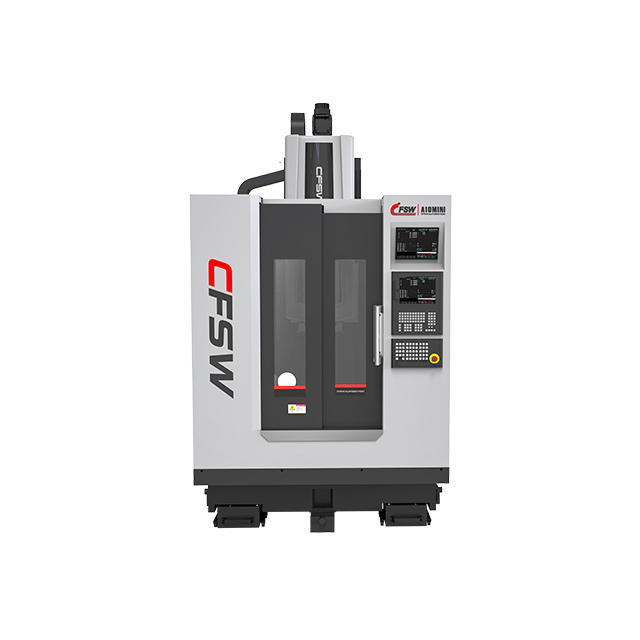
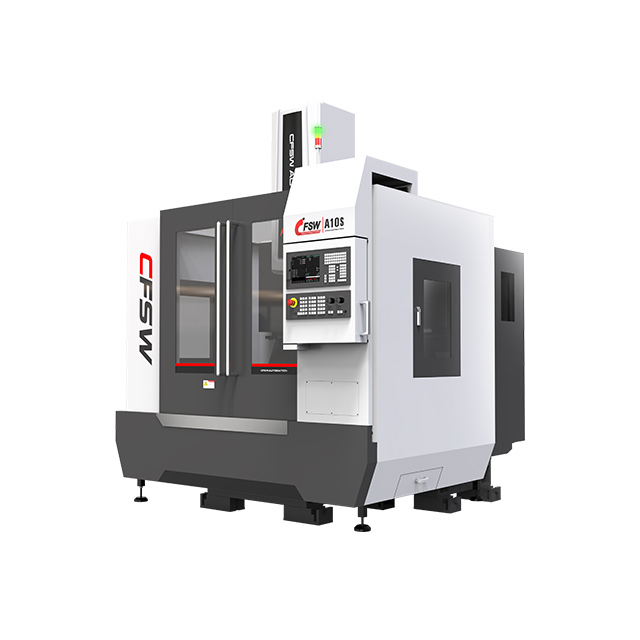
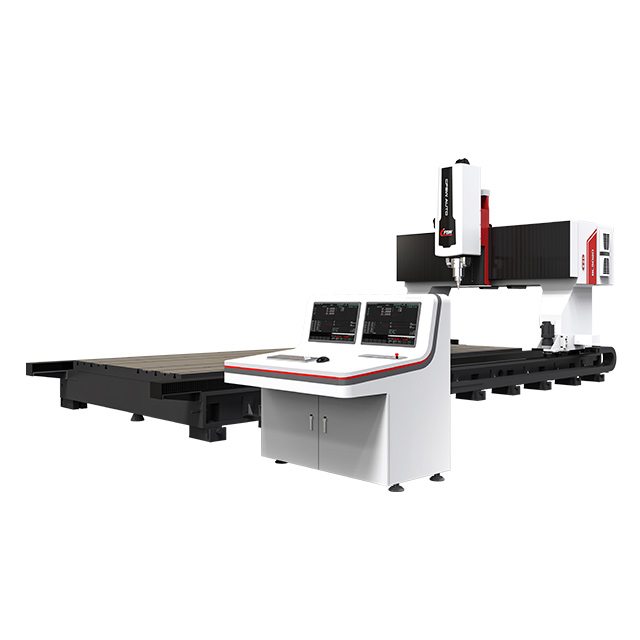
At ZHFSW, we provide friction stir welding machines for EV battery tray manufacturing, including large gantry systems designed for aluminum battery enclosures and structural components.
Our FSW-BL3020 Friction Stir Welding Machine is developed for large-format aluminum battery tray welding applications.
By selecting suitable FSW equipment and optimizing welding parameters, manufacturers can improve process consistency and reduce potential welding-related leakage risks.
However, final leak testing remains necessary to verify whether completed battery tray assemblies meet their specified sealing requirements.
Proper preparation ensures leak tests yield reliable results. Start by cleaning the battery tray thoroughly to remove dirt, oils, or residues. Any contaminants can affect test accuracy. Secure the tray firmly in the test fixture to prevent movement during testing. Check that all seals, connectors, and ports are properly installed and undamaged. Establish a controlled environment, minimizing temperature and humidity fluctuations. This reduces false positives caused by environmental changes. Finally, verify the test medium—air, vacuum, or tracer gas—is pure and at the correct pressure or vacuum level before starting.
Select the leak test method based on tray design, sensitivity needed, and production speed. Pressure decay suits general leak detection on robust trays. Vacuum decay works well for delicate parts or complex shapes. Tracer gas testing fits critical components requiring pinpoint accuracy but needs more time and equipment. Bubble emission offers quick, visual checks but less sensitivity. Consider test cost, environmental impact, and operator skill when choosing. Sometimes combining methods provides the best coverage and confidence.
Regular calibration of leak testing instruments is vital for accuracy. Follow equipment manufacturer guidelines and documented calibration procedures, using traceable reference standards where appropriate. Use certified calibration gases and reference leaks to verify equipment performance. Schedule maintenance to clean sensors, replace worn parts, and update software. Document all calibration and maintenance activities for traceability. Neglecting this can cause drift in measurements, leading to missed leaks or false alarms.
Understanding test data is crucial. Use the allowable leakage limits established by OEM specifications and validated engineering requirements, as acceptance criteria vary depending on the battery enclosure design and testing conditions. Analyze pressure curves or sensor outputs carefully. Sudden pressure drops or unexpected tracer gas signals indicate leaks. Consider environmental factors influencing results, such as temperature changes or vibrations during testing. Avoid over-interpreting minor fluctuations that may be noise. When in doubt, repeat tests or use complementary methods for confirmation.
Accurate record-keeping supports quality control and regulatory compliance. Document test conditions, methods, equipment used, calibration status, and test results. Use standardized formats for consistency and easy data retrieval. Include photos or sensor logs when applicable. Reports should clearly state pass/fail decisions and any corrective actions taken. Proper documentation helps trace issues back to root causes and supports audits.
Tip: Establish detailed test protocols and train operators thoroughly to ensure consistent, accurate leak testing and reliable battery tray quality.
For FSW-welded aluminum battery trays, recording welding parameters alongside leak test results can also support production traceability and help identify potential welding-related quality issues.
Automation has transformed EV battery tray leak testing. Robots handle repetitive tasks like positioning trays and sealing test ports, reducing human error. Automated systems perform tests faster and more consistently than manual methods. They integrate with production lines, allowing real-time leak detection during manufacturing. This boosts throughput and cuts costs. Robotics also enable complex test sequences, such as multi-point pressure decay or vacuum cycles, without operator intervention. Using automation improves repeatability and traceability, critical for quality assurance.
In EV battery tray manufacturing, automated leak testing can also be integrated with upstream friction stir welding production processes. This helps manufacturers identify sealing defects after welding and improve overall production quality control.
Advanced leak testing systems use pressure sensors, tracer gas detectors, and automated measurement technologies to improve inspection accuracy and repeatability.
For aluminum EV battery trays, these technologies can help detect leakage in welded joints, sealing interfaces, and complex enclosure structures.
When combined with automated production monitoring, inspection data can support quality analysis and manufacturing process improvements.
Data analytics plays a key role in optimizing leak tests. Automated systems collect vast amounts of data during each test cycle. Machine learning algorithms analyze trends, detect anomalies, and predict potential failures before they occur. This proactive approach helps manufacturers improve process control and reduce scrap rates. Analytics also identify correlations between leak rates and production variables like temperature or material batches. Real-time dashboards provide instant feedback, enabling quick adjustments. Over time, data-driven insights refine test parameters, balancing sensitivity and speed for maximum efficiency.
For FSW-welded battery trays, manufacturers can also compare leak test results with welding parameters such as tool rotation speed, travel speed, and axial force. Analyzing these records together can help identify process variations associated with sealing defects and support continuous welding process optimization.
Tip: Combining automated leak testing with FSW process monitoring and production traceability can help battery tray manufacturers identify welding-related defects earlier and improve manufacturing consistency.
Effective leak testing helps manufacturers verify the sealing integrity of EV battery trays and reduce the risk of moisture, dust, and other contaminants entering battery enclosures.
Reliable sealing contributes to battery system durability by protecting sensitive electrical components from environmental exposure. It also supports consistent product quality and helps manufacturers identify potential defects before final assembly.
For aluminum battery trays, welding quality is an important factor affecting enclosure integrity. Combining stable friction stir welding processes with appropriate leak testing can help manufacturers reduce manufacturing-related sealing failures and improve long-term reliability.
EV battery tray leak testing is essential for ensuring the sealing integrity and reliability of aluminum battery enclosures. Common methods such as pressure decay, vacuum decay, tracer gas, and bubble emission testing help manufacturers identify potential leakage problems.
However, sealing reliability also depends on material quality, joint design, and welding process stability. Friction stir welding (FSW) offers an effective solution for aluminum battery tray manufacturing by reducing certain welding defects and improving joint consistency.
At ZHFSW, we provide friction stir welding machines for EV battery trays and industrial aluminum applications. Contact our team to explore suitable FSW equipment for your battery tray manufacturing requirements.
A: An EV battery tray leak test checks the tray's integrity by detecting leaks that could compromise battery safety and performance.
A: It ensures battery safety, prevents contamination, extends battery life, and complies with industry standards.
A: Failures often result from material defects, manufacturing errors, design flaws, environmental stress, or aging.
Yes. Friction stir welding can reduce certain welding-related leakage risks by producing consistent aluminum joints with lower thermal distortion and fewer solidification-related defects than conventional fusion welding. However, proper welding parameters and final leak testing remain essential.
Common potential defects include tunnel defects, incomplete joint penetration, and insufficient material consolidation. These defects may create leakage paths when they extend through the welded joint. Optimizing welding parameters, tooling, and fixture support can help reduce these risks.